Transcript
Speaker: Yo, so I'm moderating a debut author panel for hippocampusmagazine.com. Hippocamp online, Saturday, August 15th, 6 p.m. Eastern Time to 8 o'clock p.m. Eastern Time. You're going to visit hippocampusmagazine.com to learn more. Today's guest will be on that panel.
Speaker: If you've got two hours to burn, join us, man. hippocampusmagazine.com. dot com Also, ACNFers, how sad. You want to get better at selling stories? Sometimes the best idea is the one you wish you had when you were just starting out. That's what Pitch Club is at welcomethepitchclub.substack.com. I was a frustrated freelancer, not knowing how to pitch, not getting any traction.
Speaker: So Pitch Club is that thing that 2010 Brendan could have used. And so I'm putting that knowledge and that network to use. Pitches ranging from agent queries, feature stories, and off-the-cuff unhinged essay pitches, book proposal, overview, annotations, and more.
Speaker: Forever free. You read a little, you listen a little, and you're going to learn a lot. Welcome to pitchclub.substack.com. One of my classmates was like, well, are you writing a book? And I was like, I don't know. Am i Could Should I? said
Speaker: OACN Everest, it's the Creative Nonfiction Podcast, a show where I speak to tellers of true tales about the true tales they tell and the art and craft of telling true stories. I'm Brendan O'Mara, the voice of a generation.
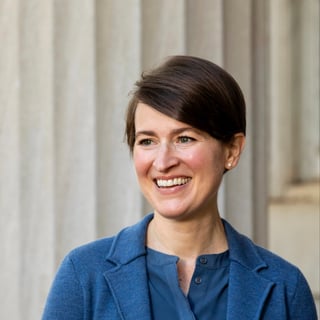
Speaker: I'm so sorry for this generation. Today we have Shonda McManus. I'm sorry. Dr. Shonda McManus, whose debut book is a memoir titled Brother Epistles. It's a memoir written in letters to her brother, Monir, who was murdered in 1992 in a drive-by shooting in Philadelphia. Monir was an Army veteran, and when he was out of the Army, he was involved in the drug trade and got caught up in a turf dispute, if you will.
Speaker: And Shonda's telling, we learn so much more about Mounir, and you feel the love and the grief nearly 25 years after his death. It's a wonderful book, and you're going to hear quite a bit about it shortly.
Speaker: Show notes to this episode and more at brendanomero.com. There you can find links to the Giant Archive. of podcast episodes, the random blog posts here and there, and your mom's love letters to me, you may also consider becoming a patron at patreon.com slash cnfpod, like Lucy Brooke, who just signed up as a $2 per month contributor. Thank you, Lucy, and congrats on your recent string of publication success. Take it all in, man.
Speaker: Take it all in. Also, you can sign up through embed forms for Pitch Club at my website, as well as the Rage Against the Algorithm newsletter, which is a werewolf. It publishes on the full moon Pacific Standard Time, and it goes up to 11.
Speaker: Make 10 louder and make 10 be the top number and make that a little louder.
Speaker: These go to 11. No, really, it's just like 11 items in there, among other things. Ah, whatever. Free ways to support the show are leaving ratings from reviews on Apple Podcasts or Spotify. Spotify is the easiest. You just tap five stars and call it good. Apple might take you a couple minutes. And I'll read that review on the air as a thank you.
Speaker: So Shonda, this was nice. This was fun. And you're really going to dig it. She's an assistant professor of family medicine at Hackensack Meridian School of Medicine. Brother Epistles, published by SplitLitPress, is her first book, and it received a starred notice from Kirkus Reviews.
Speaker: Two-time guest of the podcast, Athena Dixon, edited Shonda's book. So there's a nice tie-in there. Shonda's writing has appeared in Bellevue Literary Review... Intima? Intima?
Speaker: We'll call it Intima. Intima? Intima. A Journal of Narrative Medicine, among other places. She's got other myriad accomplishments that you can read about at ShondaMcManus.com and follow her on Instagram at ShondaMDWrites. In this episode, we talk about how she thinks about book promotion, what we owe the book, the apprehension of working with an editor, The lawn sign that changed her life. Post-it notes. Integrating grief. Finding the compassion for her younger self. How the story you tell leads you to the form.
Speaker: The guilt of getting out. Food journeys. How place informed her writing. How she shaped the book. Touching the work every day. And the power of reading aloud. Parting shot on some major but minor changes to the podcast. Not really. Not not really changes. Just an ah addendum of of sorts.
Speaker: I don't know. But it's happening. But for now, it's high time we cue up Shonda and The Riff.
Speaker: Like, how many times do you need to get hit by a fucking piano or jump off a cliff? I'd rather not hit it on the nose because I have bad aim, you know? we're We're different people now. We've changed. is This is going to have to interest somebody somewhere other than me
Speaker: Oh my gosh. you know, you write this book, you think about craft and sentences and just the right thing. And then someone picks it up. Yes. all my dreams and realize right and then you're going this side of it book promotion or getting the word out is a whole beast that no one can really tell you I mean you hear little things but like being in it it's really a lot of things to learn and a lot of work I feel like I have like a part-time job totally talking about this one
Speaker: You know, and I just kind of like recently, Jamie Attenborough has this like sub stack newsletter and she's talking about what if you reframed platform as project?
Speaker: And I was like, what if I reframe book promo as like, you know, an extension of writing itself if I can count it towards my creative output you know because I've been feeling like man you know since like the winter all the time that I usually spend writing spent on this kind of feel like I don't know kind of like I call it writer guilt Right. and Like, I'm not doing my real writing, but like, really, you're just sharing.
Speaker: You want to share with people. That's why you wrote it in the first place. Right. So this is just like another way to share. Exactly. And that's kind of helped me a bit, you know. Yeah, well, the the promotional aspect of it is what makes a lot of writers who are more or less inherently shy. And it's not that's not a universality, but for the most part, writers tend to at least appreciate their solitude and in that degree of receding into themselves. But then you have to be very public-facing. And the ones who tend to at least have a more...
Speaker: lack of better a nutritional experience with with the um with the book publishing process are the ones who embrace it and like see it as part of the the whole pie.
Speaker: you know Whereas back in the day, maybe that whole pie was like, oh, we just saw it as the writing. But there are many slices of what it means to be a writer. And it sounds like you've taken that on as like, yeah, I'm just going to embrace this part of the part of the journey, part of the process.
Speaker: You know, you think that, you know, ok the book the book is going to be out. um I'm working. i have the the privilege to work with publicist.
Speaker: So I thought I was just going to have the publicist and not do any work. Yeah. Except for like showing up. And um what I quickly learned is that you have to collaborate and you have to like explore leads and you have to vet things. And so you're still working, you know, with it's no getting out of it. And yeah.
Speaker: I just was like, wow, you know. um And also I gained an appreciation of all the books I've read over the years. And, you know, on the reader side, you have no idea what these authors have done to get this book in your hands. So i really kind of applaud anyone out there.
Speaker: who's done the book, you know, circuit and just trying to reach readers, you know, yeah um you know, because I'm not in this to make a lot of money. not i not Not at all. I just really want people to read the story. So, you know, I kind of felt like, you know, I owed it to the book to do my end of this effort part, you know, and that's kind of fueled me to keep going too. I love hearing you say that, that you you like take yourself out of it and you're like, I owe it to the book. And then there's a team of people that make books happen. yeah There are the the editors and the publicists and then there's people who package it and the cover design, all the all these little things. Right.
Speaker: use if you can uh yeah phrase it in that way where if I don't do my part I'm selling everyone else short and it's like oh okay like I can kind of get out of my own head and do what's best for the collective that brought this thing to to the world to the world yeah exactly exactly and I've had a great team of people working with me and I'm so grateful you know split lip is a great little indie press and they're very, you're very much heard in the process.
Speaker: I had a fantastic editor, Athena Dixon, and she was just great. I was so scared of that part. I was like, oh no, the editor is gonna take my book and change it, you know, or or make it something that I don't want it to be, or I'm not comfortable with. And it was not that at all. um And my cover designer too, you know, that was another thing. I didn't want to go in a store and see my book and not like the cover. Yeah. yeah You know, I'm so glad you got to work with Athena. I've had her on the show a couple of times and I've met her at hippocamps in the past when it was in person. And yeah, she's ah a brilliant writer herself and just has a great editorial eye. So it's great that she was part of the the stewardship and the steward of of your of your book. That's awesome.
Speaker: Yeah. Yeah. Like kind of like your book midwife there, you know, and, you know, she she was just really great and just helped me feel totally relaxed with the with the whole process. So I was really thankful to have her. yeah What were you most apprehensive about as you were working with an editor that that you didn't know at first but came to know eventually?
Speaker: Well, before I actually had the editor, I said, you know you know, what if the editor just doesn't get me or get my world? And, you know, is asking me to explain things or change words that I just don't feel like should be changed or i don't want to explain this thing. um And so what's that going to be like? So I was really fearful that it would be someone who was so far removed or who couldn't learn about what I was trying to say that will make we make it into something that just wasn't.
Speaker: you You worry that the editor is going to want to put too much of their thumb on the scale of the book and put their fingerprints all over it in ah in a way that's not congruent with your vision for it. But the the best ones are the ones who are like, they just want to manifest your vision as as best they can.
Speaker: and And I had been in like a writer's group like years ago and i I had a short piece and I had the word nunchucks in it. And someone was like, well, what is that?
Speaker: you You should put an explanation of what that is. And I was thinking, no You know, so i thought it was I thought it was going to be a lot of things like that, that like, you know, i would use words or phrases. And, you know, the editor was like, no, no, you're going to have to tell the reader what that is. and Yeah. your your arc ah just like coming up you you know when you come out of college you know you go to med school and you you you follow that track and ah so but what was it about you know becoming a writer in ah that when did that
Speaker: when did that come on to your radar that that was something you wanted to explore Yeah, that's really interesting because I think like most writers, I was a reader. You know, I read through my whole childhood. that you know, when I would go to the library, I would max out my library card. Couldn't wait, you know, so reading was always a place that I just went to and I just really liked it. So when I went to college, I said, well, I want to major in something fun.
Speaker: so I'm going to major in English literature. but I'm not going to do anything but that because I don't want to be poor. I am not i refuse to be poor. So I'm going to be a doctor. But that was just like a little hobby thing. um And, you know, life went on. I went through ah med school, have a family. And I never really thought that I would be a a writer, but I was still reading in the little corners of my life. So then here I go. i'm you know, in my 40s. I have five kids. I'm always running and doing something for someone. And I drove past this little lawn sign on one of my streets in my neighborhood and it said community writing group.
Speaker: And something about it just pulled me to it. I said, you know what? I'm going to take an hour for myself a week and my own life for myself. And I joined up and I was hooked, you know, and I wasn't even thinking about like, I'm going to write something for other people to read or write a book. I just wanted to write. And after one of my first classes, one of my classmates was like, well, Are you writing a book? And I was like, I don't know. Am I? Could I? Should I? yeah You know, so that's kind of how it started. And it was just came at a great point in my life. Right.
Speaker: I had gotten to a place of. just kind of safety, stability. you know I was stable, i you know i have a great husband, you know life, career, everything was set that maybe i could explore something just for myself or just because I wanted to do it. And that's the space that kind of writing became. yeah Well, i sometimes inherent in that, too, as you take that leap, is this a notion of imposter syndrome and that yeah you're not good enough to do this. Who's going to want to read my story? this All stuff that like that. and And everybody wrestles with it. So when you were confronted with that feeling, like how did you work through that?
Speaker: Oh, my gosh. I'm so glad you said that, especially with respect to memoir. Like, oh, who wants to like who are you to write a memoir, you know? And so i can tell you, I was so my first class, that little class that I joined and I had to share something that I had written.
Speaker: I was having just like nerves and like, I was so stressed and, you know, I felt extra pressure because, you know, i was the only black person in the class and they knew i was a doctor. So somehow that means something that just equals more pressure on you to be good at something like right away. Or I just felt that way.
Speaker: So, you know, my hands are shaking, my voice is shaking when I have to read this out loud. But afterwards I was like, wow, you know, i I have my kids try stuff all the time. They're always doing new new stuff. And as adults, sometimes we're so calcified, right? We don't do stuff that we're not good at.
Speaker: Right. And like here was me stepping out and it felt kind of nice yeah to to to after I got done, you know, having a fit about it before I did it. I was just like, OK, you know, this is this feels good to explore, to kind of learn to not be the best.
Speaker: You know, and, you know, I don't know, it's just getting into medical school, doing that, you tend to be competitive. You're like, you're always competing. And so that just becomes the way you operate. But what if you're in a space and you don't necessarily have to be the best where you can have your own thing and not immediately be comparing yourself to everybody else in the room? Yeah. Right. Yeah, we put such pressure on ourselves, especially as adults, to be good at something that we've never done before, like right away. Can you imagine picking up a guitar and being able to play whatever song you want within couple hours? You'd be like, no, that's nonsense. It's going to take you months and months and months, if not a, let's just say months and months and months, just to get some degree of proficiency. And yet a lot of people who haven't written and put in those reps,
Speaker: They similarly feel like they should be writing you know the the work that has inspired them the most like right off the bat. it's like No, similarly, you've got to build the skill and you've got to be bad for a while before you get competent, before you can get good.
Speaker: Yeah, bad and kind of public, yeah you know, in ah and a group of people, you know. And so, yeah, that that is absolutely the case. You know, you're not automatically going to be good. And also another thing, I think if you're an older writer, right, if you're coming to to writing later in life, you know, even that, like the idea that, you know,
Speaker: It's kind of too late for you to do all that. Or, you know, way back in in college, you you should have just kept on with English. You know, like you so you feel that kind of, you know, age pressure that you should have already done it or acquired this skill at this point in your life. Yeah. Well, and then if you get a ah little bit of ah success and some traction coming to it later, and like but speaking about that competition thing that you were talking about with with med school, like that competition element is very real with writers too. And so you might be coming into this late and you've got you know this wonderful book, and then there are other people who have been writing for 25 years or 30 years who are frustrated sometimes and resentful and bitter. So there's that other level of competition that you're running into, I imagine, at this point too, just... um
Speaker: You try to metabolize it in best way you can, but at sometimes it's like those little jealousy hackles and little like looking over your shoulder. And that that is very real in the writer's world, too. Yeah, yeah. It's just really interesting. I guess, you know, people are people, but, you know.
Speaker: like, well, I could do that if I had so-and-so and such like you do. I'm like, really? you know Well, do it. I know. Well, yeah, you like you took you know you took the agency of you know that hour a week. you know like I'm going to sort of quarantine myself for this one hour to to do this thing. And nice to hear you say that because a lot of people often feel like I need eight hours a day for weeks on end. It's like, oh, You know, you can set a timer for like 10 or 20 minutes and just pick at something for a bit and yeah you'll build that muscle up over time. And then if that's all the time you have, don't embrace it. Don't be a ashamed that you only have 20 minutes a week. You know, we all have very busy lives, but carve out that time and you can make something of it.
Speaker: Yeah, it works. It's just like, just be honest about how you're spending your time too, right? You know, like, oh, I can't, I don't have enough time, but you're up on all the Netflix shows or, you know, you find time to do what you want to do. And it doesn't have to be this big, deep, long thing. You know, a lot of people are busy. They have kids, they have families, they have jobs, they're just doing all the things. So do you have five minutes?
Speaker: How about five minutes? Or, you know, my favorite is writing little things on post-it notes. Yeah. You know, how long does it take to fill up like one post-it note? i won't Not that long. Right. Absolutely. And those little things will add up and you put them somewhere visible. And then it it does inspire you It's little breadcrumbs of where like where you want to be. And I can't get there as maybe as fast as I want to. But, you know, here's a little breadcrumb. at laid This will help hopefully like as a little brick. Eventually this will build a house.
Speaker: Yeah, I think a lot of that is also fear, right? You know, fear, fear that my stuff won't be good or fear that, you know, my dream won't be realized. No one will want to publish my essay or book and and then I'll feel embarrassed. Yeah. You know, even if you don't admit that and on a conscious level, that's kind of what it's about, too. Right. Sure. And I was ah picking around um your substack a little bit, and ah and ah a sentence that really jumped out to me was, you know, writing's been a powerful way for me to integrate my grief.
Speaker: I underlined integrate because I often hear, when I talk to people who write memoirs and a lot of like grief memoirs, ah ah it's often like processing it or metabolizing it. But this idea of you like integrating it, I wanted you to run with that a little because I've never heard it phrased that way. And that's such ah an interesting phrasing of how you, yeah, integrate grief versus, you know, maybe, you know coordinating it off or just trying to digest it and break it down.
Speaker: Yeah, it's like, you know, something about grief, like, you know, there is this idea that, you know, it's something to get over or something to put behind you. um But that's just not true.
Speaker: Grief is never over. It's all, if' yeah I don't care if it's been a few months or a few decades. Grief is like this active thing that's going on, right? So you can put that active thing away from you. You can bury it like I did for years, or you can let it be a part of yourself on the surface, right? On a conscious level.
Speaker: And I feel like through writing, I've been able to hold the grief alongside of my rest of my life, where before I couldn't.
Speaker: Like it was it was there, but it was this separate thing that it was like weighing me down and thing that I was dragging along or festering yeah underneath the surface. And now that I brought it up.
Speaker: Looked at it, dealt with it, felt it. Now I can hold it along with everything else, you know? And I think that that's important for people to realize that that's possible, you know, and they don't feel like something is wrong with them because it's been a certain amount of time and they're feel like this, this, this grief pain is alive and active, yeah but they, they, you know, that, yeah, it's still going to hurt.
Speaker: It's still going to be sad, but now if you bring it up, you can hold it with everything else your life is. you know For sure. Yeah. one One of the things that you know struck me early on in your book, too, is, you know, of course, your brother, Monir, you know, he's he dies in a drive by shooting in 1992. And you think like that's like, of course, that's where you're addressing all the who you're addressing all these letters to. But ah you've been swimming in grief since you were a child with, you know, the death of your grandmother and the death of your mother. And when you wrote the or plan the funeral for your brother, you know, you were you basically had the script down already by the time you were whatever, what whatever it would have been like 20, 20 years old, 22 at the time. So you get a sense of, um yeah, the the grief that you were steeped in from a very young age and then, yeah, carrying that and then being able to convey it so wonderfully on the page.
Speaker: Yeah, but it took it took so long to to kind of get to a space where I could even like turn towards it and look. And, you know, you fool yourself. yeah You know, I'm OK.
Speaker: I'm all right. that's That's a long time ago. But it's there. Even if you're not conscious, you know, it comes up. You're sad. You just feel removed from everyone sometimes. Or, you know, it's just you're not all away yourself.
Speaker: and And you can't quite put your finger on it. But part of that is you haven't really claimed that grief, right? That part of your story, you're trying to avoid that those places. But that's part of you, right? yeah And I think if you don't do that, you're just not like, you remember those old army commercials, be all you can be. Yeah. Well, if you don't take all the grief in, you're not all that you can be. You know, how long did it take you to even start the process of integrating the grief?
Speaker: A long time, like decades, you know, like I said before, you know, before I had gotten to a place where I felt like psychologically, economically, just a safe place.
Speaker: I dare not like I was afraid that, oh my gosh, if i if I go there or really sit in that, what might happen? i might just like, like go crazy or like, I don't know. it it was too scary to even, but you know, being at this spot in my life where i felt like, okay, I have some, have some, you know,
Speaker: safety, safety ah bumpers in space, you know, I'm not just going to fall into this abyss and never come back. yeah And I think that that was really important for me to be even able to consider going in and and looking at like the past, you know.
Speaker: time is very integral to writing memoir well, having that distance. So, you know, how important was it for you to get that distance of, you know, in the case of your brother's death, you know, almost 25 years to you know, to the day roughly, um, you know, how important was it to have that distance so you could reflect and have that perspective for, for your book?
Speaker: I think it was really key, right? Because, you know, before a certain amount of time, you you can't even really see it. It just feels like this amorphous ball of feelings, right? And you can't even unravel them because you don't know what it is, you know? So I think that for me, time helped with that.
Speaker: to be able to follow this thread and that thread. And also being able to write about it. i can see myself. Wow, you were 22 years old.
Speaker: Or wow, you were 14 when your mom died. And for four years before that, you were like the main helper in the house. and kind of feel a little bit of compassion for yourself and who you were and be able to kind of tell the truth about those experiences to yourself finally from this this time distance. yeah And I think that that's what time has given me, like compassion and perspective on exactly what that situation
Speaker: is like or would have been like for that person in the book, yeah which is me. But, you know. yeah And I love that you the book is structured as a series of letters to your brother. And so how did you land it on that?
Speaker: Okay, that is a story. So, you know, like I said, I was in that small little writing class for like two years. I just was writing. I didn't write anything over like 1500 words, you know, little bits of essays. I was always writing about growing up my childhood. I was just always drawn in that material.
Speaker: So January 2020, I joined a novel incubator because I said, I want to try to write more long form, but I need to learn how to write. So I'm going to do fiction first. right so whatever. I joined this course and I'm in a group with like 12 other people. we are meeting online and kind of working on structure. And then bam, the pandemic hits in March, 2020.
Speaker: And I'm working as a doc, right? Out here on the community, hinterlands, we don't have, we have even less, you know, we don't have supplies. We don't know what's going on. And I kind of had this like,
Speaker: feeling, really feeling my my possible death or mortality. And I said, you know what? I've got to write the stories that I really want to write just just for myself.
Speaker: I just feel like that's something I want to do. So I just started really writing kind of coming of age, my childhood stuff until I was 14 when my mom passed.
Speaker: And immediately when I finished that draft, I was like consumed by the desire. i just wanted to talk to my brother about everything I had written. and so I just started writing him a letter where that idea came from. i don't know.
Speaker: But like it was like the dam broke. Right. Once I wrote that first letter, all the other letters came and I wasn't even writing a book. So they're super like honest and intimate. and But that was kind I think, because I wasn't writing a book. yeah you know I was just writing all this stuff I had to say, kind of about everything. you know And a friend of mine was just like, oh, what have you been doing? have you been writing on? I was like, ah just, I was writing these letters. And she was just like, when she found out how many I had, she said, i that sounds like a book to me.
Speaker: And then I was like, hmm, I don't know, maybe. yeah So that's kind of how I got there, you know, with that format. It's such a great technique um because it's so it's like a real sneaky, cool technique in it in a way because it takes some of the pressure off. You're you're not writing a book. You're just like writing a letter to your brother. And then they start to add up. But also in talking to your brother, you're telling your story, which is like this weird, like end around Jedi mind tricky kind of thing. that we're actually getting your story ah by being a fly on the wall to a conversation, a one-way conversation you're having with your brother. It's really just a magnificent technique that you put on display.
Speaker: Yeah. And the form, what I really like about it is for me, it was really easy to drop into like a ah voice in the book. Right. Because I just kind of imagine I'm just talking to him.
Speaker: We're sitting in the car where, you know, it's just us. Yeah. And so that that that. letter form can kind of give you that because you're just addressing it directly to the certain person.
Speaker: And, you know, people in our lives, we talk to a certain way, yeah depending on who they are. So for me, that's what the letter did form did for me. It just let me be consistent and voice and vibe and, and all the things. Yeah, it's ah it takes the pressure off of trying to sound like writerly and like ah you know very that kind of ah artistic MFA kind of voice. Instead, yeah you know it's like if you phrase your voice like how you would write an email or in this case like a letter to your brother, and all of a sudden it's like you're your kind of your true self, the OV as you write in the book, the original voice. it pours out and it just feels of you instead of trying to sound like someone else.
Speaker: Yep, yep. I found that very spot on. yeah So i was glad. And also I think, I don't know if you find this as a writer, i think sometimes the story you tell kind of can lead you to the form like you know i don't know if I could have told this story in any other kind of form not really now when I'm looking at it yeah you know well in a way it kind of it it stems from even the the letters that he was writing you from basic training and and as an aside what beautiful penmanship your brother had oh Oh my God. Like I saw those in the appendix. I'm like, this curse of this like beautiful penmanship. I was just, it's just like, I'm just used to like chicken scratch and all that. And i read, I was just reading his letters to you and it's just like, it's gorgeous script. Yes. Catholic school, Philadelphia. Yes.
Speaker: you know, that was, that was a big, a big part of, uh, you know, the subject was penmanship. Oh my gosh. Yeah, totally gorgeous. But in a sense, cause he was writing those letters to you from, you know, from, from basic and a very sort of vulnerable and scary time to be in the armed forces around like desert storm, um, early nineties. Um, you get a sense that like the seeds were planted of this is how you could communicate. And it's certainly in in book form too. Like this is an extension of that communique you had back then. Yep.
Speaker: Yep. I definitely felt that, you know, and he could be real with me on the page. Like he says all this stuff. And so I felt like, you know, I had that freedom to, you know, totally. And I, you know, there's a ah moment in the book too. Well, you wrote like, yeah, I feel guilty, but then I rationalized that you would want me to enjoy what you couldn't write. Like, yeah, I know. But something just feels like I shouldn't be happy. Not all the way. And it just speaks to that that ah element of yeah that survivor of guilt that you know you having getting a chance to enjoy a life when his was cut so short. it's just to How did you navigate yeah that degree of guilt over the intervening decades?
Speaker: Yeah, I think one thing about it is like being honest about how you feel. You know, like honestly, I do feel kind of bad, you know, and and that's legitimate. You know, it's just you can't explain it away. You can't rationalize it another way, your brother who, you know, you always had to take care of, he died.
Speaker: And you're going to feel guilty about that because you were the one who who was tasked with take care of your brother. My mom was like, you guys always stay together. So just really being able to accept the truth of that.
Speaker: you know, that I can claim that feeling of feeling bad. yeah You know, and this is outside of people explaining it away. Well, you really shouldn't feel guilty because that' to day like,
Speaker: Who are you to say how I should feel? or or and And also just like, I'm sure there are people listening who have felt guilty over the loss of someone.
Speaker: And that's a legit feeling. yeah And being able to articulate it and claim the feeling, I think goes a long way. to you feeling better about that bad feeling. yeah You know, if that makes sense at all. Yeah. Well, and there's also the another level of guilt that you experience as well was, you know, leaving the neighborhood you grew up to be like upperward but an upwardly mobile professional. So just you write about that.
Speaker: Well, like very well as well, because, yeah, there's this. Yeah. Like the sense that, you know, you're getting out and, you know, yeah, there's guilt inherent to that as well.
Speaker: Yeah, definitely. You know, you feel like a certain amount of pressure, you know, when you're young and growing up, of course, you know, hey, you're going to make it or if you make it, but you don't realize when you make it, that there may be a cost, like you may gain some things and lose others. Right. You know, I'm still from North Philadelphia. I'm always going to be that North Philly girl. But when I go to North Philly, I'm thinking of stuff like where am going to park my car? Yeah. You know, can I see it from where I am? Or, you know, like, what is that? Or, know, still have family members there, right? They still live in that same neighborhood. You know, honestly, when I first get there, I'm like, oh, this is cool. It's nice to be hanging out. But then after a while, like, I'm ready to go home. And when I come back to my house and I drive my driveway, I'm like, ah, you know, and you feel a little bad in some kind of way, you know? And there's also a pressure to be like, oh,
Speaker: oh, you're different or now you're too good for that dot, dot. And you're like, well, wasn't that was what I was supposed to do? you know And like it's it's a weird kind of mixture of expectations that were put on you and then you fulfill those expectations and then there's different expectations now yeah or or things you're falling short of now because you've moved to a different space.
Speaker: like, you know, economically and actually socially. Yeah. You know? Oh, for sure. And then, you know, you're also wrestling with like, as you like move to more of the ah suburbs and and like in a more upper middle class neighborhood that their expectation when people le look at you, I remember there's one moment you write in the book of ah when you come to the door, like contractor like opens the door and he's like, can I speak to the homeowner? You're like, I'm the homeowner. yeah And it's like, you know, that's another thing that like, you know, you're wrestling with. It's almost like you don't feel like you belong in in either place.
Speaker: That's and exactly like I feel like I'm in between, you know, so the place I come from, you know, I may look like most of the people there, but like, now I'm different. in a way. And then I'm here and I'm on the outside different and people lay all these expectations. And so I'm kind of in between because here it's comfortable, you know, great, and nice neighborhood, good schools, but I don't totally fit, right? Not to say i don't have great neighbors and friends, not that, but I don't totally fit. You know, I see people do a double take.
Speaker: You know, if i if I walk out to my mailbox and a car drives by, they turn all the way around and look at me. Like I'm going into a mailbox that's not mine. so So yeah, there is this kind of in-betweenness um where I'm,
Speaker: in a whole new land that's not the old land and you know, it's not this present land either. I love, there's a particular you know moment in the book too, where, you know, Thanksgiving comes around. I love this idea that every Thanksgiving you, you know, bake your brother, this pound cake was sour cream and, and every, you know, and you know, his, his son too, you're like, he's like, Oh, you think he's like, maybe thinks you're making it for him, but you're like, no, you're really making it for, for your brother. And I just, yeah Maybe ah in what way has um has food ah mattered you know to you as just ah another means of connection to your brother?
Speaker: Yeah, definitely. Because we we ate, we grew up, my grandmom was from Georgia, Southwest Georgia. You know, my mom was born down there and that's the food that we ate.
Speaker: We ate that country Southern food, you know? And so whenever I think about growing up, You know, I'm thinking about those meals, you know, even when my mom when I was first born, my mom still lived with my grandmother. And when we moved away, we moved like 10, 15, 20 minutes max.
Speaker: But we would go to her house to eat like three or four times a week because she would be cooking. You know, my mom made little things, but the real food was at grandma's house. So when I, you know, i get out here, I move away, I'm away, my mom, grandmama is gone.
Speaker: i don't have access to that food. Yeah. And so, so her, that food, that Southern classic soul food was the food that, you know, is the food of my childhood and the food of memory. So when I, you know, move away, move through my life, I become disconnected from that food.
Speaker: I can't get it anywhere. Right. There's no even when I go to a, quote unquote, soul food restaurant, it's not my grandmom's food. It just doesn't taste like it. Right. So I kind of had to go on like a food journey when I wanted those foods for holidays or remembrances. And I kind of had to teach myself how to.
Speaker: cook through memory, you know, through taste. And also, I mean, the internet is a great place. So I use the internet to get like, like classic greens. I got like a recipe, right. But then I kept playing with it and playing with it until it tastes like the greens I'm talking about. Right.
Speaker: So I have this printout and it has all these notes on it, but I know exactly how to make it now. And so I think, um, that's just the power of that sensory experience of eating, right. You know, I can just eat something like, you know, my grandma would make fish and grits and I'm right back in her kitchen, you know, sitting across from my brother, picking through it, you know, like we knew how to avoid the bones. So, yeah, I think I think for me, food can put me right back in that place, almost in a physical sense.
Speaker: You know, I'm I'm back there. i'm I just, I wrote down place in my notebook and I hear you say place like, so you're you're, you're speaking to a very sensory culinary place and then, you know, North Philly is a place and med school is a place and and all, all these locations in place. So how how does place inform your writing?
Speaker: That's interesting because when I, you know, whenever I think about like when I write a memoir, I wanted it to be, first and foremost, a very Philly book.
Speaker: You know, like that's where I felt. I feel like I'm from Philly. Of course, I had that Georgia roots. But so that was important to... to give voice to that place, to let people see that place.
Speaker: And also not only Philadelphia, North Philadelphia, but the time, the time that I'm writing and what kind of place it was, you know, because that's very much about what the story is about, right? You know, there's all these structural things that kind of funneled my brother towards homicide. And I think if you get a sense of the place and the time, you can see it.
Speaker: And i I think that that was really important for me. For sure. And I love the little... Little things of you like telling your brother what he missed, like the Eagles winning the Super Bowl, um you know but Black Panther coming out, um or Spider-Man into the Spider-Verse with like a black Spider-Man. And I love hearing you say like just like these little touchstones of...
Speaker: like I don't know. I don't know. Progress seems like the wrong word, but there is a certain measure of representation that was lacking, say, in the early 90s that are maybe creeping into the culture and more than it was 25 or 30 years ago. So just like as you're writing those things into the book, you know, how do you think he would react to to having seen those if you were alive to see him?
Speaker: Yeah, it's like, man, unbelievable, you know, and that's something we would just kick it about. Yeah, remember when we were kids, we never even saw it. Look at this now, man. You know, like we would just have like an interchange in and around that, you know, because we came from a time where that wasn't the case, you know, and, you know, of course, there's progress to still be made. But for us growing up in like the late 70s, early 80s, that just wasn't out there. That just wasn't part of the cultural conversation. And that's another thing, like in writing to my brother, it's not just one narrow story, right? it
Speaker: I felt like I had to enlarge to show the culture and the world and the kind of things we care about and the things we talk about, right? um To really give kind of a sense of who he was, but also who I am. You know, i come from all of that.
Speaker: You know, from that time, from that place, from that history. And I felt like, you know, that's why I included all these other things, because it's part of the story.
Speaker: You know, you can't understand this one, i guess, central part without seeing all the rest. and in these letters and you're communicating, like, you you know, you're just echoing it, like you're the expansiveness of it. And this is the, the person and the woman and then the mother I've become, as you know, since, since you passed, like, this is the life that you've sadly missed. And I'm just, I'm here to tell you, you know, like, I, I'm like, I'm okay. I like, I did. it I think you'd be really proud of me. I like, I get really get a sense of like, you so desperately want him to know, you know, the arc of your life to date.
Speaker: Mm-hmm. Yeah, to be able to see it. Look, look at this, you know, to be able to share it. Right. You know, because it's interesting because, you know, growing up, I don't remember being a kid without my brother. Like, you know, we were 18 months apart. So he's like a part of myself. Right. And if he doesn't know all this stuff about me, do I really know it about me? Yeah.
Speaker: And so the book kind of did that in a way. And as you're you know writing all these letters and kind of essentially collecting them and so forth, how did you start to think of structuring them so it, you know, it felt cohesive and in book form?
Speaker: Yeah, that's a great question because that was a struggle, right? You know, i had this big collection of things and they're about all these different things. So the first thing I started to think about was what is the shape of this book?
Speaker: And for me, the shape of the book is a spiral. And the central point is my brother's murder. So everything is gonna spiral through that point. And that really kind of released me from the narrative art, the hero's journey, you know, no no, no, no, we're talking about a whole separate shape. So that was the first thing. And then, you know, really, you know, the last letter has to be the last letter, right? And, you know, kind of the beginning, but in between I could move those letters
Speaker: any Any kind of way. Right. So how so when I started to think about, OK, if I'm going to structure this, how do i how do I put it? I started to think about the weight of each letter, like the material in each letter and what does that weigh?
Speaker: And you know we have something super heavy. Now can we move it up to a little lighter and then like dips, you know like when you're listening to a song, right? It goes up and it's not like flat or all this. So that kind of helped me like a lot. you know Also, another thing that I used, even though I don't believe in five stages of grief, right?
Speaker: That's not the whole story. That's just like you get to the end and it's done. No, no, no, no. It's not. But that helped a little bit, like, you know, putting like, you know, denial or I can't believe this.
Speaker: putting in anger, putting in depression. And, you know, if you could think of the end as and acceptance or you know, being able to to hold it, that would be the end. So that also helped me kind of figure out what is going to go where.
Speaker: Yeah. And when you're, ah you know, sitting down to write, ah what was the kind of maybe the the routine or rituals around the writing ah of this book for you?
Speaker: OK, so, you know, this was when I first really was drafting this. We're in twenty twenty one. Right. So the world is still kind of open is not, you know. So at the time, I still have like three, you know, three kids at home in the house. Right.
Speaker: you know I just had to get up early in the morning you know and like you know be at my computer by like 5 a.m. before people woke up. I don't have an office. you know I'm in the family room.
Speaker: And i just had to... touch the work every day. So maybe that was 30 minutes before people started to get up. Maybe it was 10 minutes, maybe something happens and I can only think about the book in the shower. But I felt like as I was drafting, it was really important for me to touch it every day because I could hold it, you know, like I just, and I kind of stuck to it. And then, you know, sometimes if I'm writing past and people wake up, I just let my family, they got the message.
Speaker: Hey, mom, or hon, listen. And I just would act like I didn't hear them for like a minute. And then I would be like, oh, huh? And then... Eventually they left me alone, but that was that was important for me really. And it's about claiming space for yourself and your own life. And I kind of had to do it. you know Now those people love me more than anybody in the world, but you know they're used to you being available and doing all the things. And I think, hey, okay, well, she's serious. She's actually not gonna attend to me until she does this thing, unless I'm having like a real true emergency.
Speaker: And that was really important for me to kind of stake a claim to that and then be consistent. Like, you know, like I said, for me, when I'm drafting something, I need to touch it every day a little bit, you know?
Speaker: Yeah, I like that, that sense of, yeah as you say, like touching that every day, because, you know, you're just, you're in it, you don't let it get too far away from you. Even if you just do it for five minutes, one day, or maybe one day, you've got 45 minutes or an hour, but it doesn't matter so long as you're, you you're, you're, you're staying familiar with it, and not letting it get away from you.
Speaker: Exactly. And that might not always look like brand new work, right? Or heavy revisions, I might just read over something I've already written. or record myself reading it, like something like that. Like, so touch can have a lot of different like meanings, but like, I felt like that contact in some form was really important for me.
Speaker: Yeah. And I love hearing you talk about just you know creating that space for yourself as well. I think a lot of you know women, and especially like working professional women who have ah and mothers who have they're just pulled in a thousand different directions and like have that let maybe a burning desire to like tell that story, write that thing, just don't know how to do it and how to it can feel very, um very selfish or self-serving. what Like to, you know, to make that time for yourself. And I think it's nice to, you know, for for people who are who might be struggling with that, like, ah how can they kind of claim that space for themselves, you know amidst a very hectic life?
Speaker: Yeah, I think the one thing is no one's going to give it to you. You have you you kind of have to actively take it. yeah And it can look small. like ah you know when And especially those that have really little kids, you know you can't even go to the bathroom without them. Well, go in the bathroom and stay in there for five more minutes when they're out the door. like Find those corners, those spaces of your life that you can claim that And claim it. Maybe, you know, you're driving someone to soccer practice and you have to sit there for 45 minutes, sit there in your car with your little sticky notes and write what you know, like, so I think you have to be creative about finding those spaces. And everybody has a different life. Right. But their space.
Speaker: If you have a thought that you want to make a right there space for you to take, and maybe you do have to get up an hour early and you're already tired or stay up 30 minutes later and you're already tired. But like how important is what you have to say?
Speaker: And that's also another thing. You have to kind of believe that you have something worthwhile to say. And that doesn't come from outside. it comes from inside.
Speaker: Now, other people later can validate you or whatever. But first, you have to believe what you have to say is worth saying. You know, and I think that confidence is why a lot of people say, oh, I don't have time or I have this because they don't have the confidence that coupled with the fear, you know, like we said earlier, kind of not being good.
Speaker: I hope people who are maybe coming to writing maybe a little later in life hear that too, because later in life, it's like, that's when you actually do have something to say in perspective and life has kicked the shit out of you a bit. And then you have perspective. um Some people come to memoir and personal stories a little too young and but by all means, like like, I don't want to put a governor on anyone's writing engine. Uh,
Speaker: write what you want to write when you want to write it. But i I'd like to see more middle-aged people who haven't done it that much. But yeah, they've accumulated quite a bit of life experience in perspective that is going to be far more interesting. Trust me, on the page.
Speaker: And rich. And you know like especially for me, writing the story, you know coming from North Philadelphia, from a time and place in Black culture and history, It's a part of the archive, right? You know, the archive that maybe is has been erased or not accounted for, you know, and a lot of people have archival-like experience that can add to like our cultural conversation and like, wow, I never even knew that, right? So I do think um older writers come with a wealth of
Speaker: of experiences and places that just aren't there anymore. That just, just that doesn't happen, you know? And so I think, um, I would encourage anyone if you're thinking about it, step out, try.
Speaker: And, uh, I always like getting a sense of, um, you a piece of writing advice that you maybe you heard from maybe your writer's group or a mentor or just something hard earned from the writing you've done of late that you would like to you know share with the listeners. Yeah.
Speaker: Yeah, I think, you know, I'm going to give you two things. The first one is, I'm sure people have heard that, but reading aloud really helps. I mean, it reacting like, oh, I don't feel like doing that. Do it.
Speaker: it It just does something beyond just reading the thing over and over. When you say it out loud, the voice, the extra words, the the not needing that adjective, whatever it is, i think you can hear it, you know? um and then You write alone in isolation, but you need a community.
Speaker: Now your community can be two people. It could be 10 people. It could be 30 people, but you need to find the community because you write by yourself, but you develop your work.
Speaker: And you get it out there in community with other people. And that's really, really, I think, like underreported that you you need other people, you know, if just to encourage you to keep doing the thing.
Speaker: Absolutely. You know. Yeah. And hearing you say like reading aloud is so important and even a step further than that, that can give you another just, ah you know, wave of, um I don't know, just ah exposure is like ah recording it as a voice memo and then listening it to it back on a walk and then hearing hearing it and like not coming out of your mouth, but like hearing it in your head. It's like, oh, okay. Yeah. I can see the this word phrasing or this order, the syntax is all off. It just doesn't sound right. It's not landing on the ear correctly. And yeah, that's just like another way. It's so important. I'm so glad you brought that up.
Speaker: Yeah, definitely. And ah well, Shonda, one of the last things I love asking as I bring these conversations down for a landing is just asking the guests for a fun recommendation for the listeners out there. and It's just like anything you're happy about ah's okay that that you want to share with them out there. Yeah.
Speaker: I don't know if it's because I'm in promo mode or whatever, but I've been like, when I just want to turn off, I've been watching those shows alone. You know, you get dropped off on this thing. You got to outlast everybody else. yeah And something about that, I think that, you know, like these people are all capable of staying out there, but like, why do they leave? You know? And a lot of it is like,
Speaker: They just are tired of being alone and not in community or they psych themselves out like the self-talk. And I think that's, you know, just like a metaphor for everything you can do as a writer. Right. You you you are equipped. You can some you can stay out there. You can make it. But if you do or don't, it's a lot of what goes on your head. So. I've just been vegging out to those. now'm I'm watching the season that's shot in Australia. So I'm loving the accents too. That's great. that's great I love that you underscore the the self-talk too, because ah when we're away from community and alone, writing and everything, there are that doubt definitely creeps in that we're not ah capable or skilled enough, that our story doesn't matter. It's not important. who's going to care about this? So when you ah wrestled with some of that, that self-talk and that doubt that creeped in, like, how did you, how did you wrestle with it?
Speaker: Well, I think that I just, you know, one, I was like, well, first, I just want to get it out. If it's bad, it's just bad, right? But that first thing I drafted, um I was in that little incubator and and you get into a reading round, right? You had two other people read what you wrote and like we established rules and really the first go Your readers can only tell you what's working.
Speaker: Not if it's good or bad, but just what's working. And that really, not that this is like the end of drafting, but just your initial reader response to your raw material, you got something positive to take out of it. you know And not just making up a bunch of you know things that weren't true, but actually, hey, when you wait made this scene in the barbershop, I really responded to that. And I think that that gives you fuel to keep going. Okay. Like I have a lot of work to do, but I did do something that has potential.
Speaker: And so that's kind of what I think was really important to me, having those trusted readers and a trusted space that I can share the initial messy mess with, you know, and be able to pull out, Oh, that was a thing that was working. So let me keep that for the next draft and revision.
Speaker: Oh, amazing. Well, Sean, it's so great to get to talk to you and talk ah talk shop and talk about your wonderful book, Brother Epistles. it's ah Yeah, it's ah it's a fast read. And the appendix, I would i would tell anyone to don't stop there. Read Moneer's letters at the end. just ah If nothing else, to look at his penmanship. But but read it. You hear his voice, too. So he comes alive in a way that's really... um really energetic and and you ah you honor him so so well. And um so just, ah yeah, thank you for writing the book and for coming on the show to talk shop. Yeah, yeah thanks for having me. It was really cool to just talk and, you know, get you read the book. I appreciate it.
Speaker: Awesome. Thanks to Shonda for coming on the show. Relatively short notice as well, mind you. I really wanted to feature one of the writers from this debut author panel for Hippocamp Online before the event. I suspect I'll feature Gar and Courtney and Amanda at some point, but I wanted to get Shonda in. again That event, again, is 6 to 8 p.m. Eastern on Saturday, August 15th. Visit hippocampusmagazine.com.
Speaker: to attend. It's free. There's a sliding scale donation if you want to help support the magazine. I don't get any kickbacks. I don't get paid if you want to donate and attend this thing by all means.
Speaker: Also, follow the show on Instagram at Creative Nonfiction Podcast and sub up wherever you listen to them. The podcast doesn't necessarily make any money. Not really. But if I can prove the platform is mighty, I can trick publishers into paying me.
Speaker: Deal? Okay.
Speaker: Some of you may or may not have noticed that I've been doing more videos. You know one, I just find them fun. They harken back to my days in high school when a group of friends and I would make comedic detective movies. And so making videos is a way to get back to that sense of play that I had back in the nineteen ninety s when I was in high school.
Speaker: And two, Zencaster, my podcast host, has rolled out a new suite of services and a new design that are piloted by some AI that create really nice bite-sized video clips from the podcast all on its own.
Speaker: And I'm like, damn. I know I've long said I'm going to die on the hill of audio, but let's be real. Catching video clips on Instagram or Substack or YouTube is kind of engaging.
Speaker: And it's engaging for a reason, right? For some reason, just seeing seeing the act, seeing ah people moving and speaking, it does something. It feels more alive.
Speaker: feels more alive I started posting some of the short clips from Conversation where I actually recorded the video. I haven't historically done that. um I'm going to be recording video from now on going forward, so get ready, guests. But it'll be more for those clips. i don't I don't really see myself doing like entire video podcasts, but I'm not going to rule that out either. don't know.
Speaker: We'll see. But if those clips get more attention and more attention drives podcast subscribers, then have to be okay with that. and Taking myself out of the equation, ah if it helps get the show more attention, that helps my guests. That helps them get their books more attention or their stories more attention.
Speaker: And if they sell more books, that makes the show more attractive to big game, as I like to call some of the authors out there, George. I don't want to be left behind, you know, left in the dust because I ignored something so vital. You know, I didn't jump into video right away when everyone was clamoring this pivot to video, but I can tell it's here to stay. And if it's done well and done right and done with intentionality,
Speaker: I can see some real value to it. you know And I'm ah i'm not going to say that entire episodes won't be video eventually. you know That, for the moment, will still be highly edited audio.
Speaker: But the video clips are there to give you a little punch, a little taste, drive attention to the audio product. yeah I have to look into what editing a full video podcast looks like. It's already a bear to edit the audio. i Video just gives me heartburn.
Speaker: and And I don't know if Zencaster is going to make me pay for more of this. i don't know if they just rolled this out to everybody out like this or if I eventually have to pay. I don't know. I was an early adopter of their hosting, podcast hosting, a few years ago.
Speaker: I was invited to leave my previous host, host which was Libsyn, that I was paying $25 a month for, and to come over to Zencaster, which offered their hosting for free. I was already using them for their calls, and I love them for their calls. I think the audio quality is better than Riverside, even though Riverside is a little more popular. I think what Zencaster is doing is trying to be a little more like Riverside, you know with the video components and stuff like that.
Speaker: And if they get into that space and they're they maintain that audio quality, cool. I'm game. And as long as they can keep doing this for free, then why not have its AI find cool clips for me to repurpose for Instagram and YouTube to get more eyeballs to the show?
Speaker: Shonda and I talked about what we owe our books in terms of promotion. Like many writers loathe promoting. They think they're above it or they don't want to do it. They think they just got to, I, my job is to write the book. I don't need to promote it, which is bullshit and malpractice to offer that kind of counsel.
Speaker: Yes, you need to hammer the promotion scene. um I hate when that's the only thing a writer puts out there and they forget to, you know, like maybe lift other people up besides themselves, but that's neither here nor there. And one of my big pet peeves of this business ah But I figure if I've got a set of tools at my disposal, i owe it to the show, to the audience, and to my guests to get them the most attention possible.
Speaker: So as long as it doesn't compromise my ethical standards and above all my taste, I see no harm in it. you My posture has evolved over more than 13 years in this space, and there's a measure of trust I've built over a long, long time.
Speaker: i won't let that trust break for a quick fix. Again, if these clips Zencastr spits out for me are evocative and engaging and they don't cost me anything, then why not? I'm not asking it to make anything that's not already there.
Speaker: you know I'm essentially asking it to pluck out 10 clips from the existing recording. And who knows yeah where this crazy bus will take us. But that's my thinking as of today, August 14th. Actually, no, it's Thursday the 13th of August that I'm tracking this tape.
Speaker: You know things can change or maybe things get expensive and I have to consider abandoning. I feel I owe you that explanation because they make this show for you. yeah Sure, yeah, it's for me as well. Let's be real. But it is for you that I keep showing up like a pro even when I don't want to sometimes. That's the definition of turning pro.
Speaker: You want a heart surgeon to be on their game, whether they feel like it or not, right? The stakes of EOC and F-Pod aren't that high. ah But the point stands.
Speaker: We're in this mess together, and I figure why not give you a little taste of what I'm thinking as the show continues to evolve. From its protozoan puddle of goo in 2013 maybe a ah multi-celled
Speaker: cluster of bacterium. I don't know. That does not make a whole lot of sense because bacteria are a single cell. Stay wild, CNFers. And if you can't do interviews, see