Transcript
Speaker: Yo, I'm moderating a debut author panel. Not even getting paid for it. What a guy. What a sucker. Saturday, August 15th at 6 p.m. Eastern Standard Time. Visit hippocampusmagazine.com to learn more, to see the whole roster, and to to sign up. I believe it's free to attend this one panel. It's just sliding scale if you want to contribute some money. But if you want to see me for free like like you do right now,
Speaker: Go there, man. ACNF is little house ad. Want to get better at selling stories? I do. Sometimes the best idea you can come up with is the thing you wish you had when you were starting out. That's what Pitch Club is at welcome to pitchclub.substack.com.
Speaker: How's such a frustrated freelancer still am? Not knowing how to pitch. man Not getting any traction. i I know that. I know that now. So Pitch Club is that thing that 2010 Brendan... Could have used.
Speaker: That son of a bitch. Pitches ranging from agent queries, feature stories, and off-the-cuff unhinged essay pitches. What? And more. Forever free. That's right. You read a little, you listen a little. You're going learn a lot, man. Welcome to pitchclub.substack.com.
Speaker: Come, come. Like any collaboration, right? Like my name and McCartney, right? You have that moment where you kind of look at each other and go, I've been with you too long.
Speaker: Coming in, man, a KCNFers. It's the Atavistian time of the month, but there aren't really any spoilers in this episode. Number 540. You might want to check out the story first at magazine.atavist.com, or you can listen to this first and then go read the story at magazine.atavist.com. You might want to subscribe.
Speaker: to the atavist as well. And no, I don't get kickbacks or commissions. That's not how I roll. It's a creative nonfiction podcast, a show where i talk to tellers of true tales about the true tales they tell and how they go about the work.
Speaker: I'm Brendan O'Meara, pod farming over here. So Holbrook Moore and Mitch Weiss, are here to talk about toxic lies. For decades, workers at the nuclear facility in Kentucky were exposed to dangerous levels of radiation. Management assured them nothing was wrong. Then four friends risked everything to reveal the truth.
Speaker: It's a whistleblower narrative, and while the story dates back decades, you can feel the weight of the impact of industry encroaching on rural communities now. I'm specifically talking about data centers today.
Speaker: And what catastrophe and oversight will workers be subjected to next? How will they be exploited in the name of shareholders? Ugh. To Holbrook and Mitch's credit, they have very little by way of internet to hold. So Holbrook is on Twitter at Holbrook Moore and Mitch is at Mitch S. Weiss on Instagram and Twitter. But I'll give them a greater intro when we reach their part of the podcast. Spoiler alert, there are Pulitzer Prizes involved.
Speaker: Show notes of this episode or more at brendanamero.com. Hey, hey, does anyone really care about these? There you can browse the vast backlog of interviews and blog posts and whatever.
Speaker: News. Stuff. Contact info. I don't know. and sub up to Pitch Club and the Rage Against the Algorithm newsletter, The Monthly Werewolf, which publishes on the full moon every month, and it goes up to 11, wouldn't you know?
Speaker: These go to 11. You can follow the show on Instagram at Creative Nonfiction Podcast for my snappy one-of-a-kind videos. Speaking of videos, I put my unauthorized biography talk, nearly full video because my phone went to sleep towards the end. it Wasn't that fun?
Speaker: Put it up on the Patreon page. Any paid tier can see it in any paid tier. Get access to the Flash 52 sessions. It's a Sunday co-writing space. Or coaching talks with me, depending on your tier.
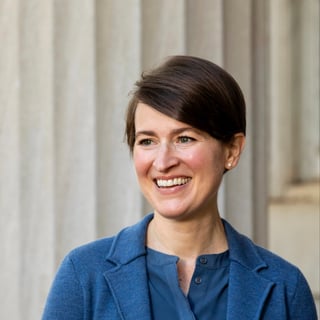
Speaker: Almost nobody takes advantage of this. Patreon.com slash cnfpod. So Sayward Darby is the lead editor of this piece. You know her as the editor-in-chief of The Atavist and the author of Sisters in Hate.
Speaker: And we start off by talking about the conversation she's having with her friends and peers about this crazy fucking business we've been in for, I don't know, 20 to 25 years now.
Speaker: Yeah, it's been a long time, man. It's been a long, long time. Always great to get sayward side of things. So here we go. Cue up the montage.
Speaker: The writing part is where the magic is for me. My students, the kids these days. You know, there's a difference between losing and being a loser. I either work on it or I allow it to torture me for a really long time. but This is going to have to interest somebody somewhere other than me.
Speaker: for bit as well is like a lot of us now have kind of been in the game for 15 or 20 years, even 25 years. And so the dialogue around how we approach the work and the the media landscape changing underfoot is, don't it's very front of mind, I think, for a lot of us. I had it had to be nimble, but had to stay in it or maybe had to pivot entirely. And then you just do it as a like almost like a hobby, like a short story writer at this point.
Speaker: So I just wonder for you, Sawer, what's the dialogue or the conversations you're having with you know your friends and colleagues you know in in the in the business about just how you're thinking about this kind of work now?
Speaker: Yeah, I mean, i think that increasingly it's important to be nimble. i mean, it's I guess it's always been important to some degree, but now more than ever, like I've been struck by, and this story, this month's story, Toxic Lies is a good example. It's one of a few in the last year or so that I've assigned to long-term in many cases, i think in all cases actually, like award-winning, like Pulitzer winners or finalists, ah you know, magazine, and not us sorry, newspaper writers or wire writers, um you know, people who really kind of came up in the industry
Speaker: when it was a very different industry. And now for bigger stories, for more sort of certainly narrative driven stories, but just more ambitious projects, um they are you know looking to a place like the Atavist, which I mean, I think is great. I think it means that the Atavist is you know looking good to people. But I also think it's indicative of just sort of how the industry is changing and like the requirements, ah again, for being nimble, right? For being like, well, you know, maybe places that i used to think about publishing or that I did publish, maybe it's not necessarily even that a story wouldn't be a fit. It's like, well, what kind of story do I want to tell? What kind of attention do I want an editor to pay to it? And so I i think that
Speaker: it's been striking to me that more sort of traditional industry folks are looking to places. And I don't think the activist is alone in this. And, you know part of it is because of things like layoffs and downsizing and, you know, people who've lost jobs and are looking to place great stories or people whose remit has narrowed substantially or whatever. But, but I also do think it's also a matter of, especially if you're,
Speaker: If you've been around a while, you know what makes the story great. And you're like, okay, well, what is it going to take now for that to happen? And like, maybe the the resources have dried up at certain places ah where they used to exist. um And so, yeah, I think doing, i think it's important to be nimble, but I also think it's important to like,
Speaker: in doing so have a good grasp of the landscape right um yeah and be aware of and this is definitely something that you know i talked to colleagues and fellow editors about you know places that have good reputations for you know good editorial support um and uh you know well if I have a story about X, like what's a good home for it? Not just from the standpoint of, do they publish those types of stories, but you know, well, who would I work with there? And you know, what kind of, um, what kind of resources would I, would I have?
Speaker: So, um, yeah, I mean, the long and short of it is so it's a lot more work for the actual people doing the creative stuff. Um, uh, but I think that's just the game now, you know, Especially um and in the book world, too. And I talked to it with ah Mitch and Holbrook about this as well, because they they see this Toxic Lies story as as book worthy. But they were like, they wanted to take it to a and a place like the Atavist to really stress test the narrative. and like...
Speaker: start using that attention to kind of bolster their platform. So then they become a bit more attractive to publishers too. So not only is the story maybe going to have the legs it deserves ah through atavistian channels, but then it's like, okay, they get the piggyback of that degree of of platform. And so that idea, and I guess there's always been this maybe magazine story to book, but they were thinking of like, ah this is a way you almost, as my editor who rejected the Ken Griffey Jr. thing, He was like, you got ah someone without the legacy backing of a big media institution like The Athletic or ESPN or whatever, he's like, you got to make your own weather. And so so many writers now, without that legacy media backing, have to have that platform and make their own weather and make themselves as attractive as possible. And it's just so, it's really, really hard it is to do that. You don't have the tailwind of that legacy media. Yeah, no, it's it's incredibly hard. um and And I think that what's even harder is, I mean, to kind of like continue with the metaphor, it's like, you know, the airlines have consolidated and a lot of them have gone out of business. And, you know, if you're if you're just thinking of, I think this metaphor makes sense. Like if you're just thinking about, you know, who who creates what, it's like, there just aren't that, you know, i'm not I'm not saying anything new, right? Like we all know what's happening to the industry. But so then it's also a matter of like,
Speaker: okay well you know only so many people can benefit from the tailwind of the new york times or the washington union washington post is whatever the washington post has become of late um mean there are still people doing great work there but obviously you know deeply problematic everything that went on with the layoffs and so it's like okay how do i create my own weather but also being comfortable with maybe the weather not being quite what it used to be, you know? um and like figuring out, okay, like I can create weather with this, but then I can, I gotta create different weather over here. um And you know what i mean? It's like, it's just, it's just, yeah, it's just work. It's just work. And I think it's not fair that people who are doing great reporting and telling great stories, like have to do that work now. It would be nice if more institutions supported it. But at the same time, i don't know, like I would I would guess that at least for some writers, there's like ah a certain degree of freedom in creating your own weather. Yeah, for sure. And I think it's the ones who will. And I categorize Mitch and Holbrook in this category. I have to do that with myself as well as like embrace it.
Speaker: If you don't, you're just going to be bitter and on the side of the road, just like wondering, like when your bus is going to come by. It's like the fact of the matter is, it's like. This is the ecosystem.
Speaker: Swim with that current. If you keep trying to swim up that current, you're just, going to burn out and then be on the side of the river and just be like, you know what I'm just going to go over. Yeah. Just leave altogether. Yeah. Yeah.
Speaker: I think that's right. I mean, they probably, i actually, I don't know. Did they, did they kind of explain like the Genesis of this story and kind of how it wound up with us? I believe yes I believe they do sometimes these conversations point in my head and I kind of forget but I only spoke to them yesterday I should know this but they did ah allude to that a little bit but maybe you can kind of pick up that baton and kind of as the as we as you bat lead off you can kind of set the table in that regard yeah so I mean my understanding and I don't think I'm like speaking out of turn here is that they had initially thought of it as a book
Speaker: And great, that makes sense to me. Like, it's an incredible story um with incredibly rich characters. And there's all of these different, to me, like interesting things you could do with regard to the history of the nuclear industry, the history of various types of like pollution and covering it up but whatever, any, like all kinds of things you could do that would, you know, have this really strong narrative spine about what happened in Paducah.
Speaker: um But then, you know, speak to kind of a wider ah environment, literally. yeah And the cold war, right? Exactly. The cold war aspect, sort of like the patriotic nature. I actually, well, I'll get, I'll get to this in a second. I think somebody should just write a book about Paducah being a punching bag of late stage capitalism. But, um, uh, but, but, um, but I think, um,
Speaker: you know, I can't remember, or I don't know that they ever like articulated exactly like why it didn't take off as a book project. But my understanding was that it really had to do with just like appetite in the book industry, right? Appetite in the nonfiction space. And, um you know, we talk so much about um how magazines are doing, newspapers are doing, like book publishing is not doing great either. um And, you know, things that were like a shoe in,
Speaker: not least because of these guys' profile and like the work they've done together previously um on on a book you know should have made that an easy sell, and for whatever reason it wasn't. But rather than saying, OK, well, darn, that didn't work out, they thought, OK, well, like then what can we do with it? right And like how can we still do right by our subjects, but also like we feel passionately about the material?
Speaker: where do we go, what do we do? And I mean, who knows? Like, I don't know if they still are hopeful that this would, you know, eventually become a book and maybe like this is sort of a proof of concept kind of thing. Or, you know, who knows, maybe we get film and TV interest, whatever it may be. But I think, you know, to your point, it's like, they thought they were going to catch one bus that didn't work out. And so they had to like,
Speaker: you know, hail a taxi. You know what i mean? Like, and i mean, that's been happening forever for as long as, you know, publishing has been a concern. But I think increasingly that like, oh, I need to pivot. Like, I thought it was going to go this way. This was the plan. no it's not. Like, this is going to be you know, the way of doing it. um And I'm obviously like thrilled that it landed with us. But, um but I also, you know, can imagine the frustration and of being like, but I see it, right? Like I see, I see the the version of things that like, I want it to be. And then having to, I wouldn't say downsize exactly. um
Speaker: but just reorient, you know, and say, okay, well, then what else? What else is it? Yeah. And we we kind of talked about that, too, and how yeah nimble they were being about it, like stress testing the story, trying to build its own energy and ecosystem around it. So they're like, oh, there is a built in audience who is a bit hungry for more. Yeah. and And the death of the dad book, quote dad book. And. That's what I heard from my editor of the Front Runner, too, and when he turned down the Griffey thing. He's like, yeah, like sports biographies and narrative history. It's like gone it's a tough sell. You have to make such a solid case that someone's going to spend $32 on a hardcover. Otherwise, we like we can't take it on. The narrative podcast space has really pirated a lot of what would be called the dad book.
Speaker: I was like, oh, that sucks. I know. That's my jam. That's a lot of other people too. And it's, it's, so it's all ah incumbent upon people to, if you can't port your audience in and like prove, prove that you have people like hungry for it And that's just all the more harder to do. Yeah. um But yeah, but that's what, you Mitch and Holbrook are playing the long game of the story, which is, which is incredible. And because there's so much to this story, how did you keep it lean and propulsive, know,
Speaker: given that there could be so many tributaries to this. Yeah, I mean, i mean i would say that was not hard insofar as like the draft they provided was already quite quite far along. um I think they had a good sense of what it takes to you know,
Speaker: build propulsion, sustain it. ah You know, certainly the characters that they were able to draw out and includ including, you know, folks that they never spoke to because they passed away. They were still really able to bring them to life. So I don't recall in the editing process more cutting of like, well, this is interesting, but it's more of, you know, sort of like a book chapter or like, you know the the middle of a book chapter or whatever.
Speaker: i think they actually had a pretty strong sense of of the balance required. But it is one of those, you know, it's history, obviously. And um but then there's also science involved in it. And so I do remember I had them write a much longer explanation of uranium enrichment. Because the thing is, it it isn't, we can all like, you know, you can describe uranium enrichment very quickly, but what was important was that you kind of had to know the various like stages that the uranium goes through because in the process, like there's this type of dust and then there's this type of dust and then there's this type of gas. And like, there are then references throughout the piece to exposures to those different phases. And so you have to kind of like really be clear about
Speaker: what, you know, kind of giving readers like the tools they need to understand like, oh, when we say this person was being exposed to this, it's because they were at that phase of the enrichment process, whatever. Anyway, um and um so I had them write a pretty long paragraph about all of this. And then our copy editor was like, this might be a little too long. He was like, he was like, yeah I appreciate the the like, what you're giving me here. And I was like, that's totally fair. And so like went back and it's still in there. But you know, it's it's definitely reduced a bit.
Speaker: But I think that's also a good example. Like I'm not a science and tech math person and so especially when I'm reading stories like this I'm like explain it to me like I'm an idiot because I am actually and like let's assume that right the some of our readers are like me um and so uh you know let's like put it all out there and then somebody who is smarter like our copy editors like you don't have to be You don't need to be that much of an idiot. But yeah, I mean, I think that Paducah is such an interesting place. And, you know, this is obviously mentioned in the beginning of the piece and also a little bit at the end. You know, part of the urgency
Speaker: Because this isn't just history, right? Like, yes, it is history because this is about a whistleblower case that you know the vast majority of the action happened in the 90s. But people are still suffering from what happened, first of all. um And so you know there are a ton of people who are probably owed compensation that they haven't received. It sounds like there haven't been great environmental studies done of the of the plant and the surrounding area to really grasp like how bad the the pollution has been and and how bad it has been for for people's health. But then what's mentioned at the beginning of the end of the piece is that they're about to build two new uranium enrichment plants. um They're on the site of the old one. And this is all part of the the second Trump administration's big push for like energy independence. And what these guys, these whistleblowers who are still alive are saying is, like did we do we we don't want to repeat history, basically. And like, we're not convinced that that anything is going to go better if you you know set up these operations again. um and I think that goes for not just Paducah. Like this is something that's happening around the country um as part of this part of this push.
Speaker: um And then on top of that, there's the, and this kind of kind came up at the last minute, but I think it was implicit. It became explicit because right before we published, it was announced that um a massive AI data center is going to be built in Paducah. And that's its own can of deadly worms, right? yeah In terms of you know what that can do.
Speaker: so we're So we're talking about a massive AI data center and two uranium enrichment in richement facilities. like That is bananas. That's just so much that's going to you know destroy the Earth, destroy lives.
Speaker: et cetera, of course, create jobs, whatever. But like what these guys are saying, these guys worked at this plant. Like they kept working at this plant, even though they knew you know the problems. And part of that was because they wanted to expose what was going on, but they also like believed in the work and wanted it to be done right and done better. You know, what they're saying now is this sort of the the establishment of these new facilities, we we are in no way convinced that things will be better for people, safer for people, safer for the environment. um And I think that's obviously an extremely fair assumption given what's been going on with the gutting of our regulatory state. But I think that even before the explicit aspect of the AI data center being built or being announced in Paducah, it was sort of quietly there in the piece, like this idea that
Speaker: these facilities, whether, you know, once upon a time they were nuclear or, um you know, textile mills that were polluting water or whatever. Now we have AI data centers like these, these places are built, they provide much needed jobs, they support important aspects of the economy, but then the same stuff happens over and over and over, right? Like environmental harms, cover-ups, people get cancer, like, and it's just like a tale as old as American industry, right? And so I think in that way, and this is something that I think, you know, in ah in a longer like book form, you could really play around with is sort of this like wider industrial legacy um and how this is a chapter
Speaker: in it an extremely compelling one, but it is just a chapter. And, um you know, there are all these other parts that you could, um you know, tell alongside this central story. Well, yeah, it is a fascinating story. And you see all the you you see it time and time again. You're alluding to it of history always repeating itself with this, whether it's industry will constantly skirt that razor's edge. Like, how can we cut costs, cut safety, you know, without getting busted? And then so sure enough, the local economy is bolstered by those jobs and they're.
Speaker: they're willing to like compromise their long-term health for the very short-term need of having to live and put food on the table. And it's, and they know they exploit that. And that's what, that's what's so sad about Right. It is. And I do think, you know, look, this has been, you know, Aaron Brockovich was, you know, such a sensational story. And then obviously it's such a big movie, et cetera, because people, you know, have felt strongly about these cases, these types of stories for a long time. But again, I do think that telling stories like this in a moment where day after day after day,
Speaker: you know, they're trying to distract us with a dumb war in Iran and um with, you know, freaking out about trans people. But really what they, I mean, and that's all- called Fauci's diary. Right, Fauci's diary, you know, like any number of things. But what they are doing behind the scenes, not even behind the scenes, they're just destroying the regulatory state, right? And so, um like, what's going to be left? I mean, assuming that, you know, a administration eventually comes in that,
Speaker: gives a crap about the environment and people's health, like what's going to be left to protect that. And so when you simultaneously have this push to build these, you know, potentially, yes, job generating, but also dangerous facilities, at the same time that the regulatory state is a shell of its former self, if you could even call it that, you know, what is that a recipe for? And I think we know, I think we know the answer. But that's all to say, like, I think that on the one hand, this is a history, but I, this story is a history, but I also think like, there is something deeply urgent about it, because the same sort of language that was used to, you know, encourage people to take jobs there, keep jobs there to feel, you know, a part of something,
Speaker: important, this sort of, you know, you're helping the national economy, you're also helping national security, etc. Like, you know, those same messages are being used, you know, with the the sort of construction and expansion of these other facilities. Yeah, I don't know, there's just there's a there's a an urgency to it that I think we're the out of this, we're never going to beat you over the head with it. We're never going to be like, this matters now, because you know, that's just not what we do. But, um but you know, I think that I think that this this piece like very much has a bullhorn quality to it.
Speaker: Yeah. And ah yeah just one more thing, Sayward, is ah you know you work with a lot of lot of different writers at various points in their career. And you know here you have a Pulitzer Prize winner in Mitch and a Pulitzer finalist in Holbrook. So you' you're working with like two very accomplished you know ah writers and reporters you know working on the same story together. They're such a tandem. It's kind of cool. yeah Just what's it like for you to work with you know writers of of that kind?
Speaker: caliber that are are that that are that accomplished coming coming to you? Oh, I mean, it's amazing. I still feel a little bit like, I don't know, that when are they going to realize the emperor has no clothes and like, I have no idea what I'm doing. I don't know if that's thr the right phrase to use. But, um you know, I even though I've been in this industry for 20 years now, more or less, you know, have been editing for the vast majority of that time, there is still some piece of me that's like,
Speaker: Surely they're going to realize that, you know, I'm I'm a noob and don't know what I'm doing. But but no, I mean, I think that um I think I probably said this about Barry's piece as well, um because Barry, you know, a Pulitzer Pulitzer guy himself, um you know, you definitely.
Speaker: learn as an editor, I learn a lot about i'm I'm always impressed by the economy. I think I said this about Barry too. Like I'm always impressed with these with these longtime seasoned ah folks um that they they really understand economy of language. Even in this case, um we ended up kind of cutting some dialogue that was in the story just because it was like, we can't confirm verbatim that this is, yes, it was probably the gist of what was said. We're not sure. But even like when I say economy of language, I mean, there's no like,
Speaker: unnecessary adjectives and adverbs and flourishes and you know you're just telling a story i think that these two in particular had a really great knack for every section felt like it had a strong scene in it um and i think if you go through and they they even had like a pretty ah noticeable like ability to for me as an editor they were it was like each section was like often started with a scene. It was like, we are, we are letting you know, we are dropping you in, right? Like these people are standing at the door of the cafeteria. They are sitting at the table, you know, in someone's kitchen. Awesome.
Speaker: Well, now we're going to turn it over to Mitch and Holbrook. As always, Sayward, thank you so much for sharing your side of the table.
Speaker: That was dope. Okay, now we've got Holbrook and Mitch. It's always an intricate dance, navigating multiple guests on the show, and get used to it because in a couple weeks, two authors will again share the stage for this new book on the NFL called The Playbook.
Speaker: Anyway, that's down the road. That'll be in September sometime. Holbrook and Mitch, get a load of this shit, are award-winning journalists, formerly with the Associated Press, I believe. I believe they have left.
Speaker: I could fact check that. but But I'm not, i because I'm pretty confident. Somewhat confident.
Speaker: A little bit confident. They have reported together on a culture of abuse in the U.S. gymnastics program, the use of, quote, less lethal force by police, and the dangers of medical devices known as spinal cord stimulators.
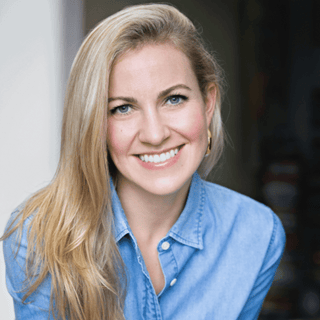
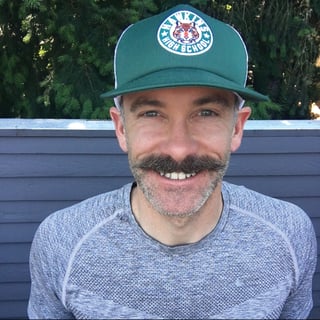
Speaker: They are the co-authors of the book Broken Faith, Inside One of America's Most Dangerous Cults. Mitch won the Pulitzer Prize as an investigative journalist, I believe in 2004. And Holbrook is a Pulitzer finalist.
Speaker: They have been working together as a tandem since 2009. Lots of that work for the AP. And now independently as they navigate the choppy waters of freelance investigative journalism and book writing.
Speaker: in this conversation we talk about their collaboration and trust with one another the death of the dad book stress testing a story as a magazine story before a book adapting and being nimble keeping interviews short developing trust with sources over time slowing things down hearing how sentences sound and how they decompress after reporting on very intense material so let's waste no more time Was that a waste of time?
Speaker: I don't think so, but maybe? Parting shot on forgetting how to do the thing. ah Let's let's do this.
Speaker: Well, Bert and I met each other when I rejoined the Associated Press in 2008. He's not going to know who Bert is. That's nickname. Oh, I'm sorry. I'm sorry. You know what? Okay.
Speaker: I met Holbrook, you know, and you warned me about that. It's these headphones. I texted him earlier and said, try to remember Holbrook. That is my professional name. Yeah, I have maybe. I texted and called.
Speaker: and still didn't register because I'm an idiot. But Holbrook and I met in 2008 when he was on the AP investigative team and I rejoined the Associated Press. I had worked there in the 90s and rejoined 2008. And we just hit it off immediately. When you collaborate with someone, you have to have a chemistry. You have to be on the same page and you have to push each other.
Speaker: And more importantly, you have to trust each other and to be honest, because honesty is the the most important part of a collaboration of a partnership. And there have been times where Holbrook has had to say to me, hey, man, you're going too far.
Speaker: And I've said the same. So that honesty is really imperative and important to a good relationship. And we've worked on a ton of investigative stories over the year. And we wrote a book together in 2020, Broken Faith, which was based on another Associated Press project.
Speaker: And Holbrook and I are just good friends as well. So it's it's great that we have that personal connection and that professional one. And we challenge each other. And we never get angry at each other.
Speaker: But there are moments where, yeah like any collaboration, right? Like Lenin and McCartney, you have that moment where you kind of look at each other and go, I've been with you too long. And it's almost like we're married, you know, a married couple.
Speaker: But really, it's it's a wonderful professional relationship. And you have to have, like I said, that trust. That's the most important aspect. I agree, and I think when it comes to the writing, it helps that Mitch and I, you know, we have similar worldviews and we have a similar voice to our writing, so it doesn't look choppy to readers. You know, it's easy for him to take a chapter and I'll take another chapter and we can just make it flow together.
Speaker: And I guess some of that just comes from working together so closely for so many years. We've done ah done a lot of big projects, but yeah, i agree with everything Mitch said. it It comes down to trust.
Speaker: You know, when you take on a big 13,000 word story and you're going to break it up and he's going to research some documents, I need to know that you know he's going to do a thorough job, which I know he will from experience. He always does.
Speaker: Yeah, and Mitch, you said a ah moment ago in terms of that, um yeah, that that dynamic in where maybe you'd be like, oh, you're going going too far here, maybe reel it back in. yeah What does that look like? What does that mean to maybe to push it too far, to go too far?
Speaker: When you read a document or you interview someone, and we we always footnote everything and we always make sure we have everything down. And so there may be a document that And maybe I'm not exaggerating, but maybe I'm pushing it.
Speaker: Does the document really say this? And there's Holbrook saying, no, you can't go that far. And so we we discuss that. And that's that's really important because you want to be accurate so that when people read it, there's no questions about the integrity of the story. And sometimes there could be a tendency to interpret documents differently, but we don't.
Speaker: And again, if if I'm going too far, then Holbrooke will call me on it. But it's it's really about that. What can you say based on the interviews and documents?
Speaker: And Holbrook, you you kind of brought that up too, that you have similar writing styles and maybe even a repertorial sensibility too. So you almost feel like you kind of have, I'm interpreting a little bit here, but kind of a shared brain in a sense, having worked together for so long. ah But when it comes to writing and even the reporting, but especially the writing, like how does it ah how do you guys keep ah a uniformity of the piece to so to your point, it doesn't feel chunky? Yeah.
Speaker: Again, i think that we just have very similar ah writing styles. The way we approach a narrative piece, it's it's just similar. We look for as many details as we can. we we really like those details.
Speaker: And um we're both very thoughtful about how we approach the subjects of our our work because you know these aren't characters that we're trying to create. These are people who we are trying to represent in a fair way.
Speaker: So I just think all those elements of reporting, we're very similar. So when it comes time to put it on paper, it just seems to come natural for us. Yeah. And when you're approaching a subject matter like this piece for the atavist and you have the yeah sensitive subject matter and you want to like honor the the people at the center of it for you the sacrifices they made and the courage that they put forth. you know, how do you honor your sources and in a story of this nature?
Speaker: you tell the truth, you present them the way they are in real life. And the only way you get to do that is by interviewing them knowing them.
Speaker: It's kind of like um a method actor in a way. You get to know these people so well, it's almost like you're inside their heads, inside their brains. And I think that's really important is the patience of interviewing and listening to them.
Speaker: It's a skill that that Holbrook and I both have because you want to know them as well. as So for, for Ron Fowler, it it wasn't just one interview. We're talking about dozens of interviews. It was trying to, you know, meet him in person to look at his mannerisms. And that's how we came up with the lead. We were calling him just to make sure that he was going to make it to Paducah and a nurse answered his phone.
Speaker: And when, Holbrook and I discussed that, we realized that's the thread of the story. He's in that hospital room. He doesn't know if he's going to make it, but his friend Chuck is going to be there.
Speaker: And that's how we started to, you know, outline that narrative, even before you know, we got to Paducah and started writing. Right, and given the the the stakes seem, yeah are are very high to the story too, and the stakes of the reporting are are are such, because sources of a certain age who are who are sick, who are affected by the stuff that was happening in Atomic City, you know, their their time is more finite than others, and you know, coming up closer to the end than the beginning. So what sense of urgency did you guys feel as you were reporting this out?
Speaker: Well, I think toward the end, well, about halfway through um the reporting process, that's when it we realized the urgency was when we went to we were ready to drive to Paducah to meet with these guys and Ron couldn't make it. and And he said himself, he did not know if he was going to survive that stay in the hospital.
Speaker: The urgency kind of just revealed itself. It was you know was there. you could not You could not ignore it. Fortunately, We were able to to to get the story told. It was very important to these guys to tell this story and we were able to do it. And speaking of the the story writ large, like so how did this how did you guys find the story?
Speaker: it was ah It was brought to us by ah um our agent with an idea for a book, which is what we we still would like to do. But ah Mitch was familiar with the atavists, and he thought, you know, let's see if they want this thing. Let's let's get this story out there.
Speaker: And, you know, fortunately, they wanted it, and it was we think we had a really good working relationship with them. It was ah it was a smooth process. we We think there's more to this story to tell, and we hope to tell it.
Speaker: well Well, exactly. um I think that there's so much stuff on the cutting room floor. Holbrook and I used to writing long form pieces and we wrote a book together, 80,000 words.
Speaker: This I think is about 13. So there's a lot more material that we can use. In fact, it was really hard to cut it to 13,000 words because are we leaving this out? This is important. um There's so much more to tell of of this story.
Speaker: Especially when you think that this is a story that unfolded over a period of decades involving you know multiple people, multiple corporations, different kinds of of chemicals and radiation. There's so much to tell, but um we're we're really pleased with the way the Atavist story came together. um We got some got some great work. We think it was presented beautifully. The presentation I really like.
Speaker: We got some good editing. It was ah it was a but good process. Nice. And I love this idea of that you you've conceived of it intellectually as a book, but you're like, you know, why don't we maybe audition it as a magazine story too? And so maybe what can writers out there learn from maybe turning turning the dial down and maybe the book ambitions and see if like do the magazine story and see if it's it it wants to be more, see if it demands more of it?
Speaker: I think with the changing there's a changing market with with publishers. I mean, the Wall Street Journal had a story a couple of months ago about the death of dad books, those narrative nonfiction books.
Speaker: And that's what we do best, is narrative nonfiction. And so what publishers are looking for this day these days, it seems like from our experience, it's not so much the story, it's how many followers you have. So they have that built-in market, so it's not as much of a risk.
Speaker: And I think what authors should do is like look at alternatives, look at other platforms first, whether it's the ad of this one, maybe it's a substat to see if there's interest to generate that interest so that publishers look at it and say, wow, that is a good story.
Speaker: And they're not looking at, oh, do you have a million followers, two million followers? And one thing Holbrook and I did when we worked for the Associated Press was we never went on social media to tout our work. We always thought that our work stood for itself, that we didn't have to go out there. Because I think to a certain degree that we were a little uncomfortable with social media because a lot of it is, you know, say, hey, look at what I did.
Speaker: And we're behind the scenes guys. But we also realize that with this changing marketplace, you have to, there has to be that balance. So for authors, don't be stuck in your own ways. Don't write a hundred page proposal, send it to your agent.
Speaker: It might be a waste of time. Instead, see if that story is going to resonate with, you know, a magazine like the out of this or again, like a sub stack or other platforms first. And, you know, also, if you do write that proposal and and it's a good subject matter and you don't get ah you don't get that deal you're looking for, there are alternatives like the atavis. So, you know, um don't give up on it, especially if it's an important subject.
Speaker: there are There are other ways to tell those stories. Yeah, your your point of the ah the the dad books of narrative nonfiction, I recently went through a situation like that. So as a follow-up to this biography I'd written, um I had pitched a Kingography Jr. biography that was you know subsequently rejected.
Speaker: based largely on this whole, the dad book industry having kind of cratered and it's moved a lot towards narrative podcasting as well. So that's really eaten into that market. know, my editor was just gracious enough to tell me, he's like, you know, you really need to make, you know, if people are going to spend $32 on this, you need to make a rock hard locked up case for that, for that product to be on a bookshelf.
Speaker: And if you can't do that, you know, you're really in trouble, like especially in this day and age. So I love you saying of like stress testing the story with other avenues and then building an audience and a platform that you can maybe leverage a greater, may yeah ma potentially a book contract down the road. But yeah, you got kind of have to stress test it almost.
Speaker: Yeah, you do. And, you know, it's it's one of these things that we we had to learn. When we left the Associated Press and in 2025, one of the reasons we left was because we wanted to write narrative nonfiction books.
Speaker: And we didn't we didn't realize the whole market had changed, that 10 years earlier, it was a different market and and some of our proposals could have could have sold easily.
Speaker: So yeah, we had to learn that the hard way, but we did and we're adapting now and adjusting and um I think we'll be okay. I really do enjoy the long form magazine pieces, sub stat. You know, we are launching our own podcast soon.
Speaker: So um it's it's all good. You have to be you have to be flexible enough to adjust. You have to adapt. And when you were ah conceiving of the of the pitch and pitching to the atavist, to what extent, and you can extend this to other pitches you've done, ah how much pre-reporting do you put into a pitch before you feel pretty confident in in shopping it or shopping it around?
Speaker: we put a lot We put a lot of work into the pitch. um i mean we Essentially, what we had to pitch with the Atavis was a book proposal. and when we do a When we do a nonfiction proposal, we do a lot of research because we don't want any publisher to feel like they got to bait and switch like we were guessing for the proposal and we're just planning to do the hard research later.
Speaker: we don't want We don't want to change. it You know, we don't want any surprises. So our proposals are probably more thorough than they need to be. um And they're they're they're they're fact checked.
Speaker: They're solid. Yeah. Yeah. The other the other thing is, i think that our proposals are an extension of what we had to do with the Associated Press. We were on the global investigation team.
Speaker: And before you could really go to your editor and say, look, we want to do X, Y and Z. We had to know what we were talking about. So you had to do that pre-research before you went to them. Otherwise, it could be shot down, you know, in the pitch process.
Speaker: So we we are very careful, to you know, to make sure that we do our due diligence before we come forward with any proposal. Yeah, that's really ah great points to underscore. I think a lot of us, and I know I'm guilty of this probably to this day, of of not doing maybe quite enough legwork up front, of securing enough sources, of securing enough documents, providing 100% yes, I have access to this, because you want to take all that mystery away.
Speaker: uh for the editors are signing the story like you can leave mystery and and teasers like all for the reader that's all good the editors need to know like they need to know the end of this thing they need to know that there's a shape to this thing and if if you don't there's like ah of then ah and you don't maybe have a body of work to back it up it's like i can't in good faith assign this to you so yeah it's it's good to hear you guys saying yeah you got to do a lot of legwork because i think a lot of us are Cause that's free labor too. So some of us might not put as much in because we were like, I don't want to work too hard in case this gets rejected, but you can almost assure it's going to get rejected if you don't do enough.
Speaker: Right. Well, well exactly. And what we found is that if you have a thorough, a proposal that becomes the foundation for the book. And so if you're really killing two birds with one stone.
Speaker: And the other thing is it's okay not to know all the answers. to, you know, the the questions and to the actual investigation. But there has to be enough there that you go, uh-huh, there is something and we're going to keep reporting and this is how we're going to do it.
Speaker: So you shouldn't give up just because you don't have all the answers in front of you. Yeah, if you're doing all that research and and stuff for, say, a book proposal, I love the Killing Two Birds With One Stone because also it might reveal itself to only want to be a magazine story, and then you're going to save yourself years and years of like be banging your up your head up against ah a wall of a book. And it's like, okay, then yeah then you can pivot it to something else. But there's almost no harm in doing that.
Speaker: yeah doing a bit more of that legwork and more of that research because ah yeah and it it never goes to waste, I guess is what I'm trying to say. Yeah, and if you if you do get a book deal, um you've you have the structure of what the book will be you know with miniature chapters. You have a great outline to start with and a factually correct outline.
Speaker: And if you don't get the deal, then you have a solid pitch to make to a magazine like The Atavist. Yeah. yeah It could pay off in the end. You're right. There's a risk. Maybe it goes nowhere. But if it does, you've got a head start. But but here's the beauty, too, that the platforms, there are so many platforms out there for your work that, you know, five, six, seven years ago, if you got shut down with a book deal, really, what was there to do? I mean, yeah I guess you could self-publish. But now,
Speaker: You have all the magazines. You have the subs that there are so many platform podcasts to get that story out. So it's really not not a waste of time to do all that hard work up front. Yeah, I love hearing that. it's a <unk>s ah There's sometimes ah a governor on that research engine for so for some people. It's nice to take off that restrictor plate, to use NASCAR terms. I used to cover a lot of NASCAR for a Bleacher Report. um ah Yeah, but take that restrictor plate off, and then just kind of let it rip. and yeah Not to beat a dead horse on that topic, but I love i love hearing the way you guys are articulating that. Well, there there was another need in this particular book, and that's what we discussed earlier, was that, you know, time is a factor for these guys. They'll be the first one to tell you that, you know, they're sick.
Speaker: And um so as we were doing the proposal, we're we're gathering as much information as we can. Because what if we get ah a contract or a magazine article or book deal?
Speaker: We have to have that information in case they're not around to finish the the project. Yeah. And, you know, that's that's a real concern. So we wanted to preserve as much of their history as we could. This was such an important project for us because the more we learned, we just looked at each other and said, wow, you mean the government knew this back in 1953 and they put, you know, profits over workers? Why weren't they told? There was a sense of outrage with this that,
Speaker: We had to tell their story and also what they did and how they did it, because that had never been told before. you know Sneaking in at work after dark, taking documents, collaborating with each other.
Speaker: And it was all about ah you know saving workers' lives, even though they put their own at risk. I'm not sure a lot of people would have done that. And and so, in a way, we just were you taken with that story of how they risked their lives to help others.
Speaker: because they could have just walked away. They could have quit and said, that's it. And they didn't. And when you get a story like that, you hold on to it and you want other people to read it because these are heroic people.
Speaker: And, you know, I asked myself this question, how would I have reacted if I were them back in the day? Would I have walked away? Would I have done what I would hope I would have done? But you don't know. And that's what makes a story like this so fascinating.
Speaker: And um yeah for people who are yeah unfamiliar with Paducah and the Atomic City, just take us to the world building of ah of this place in Kentucky and you know what they were up to and ah their their place in the world.
Speaker: The plant was opened in 1952 to enrich uranium for atomic weapons during the Cold War. um Later, it was used to enrich uranium for nuclear power plants and Navy nuclear subs and ships.
Speaker: And the the you know the big issue was that These patriotic people who thought, you know, I'm helping out my country to fend off communism and win this Cold War, um were told that the stuff they were working with was safe.
Speaker: And in fact, it was not. And they weren't told exactly what they were working with. There was a plutonium in there, which there should not have been any put to plutonium more than trace amounts because this place was designed to enrich uranium. And hundreds of, you know, if not thousands of them got sick of cancer, they had other ailments.
Speaker: The government lied to them. it's not That's no secret. The government has admitted to it, but you know the the damage is done for a lot of these folks and a lot of them haven't been compensated.
Speaker: And it really feels of the moment too, i feel, because you know now with all these data centers coming in and really encroaching on a lot of rural communities, i feel like even though this story takes place you know generations ago and feels ah ah even into the more modern day, but it does feel this is a canary in the coal mine or a little a harbinger of things to come with the industry that's encroaching on communities that we're seeing right to this very day. Yeah. Yeah. I mean,
Speaker: Those early memos that we found, the government knew, and they there was a debate, should we warn the workers? But what it came down to is, well, if we warn the workers about the dangers, well, then they might want more money. They might want hazard pay. that We have to test them.
Speaker: And so they're having this debate. Meanwhile, the workers are being told there's nothing wrong. you know, there's it's safe. And to make that point, there were cases where a manager would sprinkle some of this stuff on a sandwich and eat it and see say, sure, look at me, I'm not getting sick.
Speaker: But it was a cumulative thing. Going in every day, it kept building and building and building. And there were no tests to see how that radiation was building inside. But the fact that they knew early on from like 1952, 53, and said nothing to the workers, that it was all about money and keeping production going, that's ah that's a cautionary tale. That is it It was really hard to believe that our government would do it, and yet they did and not only
Speaker: Not only did they deceive these workers, they blamed the workers for the problems created at the plant. Like in the case of Joe Harding, they said all the problems he had, stomach problems, were from a eating too much country ham and smoking cigarettes.
Speaker: it It was just ridiculous. And you know that man, he tried to he tried to raise the alarm, but people just did not want to believe him. They believed the these contractors and the government over him.
Speaker: And yeah in the whistleblowers at the heart of it, you know they're the ones who are, in in a sense, ostracized and sort of criminalized within that community because if what they were saying was true, then perhaps the plant has to shut down and then all these people are out of work. And so...
Speaker: There was um another level of courage that they displayed that they were going to essentially be pariahed in their own community. ah Yeah, they had death threats. um You know, people driving slowly by their houses. Ron Fowler had his car damaged, vandalized. Yeah, they there was a ah lot of personal sacrifices that they made.
Speaker: They're brave men. And so was Kay, you know, ah Chuck's wife and but Bud Garland, the one who passed. um They were all brave. You know, it was really a heroic thing that they did.
Speaker: Yeah. And there was risk because there was a time where they were using a picture of Ron, some of the security people, on the shooting range. And so he got, you know, the, you know, the little you know picture of like bullet holes in him. I mean, they were aiming at him.
Speaker: And so how are you going to react when you see something like that, or you get those phone calls in the middle of the night saying you better back off or else, I mean, the strain it put on his marriage, put on him.
Speaker: I mean, he told us straight up that, yeah you know, he had to self-medicate at points to to get through it all. And, know, For what? I mean, because he wanted to tell the truth, because he wanted to protect his workers, and that's what he got in return.
Speaker: Yeah, a lot of this reminds me of um Jared Sullivan's book, Valley So Low, that came out a couple years ago. about the It's in Tennessee about the coal ash that dam broke, and this coal ash stuff was all over the place. And similarly, all the workers in the community were getting sick as ah or a result of a...
Speaker: Really criminal negligence on the part of the government and the overseers. And it just goes to show that this is a story almost as old as time. As long as capitalism is involved in something of this nature, they will cut every corner possible and put the workers out there as the front line and and say, like, you'll take you know, take the brunt of this until they'll push it until they have to shut down. Well, the amazing part about this was that we're talking about generations of workers. This was a community that welcomed this plant.
Speaker: There weren't many jobs in this community before the plant opened. ah You know, you worked in the coal mines. There were some other jobs, but basically people had to move to get good paying, you middle class jobs.
Speaker: And so the For generations, like a father, a son, grandchild, they would all work there from the early 50s all the way up. And so it became like kind of the economic backbone of the community. But on the other hand, there was this deep, dark secret that the government did not want disclosed because they were afraid it was going to, it would the workers would want more money and they'd want more protection.
Speaker: And so they hid it from them. So generations of families were affected by the plant. And so as you're you know gathering your materials and you're setting to start to write the piece, you know, how are you thinking about yeah the structure and how you guys wanted to lay this out?
Speaker: It kind of unfolded. We had an idea of of what we wanted to do. You know, it's a chronological story. you kind of have to tell it in that way. And then um the you know the the beginning and the end just kind of.
Speaker: developed on their own, you know, with that phone call to Ron saying, hey, man, we look forward to meeting you tomorrow. And that really finalized the structure of the story. Yeah, and I think I think with a complicated story, because there could have been a tendency here to really drill down on the uranium, the enrichment, and then you lose the humanity of the story.
Speaker: So we wanted to know the people better and infuse that into the story so that it it just read well. So we knew we would have to, for confusion's sake, you know, just lay it out on a very linear version. OK, we're going to start from Ron's first day and we're going to go here.
Speaker: But that beginning and end just came to us. I remember calling Holbrook as I was driving up there saying, I think this is the lead. And I pulled up on the side of the road. And it it just came to us as we were bouncing ideas off each other.
Speaker: Start with Ron, build the tension, because at that point we had no idea whether or not he was going to pick up the phone. And that's how we decided to structure But yeah, telling it in a linear version, because that way it's not complicated for readers and laid out smoothly that way.
Speaker: I love ah yeah hearing you talk about you know the kind of laying out the time. they Do you guys create a sort of ah a shared timeline of events so you're you're just seeing how things you know really unspool from your reporting?
Speaker: Right, and you know as you get more documents, you you start to see the timeline develop. um you know We're saying, okay, Ron is telling us when he started at this plant and nineteen in the 90s, this was happening.
Speaker: But then we get a document that shows, well, it goes back to 70. And then you find another doctor's document that says, well, actually the government knew what was there in 1953. So you know it it all unfolded as part as as part of our research from reporting.
Speaker: and And you have to, I think it's important when you have so many, you know, dates so that you put together that timeline. And what we do is we share everything in a Google doc and we're adding in and then we'll discuss it.
Speaker: But having that timeline is critical, I think, to to the story. Yeah. And ah when, when you're working together to structure a narrative to, ah to what extent are you outlining or are not outlining as as you progress? Yeah.
Speaker: we're We're not real big outliners. We um we kind of we kind of have a vision and we talk about it and we figure out what we want to do, like what the chapters is, be more like really developing chapter summaries than than an outline, I think is the way that we operate.
Speaker: And you can always move those around. I mean, I guess it's similar to an outline, but it's not a very formal outline like I've seen a lot of reporters use. That's just not really, that's never really been our style. it's it's almost It's like hard enough to you know do the to to write these kind of things, just you know one one writer and in ah and an editor and you know setting up your your own rituals and routines through which you can actually get the work done. But now you when you put in yeah two cooks in the kitchen, it might be even more challenging. So i don't know, just how do you coordinate with each other when you're taking on various chapters and setting internal deadlines within yourself? How does that ah how does that operate?
Speaker: communication. Yeah. we We talk a lot and email every day. You know, it's not like, well, I say every day, most days, you know, when we come up with a plan, we say, okay, i mitch I'm going to write chapter one and this will be the focus and he'll start on chapter two and that'll be his focus. And then when we finish, we'll come together, swap them out, talk about them, refine them and, you know, massage them where it flows from one chapter to the next.
Speaker: Yeah. And I, I choked around at the very beginning, but To a certain extent, it's true. Holbrook and I, are it's like we're a married couple in a way. We're talking every day and, you know, this like Holbrook said, we're discussing, okay, you take this, I'll take this. And what are we going to say? in Because our writing style is so similar, everything blends together. It's it's a real smooth process.
Speaker: So just from your point of view, what was a ah challenge of this piece, ah of a code that was maybe you had difficulty cracking, if you will? Well, it is it is complicated. you know The first time that we talked to to Chuck, he said, ah you know what do you guys know about isotopes?
Speaker: which wasn't much. so it's a kind It was a complicated subject matter that you had to to condense. and You have to explain the so the science, but you have to do it in a way that does not break up the narrative flow.
Speaker: You don't ever want to get a reader to you know page three and they go, oh man, this whole page is about gaseous diffusion. and I don't understand any of it. I'm quitting on this story.
Speaker: So to blend you know the the the human elements with the science, I think, was a challenge. And we've we've had we have a history of doing that. We've we've worked on you know complicated investigative stories before that involved science. And so we know how to do that.
Speaker: But before you can even attempt that, you have to really become an expert in that subject. And so you have to read a lot. You have to talk to each other. you have to Make sure you fully understand it before you can even write it and and try to simplify it for readers.
Speaker: it It can be a tough, but there's a beauty to it because every investigative project, you're learning something new and it's a lot of fun diving into those those subjects, whether it's faulty medical devices like like we've done or you know uranium enrichment.
Speaker: it's It's actually a lot of fun, that whole learning process. Oh, yeah, and that material is – it can be easily discarded if you can't cultivate really good character because once you have the characters, then you're along for the ride. So just when you're reporting out and interviewing, just how are you thinking of you putting the most compelling yeah character on the page? and yeah Of course, we don't make anything up, but how are you – creating that character so then we are reading about TRUs and gaseous diffusion and stuff of that and we're like oh wow that's that's pretty cool because Chuck is an amazing guy and the Fowlers are awesome or something
Speaker: You have to really dig down into the details. you know who are these Who are these guys? you know What are their fears and hopes in life? you You have to get to know them. um you know What do they look like?
Speaker: Was your hair parted to the side? What do you eat for breakfast? All those things, you really have to get into the details because if if you can't make a reader care about the people in the story, then they're not going to read.
Speaker: So you could have, you know, the most fascinating and subject for an investigation that there is. But if you want people to read it, they're going to have to care about the people in the story.
Speaker: Yeah, I totally agree with Holbrook on that. And that's where the extensive interviews come into play. And they can't be marathon interviews like you're going to interview someone for four hours because you're not going to hold their attention, your attention.
Speaker: It has to be in bite-sized chunks. So it's an hour here, half hour there. And it's also about talking about their lives and other subjects to make them feel comfortable.
Speaker: um Because you get to know them and you get to know their families and you get to know what they like and don't like. And that helps go to their character and their motivation because we always want to learn the why.
Speaker: Why didn't you walk away? Why did you do this? And when you talk to them, you understand why they did. And then the details come out, you know, Ron's you know, ah kind of an open guy. He's, he's passionate about everything and he does. And, you know, Chuck is more reserved about what he says, what he doesn't say. And so you met, you reflect that in the writing, in the characters.
Speaker: And, um, I think that we were able to do that because of the number of interviews we had and we understood them, where they were born, where they were raised, what they thought. Those are really, they may seem silly to some report, but for us, that is really the cornerstone for developing characters And you you have to develop trust.
Speaker: To get somebody to tell you that, man, my my life was going out of control, i was eating handfuls of sleeping pills just to go to sleep, they have to trust you to tell to tell you those kind of details about their lives.
Speaker: And those are the kind of details that I think um make people care about the story because he really was sacrificing, you know, his physical health, but also his mental health, his relationships with his you know his wife and his in-laws.
Speaker: He made a lot of sacrifices, but nobody's the first time you talk to him. Very few people are going to tell you those kind of details about their personal life. You know, that takes time and ah developing a relationship.
Speaker: Yeah. Yeah, and Mitch, you had said something about you know having that patience and cultivating patience earlier, and that's so it's so vital. ah But these days, things move you know so fast, and investigative journalism is, everyone will say it's important, but it's very devalued, and you know the it's very resource-intensive, and there aren't many people doing great investigative work because it's just so time-intensive and resource-intensive. But yeah, at boil it all down, it does come down to patience and trust and ah and a willingness and ah yeah and um and knowing how important it is to get these stories out because that's really ultimately what has to fuel you to get this kind of work out, I imagine.
Speaker: It does. You have to remember to slow things down. And you're right. In this world where there this fast-paced news cycle and everybody wants to get it out first and This is a different kind of you know genre, so to speak, a different kind of method that you have to use.
Speaker: You have to slow down. You have to build that trust. You can't expect to get these details on on the first interview. More importantly, you have to show you care. You have to be empathetic and you really listen to what that person is saying. And that can lead you into all sorts of directions.
Speaker: But really, for us, it's that time. You have to put in the time to know that person. Yeah. And would you counsel ah other reporters out there to to maybe find like a synergistic pair to maybe do more co-byline and co-researching ah stories out there to kind of spread a wider net and to bounce those ideas off each other?
Speaker: I think it would be great if if anybody could find someone who has the kind of work relationship that we do. um You're going to have to like them. you You really are. I mean, this goes back to our days at the Associated Press.
Speaker: We would do these big investigations, and when we thought it was finished, we would get on the phone and we would read every line to one another and then talk about where did we get this and how do we back this up?
Speaker: And if somebody challenges us, is how can we quickly show them this is where it comes from? So, you you know, you have a lot of intense conversations. You're spending a lot of time together. um You know, we kind of get each other's ah personality and, you know, we have similar humor. So all that works for us. But, um yeah, mean, to have to get along.
Speaker: Yeah. and and And the other thing, too, about reading it back besides footnoting is you want to hear how the sentences sound. That's really important.
Speaker: How does it sound? Is it flowing? Because with writing, there's a certain rhythm. There's a certain cadence to good writers and you can read it and you can hear it. And if it doesn't sound right, if something trips you up, then you go back and you look for other words. You look for ways to rephrase it.
Speaker: But that is so to to us. it's It's so important. Yeah, it helps you recognize, you know, is there a word echo here? Are we using the same word too close together?
Speaker: And if so, um can we replace it with something else so you don't hear it twice, you know, in two sentences? um All those things. He's right. There's a flow. And by doing that, that is pretty labor intensive.
Speaker: But it's just a practice we started a long time ago and we continue to do it. Yeah, and when you have conversations that can be ah pretty heavy and intense with your sources, um and you're taking a lot of that on, you know how do you decompress from heavy conversations that you're having repeatedly over and over again, for but know over years sometimes?
Speaker: Well, it's hard because we have done worked on some major projects. Our last project with the Associated Press, we were Pulitzer finalists for investigative journalism.
Speaker: for a project called lethal restraint. And it was really hard because you're watching and talking to people who have died. Then you watch these videos and you.
Speaker: So it's really hard because you're dealing with death. You're dealing with people at the worst moments of their life. So I think one of the things that we do to decompress is, you know, not only do we talk to each other, but we take breaks by, okay once I step away from the computer, I'm going to watch something That's funny. That's a comedy. That's something that takes me out of, you know, the immediate moment. Right. And so you can relax a little that way.
Speaker: I think you have to do that because otherwise you can get sucked into a really dark world and it could affect you. Yeah, you got to find a way to relax and laugh.
Speaker: yeah We joke around a lot and yeah we find ways to laugh because yeah the the work that we've done for our whole careers is that you're looking at the dark side of life. We're writing about child abuse deaths police desk and deaths and We've covered military and you're writing about soldiers dying.
Speaker: So you have to find a way to get out of that darkness. You know, like Mitch said, watch a comedy, laugh a little. You know, go go watch your kids play sports. Get away from your phone and electronics and go outside.
Speaker: know, spend time outdoors. That's one of my my best recommendations, you know. Yes. ah Try to get off the grid. You know, on weekends, like, if my kids are coming over, if I have a book I make sure i put the phone aside and that's it. I'm not, you know, you have to have that time to decompress. And if you're on your phone, you're looking at emails and you're looking at this on news, step away, turn off the TV, focus on the people around you. And again, you know, if you do watch TV, something light and that, you know, comedy, it's something.
Speaker: Yeah. Get away from the darkness. Oh, for sure. And ah just as a piece of maybe reporting or writing advice, you know, what is something that you've heard maybe from a cherished friend or mentor or just hard earned advice that you like to bestow upon people who might be struggling um with their writing and reporting? it What's something you might offer for people out there and yeah know people in your inner circle who need some help?
Speaker: I think we touched on this earlier. One thing is is the details. And you know, that that really, ah saw the importance of that when ah Mitch and I wrote our book together. He had written books before. But you really need those details to do this kind of narrative work. You know, was the coffee decaf?
Speaker: You know, those kind of things. Was it Starbucks? Whatever. you you really need those details to do this long form work. And yeah Mitch and I have always talked We talk about how you know our voices are similar in our writing and our outlook is we've always talked about the humanity in a story. And I think that's more important than ever because you could go on ChatGPT and say, you know tell me everything you know about the Petuga gaseous diffusion plant.
Speaker: And from court records and congressional testimony, it was going to pull you some information together. Anybody can do that. But A, I could not tell you that that you know Ron Fowler had nightmares about children playing in a contaminated creek.
Speaker: You've got to spend the time with people to get those kind of details. That's what will set your work apart. And I think that's more important than ever. you know Do that work. Get those details.
Speaker: Put the humanity in the story, because without that, nobody's going to read it. Well said. Yeah, for sure. And ah yeah, to those that point of those details, um i Seth Wickersham just wrote like this 15,000-word profile on a Sean Payton, the head coach of the Denver Broncos, about the lead-up to the AFC championship game last year. And i when Holbrook, when you were saying about the details, like in there, said, He knew that Peyton set the thermostat to 68 degrees because he wanted it cold ah to keep everybody awake. And he knew his sleep score every single night because he was there like shadowing him all the time. So he's he's got an impeccable eye for that detail. And ah for lack of a better term, like the courage to ask the really stupid, inane question like, oh, is that decaf in in your coffee or whatever it is? And they're going to look at you like you're a freak. But you're like, oh, no. That's This is a little detail that makes the story really pop. You've got to believe me on You've got to trust me on this.
Speaker: Yeah. one One thing to your point, though, I think a better description of Sean Payton, though, is the coach who helped the Saints win the Super Bowl. There he goes. Spoken good like a true Saints fan. That's right. Who dat?
Speaker: I have nothing to say since I'm a diehard Jets fan, so I'm a total loser. i mean... Oh, my God. Well, I grew up in Massachusetts, so I'm sorry for the pain that we caused you. Yeah, you caused us a lot of pain over the years and still cause us a lot of pain. Yeah.
Speaker: Yeah. Oh, my gosh. That's hilarious. My season's over before it begins. Yeah, yeah, it's, oh my gosh. Yeah, it's um it's rough. it's It's been a rough few decades. It's been rough since 1969 as Jets fan. Yeah.
Speaker: Oswald, I'll leave you guys with one more question before we close up shop, is that I always love asking the guests for just a fun recommendation of some kind, just anything you're finding fun that you want to share with the listeners out there, and so I'll just extend that to you, and maybe Mitch will lead with you, and then Holbrook. I think, as far as fun, I mean, watching...
Speaker: You know, really funny shows like the new Larry David show on um HBO, because you laugh and you just like escape everything. And so I would I would recommend just walking away, watching comedies and laughing.
Speaker: Yeah, I think, ah you know, anything that you can find to make you laugh um or give you a little excitement is worthwhile. And that's that's different from for everybody. You know, like um my hobby is flying, but that's not for everybody. But that's what I do for fun.
Speaker: Oh, amazing. Gosh, have you always been ah into into aviation? I grew up around it. My dad was a private pilot just for fun. My brother's an airline pilot. So, yeah, I grew up around it.
Speaker: Fantastic. Awesome. Well, this piece for the Atavis is is it's so great and gripping, and I can't wait to see what more you're going to make of this story, too, going down the road. And that'll give us a great excuse to talk again down the road, I hope. So just thanks so much for coming on the show and talking some shop. This was awesome.
Speaker: Yeah, hope that we've ah said something that maybe will help some other writers out there. It is it is a tough time for us. For sure. lot of ways. Well, thank you for having us on your show. We appreciate it.
Speaker: Yes! Awesome! Thanks to Sayward, Mitch, and Holbrook. Not too shabby, right? Read their story at magazine.atavist.com and consider subscribing. And no, I don't get kickbacks and commissions.
Speaker: Don't forget about that Hippocamp Online event. The one I'm moderating is the debut panel that is free to attend, though there is a sliding scale donation. That's Saturday, August 15th from 6 to 8 p.m. Eastern Standard Time.
Speaker: And you know I'll bring my CNF pod sensibility to this panel, so get your ass ready, people out there. Hippocampersmagazine.com, fool.
Speaker: As I flounder in rejection land, I've been digging deep into the trench of this podcast. It is a trench at times, isn't it? Whoever listens this far, i don't know, it's like four of you. and And not really getting out from under the bottomless pile of books to read and interviews to produce. like I read four memoirs in the last two weeks, and the more memoirs I read, the less I like them.
Speaker: I feel like I need to tell people it's okay to be funny. you know If I ever dig back into my baseball memoir, I'm going to tear it up and make it a comedy. It's kind of funny as is, but I think it should just be comedy beginning to end. i already have a new title for it. Instead of the tools of ignorance, it'll be gotta beat the traffic anyway. But when it comes to drawing up a pitch or even an essay... ah For instance, like I want to write a flash essay titled 343.66. That describes the runner Josh Kerr's world record mile race from a few weeks ago. That will take on average, I hope, 3 minutes and 43 seconds to read. So he broke the mile.
Speaker: Yeah, he broke the mile. I want the essay to read and about the time it took him to run the race. Yeah, so there's that. And I've got reporting on the Cassini mission to Saturn to flesh out. And I've got Ken Griffey Jr. reporting to flesh out. And perhaps I've got 50th anniversary of the Lake Placid Winter Olympics to flesh out.
Speaker: And when you're pulled east and west and north and south at the same time, you're left with a dizzying paralysis and a confusion of how to start. And while I don't believe in writer's block, I can see how somewhat accomplished writers can get stuck.
Speaker: Like ah cars, tires are stuck in the mud. Like I need a bag of kitty litter. You know? So throw that shit under the onto tires and spin out. I think it has more to do with having too many ideas and chasing too many rabbits that leaves you rooted in place. You know with the front runner, I had clarity. And I want that clarity again.
Speaker: So I guess I just have to pick one and report it out. So, okay, I think I do have some measure of clarity. As some of you know, my King Griffey Jr. biography was rejected, and I think it was largely rejected because the frontrunner didn't sell as well as they had hoped, which is my fault, of course, but also because I don't have a big platform or a legacy media institution behind me.
Speaker: I was told that it's all the more important that I have to make my own weather. And that's not exactly forecasting Category 5 book sales at the moment. So it's not so much the idea the idea itself that's bad, but the writer behind it is not very attractive at all, physically and financially.
Speaker: And so in pursuit and trying to build a weather system around Griffey, I finally landed on that coveted time peg that had been eluding me for some time that could help drum up some momentum. All right. So 2027 marks 40 years since he made his debut in the minors as a 17 year old kid fresh out of high school.
Speaker: That's my target. Right along feature about that time before he breaks before superstardom. Ken Griffey Jr. on the bus. It's also a Pac Northwest story.
Speaker: Since he spent most of that time in Bellingham, Washington, he was obviously drafted by the Seattle Mariners, and he spent a great chunk of time and that upper left 90 degrees of the continental u United States.
Speaker: And I'm like, oh yeah, boom, that's it. That's the focus. Don't think about the book. Just think about that one narrow little aperture. Squeeze that aperture shut. And if that story gets a ton of attention, which I think it would, then I've got the weather system to maybe sell the book I want to write.
Speaker: And it's why we need to keep compendiums and journals of the books we write so we can reference them and remind ourselves that we've done it before and we sure as fuck can do it again.
Speaker: So stay wild, CNFers. And if you can't do, interview. See ya.