Transcript
Speaker: Like, not to change the subject, but maybe we should, like, start the episode officially. I mean, we've already started, but, like, isn't this Diffin episode something or other, Ray?
Speaker: F036247, think, maybe. Yeah, we'll see. We'll see. Since we actually hashed the audio file, we can't know the episode number by definition until Veltor finishes editing it. but Yeah.
Speaker: That's exciting. But this is the episode, this is some episode. It's a wild ride, Xiong. It's an absolutely wild ride with us on this show. We don't know the episode until the very, very end. i mean, this is how crazy we are.
Speaker: you know Ray, just like introduce our guest already, dude. What? Get, you know, come on, get to it. Oh, right. Okay. Right, right. Well, mm yes.
Speaker: Uh, So, Shi Yong, we kind of all met um a little bit earlier in, was going to say this year, but think it was last year now. Everything's flying past, you know? Yeah, it was last year.
Speaker: um Yeah, and it was on a side-close panel about the deeper implications of AI, I think it was called. Yeah, conference, yeah. And it was an absolute pleasure hear Xiong talk about her experiences on that podcast, on that discussion panel.
Speaker: So we were both very excited to follow that up. And finally, it's come to fruition that she's here, she's ready, she's prepared. and Way more prepared than any guest has ever been on this show, I have to say. Absolutely, yeah.
Speaker: I'm very shocked to hear it, but thank you. I like to be prepared. You're making us look professional. That's no good. No, that's not happening. She's making herself look professional. you yeah okay it was very By contrast, making look even more amateur. So she had on us.
Speaker: But you know thanks, Xiong. It really is a pleasure to have you on the podcast. and yeah Maybe you can just tell us a little bit about yourself and yeah how how our audience might relate to you.
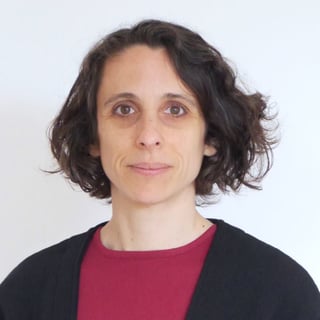
Speaker: Thanks. First of all, thanks for having me. So I'm Shi Young. I'm um currently living in Seoul, South Korea, and I've been working as a full stack closure developer for some years.
Speaker: um So previously i was um int tech, but not as a developer. Then my coding career started.
Speaker: with the quality engineers, so test um automation. And then I thoroughly enjoy the job, like just being able to think of end-to-end and the full user stories and finding some what's wrong and reporting it. But um at some point I got, i just had a desire of like,
Speaker: Okay, there's an issue. I want to fix it. Oh, there is a feature that developers building and I'm just coming up with ah tests, like how to automate the test.
Speaker: I actually want to build it. um All this like extra desire just happening, like coming up more and more. That's where I so just started to finding a way to becoming a developer. And that's also when I was working in a full stack Clojure shop company. And um i've since then, i've as a developer, i try like I've used many different languages so far, but Clojure has been staying strong as my favorite one. with that
Speaker: Was that first job, Xiong, was that just a coincidence that it was a Clojure job or...? it I think Clojure definitely encouraged me to ah become a developer even more. just I had like desire of it. like um So my background, like I studied astrophysics and I was able to do some research um during my undergrad under my supervisor for two years in a lab.
Speaker: um And that's where, and it was a running computer simulation using supercomputer technology. And that's where I started actual like programming and I really enjoyed it.
Speaker: um But I didn't really know after graduating university, like how to get a actual developer job. I did apply multiple job with, you know, hundreds of jobs, but never heard back.
Speaker: um Like a message out to the stars. yeah We've all seen a Contact, right? what's the new show where the ah the aliens beam down the beautiful genetic code that makes us all love each other? You know what I'm talking about? What's that show called? No idea. No idea. No. I'll think of it. Whatever. can Continue. I'll think of it. But but the actual question is, like i I always get so frustrated by people who were like maths or physics majors, um and they end up like automatically going into software development. it's such we've
Speaker: Everything is flattened these days. I mean, you know where are all the astrophysics jobs these days? Um, it's sort of like, it's so, it's so such a waste of talent in my opinion, you know, the, you're, I mean, not that, not that you aren't going to do great work with closure and software and that kind of stuff, but that obviously wasn't your, your kind of dream growing up. it wasn't where you developed all your skills and,
Speaker: you know, all your knowledge. um So yeah, i was wondering, how do you feel about that? You know, how do you feel about the fact that you ended up like doing this rather than doing your sort of like when you had a telescope as a kid and you were dreaming about the stars, you know?
Speaker: Yeah, I definitely like in my childhood and once I fell in love looking up the sky, looking at those stars and with my telescope. And also, especially, i love ah looking at the moon with my telescope for hours and hours, you know, like the moon has a map, like each creator crater has like its name um and they look all different.
Speaker: it It's so like fascinating. And think I wasn't a very like patient kid. Like i I'm, and I get sick of things quite quickly and easily, but science, math, especially learning like about stars, it never made me sick of it. So I thought that was like, yeah, this is it.
Speaker: And then of course, like, starting my undergrad, studying them, I i thought that I would become a you know a researcher. But especially astrophysics, I still remember um there were only two of my basically like the same year classmates went to grad school.
Speaker: So the department itself was very small and at least the school I went to, the University of Toronto and pretty much every grad student um going direct, like after graduating undergrad, going directly to grad school, they were getting a full scholarship. And it that definitely made like, that was great, but at the same time,
Speaker: also have didn't have enough funds so run i think it's yeah I mean yeah stupid capitalism but so you said the University of Toronto like how did you end up um in Canada and the funny story so um I was in my as soon as I become an adult like adult age legal adult age I had like Is that like 18 in Korea or 16 or? 19.
Speaker: oh okay. Yeah, of course. Some other number. Yeah, other number. You're wrong. um I usually am, to be fair. so I think I always, even before becoming an adult, like looking at the stars, i i even already mentioned that I was an oddball. I always felt like I love my country, but I also felt like something's not quite right with me.
Speaker: um is it I can relate. Is it a problem um from me or can I explore some other options? So that was just my first step.
Speaker: to go to Canada. And that was only for supposed to be like 10 month long learning English. So language training. So like, you know, registering yeah ESL school and um learning English and free time you can do, you know, you can travel, you can meet other people, do other activities. part of my other activities become, um,
Speaker: attending i it's sort of like seminar the weekly seminar happening at the University of Toronto and physics department so pretty much all the uh universities um and physics department a host like weekly seminar so inviting all like different experts um doing research in their, like in physics or even like astrophysics in their field and then introduce, talk about their specialties and have discussion about it called colloquium.
Speaker: And I attended one in Korea, but then I also, you know, in my free time while I was in Canada, I went to the one, the University of Toronto and it was just a,
Speaker: the vibe was so different and there was more engagement, more questions and people were more excited. And also a big thing for me was there were more um diverse range of age in the audience. that Okay.
Speaker: Yeah, because it's open to public, but I noticed like that's that applies to here as well. But I've never seen anyone like outside of the school joining those kind of friends. So I felt like, oh this kind of just being able to interact and then hear different people. And I felt that was like for me.
Speaker: so And before left, left after 10 months, like without telling my parents, I applied to the school.
Speaker: um and I thought you meant you left without telling your parents. I was like, oh, damn. So there i and overall, i've been a i was a good daughter for them because I didn't make a huge like problem in my teens and so on. um that That was quite a shock for them. Once I got the acceptance letter, like, you know, shipped, like delivered to Korea and then just like, I opened it up and they were like, they just lost words.
Speaker: and Nice. Nice. In a good way, I hope. Yeah. Yeah. and Eventually. Okay. Mom and dad, I'm going to Canada.
Speaker: But of course it's, It was, it's for them. i think they sort of anticipated in a way that like, I wasn't the like, you know, ordinary child in some sense. um I always wanted to, you know, learn something new and,
Speaker: you know, like they, they were supportive. um But I think like eventually they were like, oh yeah, we sort of anticipated this. Right. Like, um and I think I just didn't really have like a good presentation to show them like why I have to go back. But I just felt like kept saying like, I i think I got got to go.
Speaker: Were you thinking of like making a PowerPoint to explain this to them or what? Yeah, because they were so worried. you know First of all, i'm you know i'm um I'm still very young and women.
Speaker: um And also my 10-month language training was actually my first time abroad. yeah And that was also like hard for them to support me on that send me that for 10 months and then came back and there's then the daughter says like,
Speaker: oh, yeah, um I want to go back and at least stay there for another four years. Yeah, they must have missed you. yeah yeah How long did you end up staying then? Because you stayed longer than four years, I think, right in the end?
Speaker: Yeah, so in total, 15 years. What? i yeah I graduated my undergrad, and then it took some time, but got a full-time job.
Speaker: um and and then got permanent resident status and like work there worked there for a while, bought a house with my husband. and i thought you know I didn't want to give up my Korean citizenship, but I thought that was sort of my new home. like Canada was my new home, and then I was going to be there.
Speaker: um But like everyone else, you know, the COVID hit. and Oh, yes. no It's that time in the podcast when somebody's telling a life story and we hit 2020. Oh, Lord.
Speaker: Buckle up. Yeah. the missing The missing years. Yeah, Jesus. long 2020. There's like five years or something in that one year. Terrible.
Speaker: it it just It was just a lot. I think the the main thing I love about living in Toronto, especially how lively the city is, how diverse.
Speaker: And I didn't feel, even though like still not citizens, um But as foreigner, but like it was just it's such a diverse um city that I felt like just I'm I was I felt I was belonging there.
Speaker: um But lockdown happened. Also, like our wedding got postponed twice. oh yeah, yeah, yeah. And at least, like, I try to visit my family once a year, which I couldn't do for over two years during the time. Yeah, yeah, yeah. You know, the it's very, like...
Speaker: It's famous to about like the the winter in Canada is quite harsh, um but the rest of the season quite pays off. But like during COVID, it didn't, it was just harsher than ever. felt like, it's not true, but I felt like the cold air like I felt my bones had like holes and then just cold air going through. like wow yeah mean i'm just tell you what you didn't i still ah sorry ray go ahead then i was just talking about the weather so you know well i'm in Sweden and oh and even we in Sweden look at Canada and like, oh that's cold.
Speaker: we didn't want to go there Yeah, I was going to you. No, no, it's fine. Because actually Sweden had a particular take on COVID, which we can talk about. Don't remind me, Jesus. Yeah, but I was wondering, because obviously America had a take as well, which was like essentially almost to the point of like, yeah, we've had a lockdown, but you know what? Just open everything back up again.
Speaker: I can't remember. I can't remember. I don't if read or whatever. You know, you were there. What was the sort of Canadian take on COVID? What? you know, were they kind of like, was it a good outcome that they protect their citizens or was it more kind of, anyway, you tell me.
Speaker: It's
Speaker: at the start, the lockdown was very strict and it lasted a while. um then of course, like, ah In the end, I think all this like sort of the crazy dramas happening around the global globes about like, I don't know if if I want to go too much about like them the, the massacre situation. And um I think it became quite similar to what, what was happening in the States. But people were very like,
Speaker: um yeah like we're all at home um didn't
Speaker: and and also like sorry i don't know if i could describe this quite well because like i stayed home um yeah yeah and then then of course like also the companies um Later on, like my kind my work was acquired by American company, but at the time, the Canadian company... They made you go back there the office.
Speaker: they They actually did the survey, and pretty much nobody wanted to go back in the end. So they they they were it was surprising they were still paying the high rent on the on the offices, but they just...
Speaker: didn't force anyone. wow. Okay. Yeah. Yeah. so until we left Canada, I was working from home. um But I know... um Not everyone was like me, course.
Speaker: Yeah, yeah. i I just typed what Sweden was like in COVID in the chat. And I i won't go into that here because that'll get me started on a 15 minute rant. but So maybe we should talk about Clojure again. and we we were talking a little bit before we realized we had like started the podcast. And you know you were mentioning a little about your experience in the Clojure community. But maybe if we kind of ask that question in a more focused way, like um you said that Clojure kind of
Speaker: maybe drew you more into wanting to be a software engineer, um even though that like desire was there. Clojure maybe made it stick, I think is how you said it. um What's it been like um in the Clojure community for you?
Speaker: it's been the one of many main reasons that I stay in the community. like The community has been very supportive. um And even though everyone has different interests and expertise, I found there's some sort of similarities in like persona or something that really um bond us closely. but then it's not like too intense, but like, you know, just very chill,
Speaker: um chill But still, when you need help, someone's there for you. um The kindness overall.
Speaker: i The quite, in my opinion, overall, all the events and sessions that I i join online or offline, i felt very safe.
Speaker: i Especially... ah the community I'm currently in, Cyclodge. Yeah. So Cyclodge... Daniel was amazing, right? Oh, yeah.
Speaker: Yeah, yeah. Yeah. So Daniel was the person, when I first reached out to official Cyclodge email, that i I always wanted to do something, like contribute something in open source. But personally, I...
Speaker: um without like computer science background, but then jumping in just professionally as a developer, i think I felt quite unsure what I can do, where I can like where i can start.
Speaker: um But you know my email was responded by Daniel quite immediately. Meeting was booked. quite immediately again. um and our first meeting was, you know, such a good listener as well. like just getting to know about my background, my interests. And um also, the you know, Daniel has such a chill vibe that like, I thought like I was like, I try not to talk. Super chill.
Speaker: Right? ah some sort of like talent Daniel has like i i just overshared but found like Daniel helped to find some parts that I could help um which was last year i the community um already has been doing it had been doing it but wanted to do more you expanding its roles to promote closure and bringing newcomers to the community and more and more. and trying to find a way to do that.
Speaker: And amongst many initiatives, one of them was to provide more like a learning, um you know, the the real case, like use usage examples with closure, with cyclosh libraries and so on.
Speaker: um And i was able to help some of that out. And then also we hosted some online conferences and be able to know invite the people in different expertise and interests and talk about their work and also provide the workshops. So newcomers who don't know where to start, like,
Speaker: you know live coding session with um the community members and learn how to do things um so yeah like i personally felt very hesitant to reach out like already this like very established community is over like in general I felt like oh joining as a newbie to you know, already like well-established group, I might not be able to fit in, but that was entirely false, like including Daniel and everyone in the community was so welcoming, so curious about what I do, what I'm interested in um Even like, I still remember ah earlier last year we had a online conference and
Speaker: every I was talking about computational fluid dynamics. ah Yeah, ah as you do. yeah That was because that was the one, like the the the research I was in during undergrad. And then I always felt like I want to do something about it again or just like right we relearn it since it's been so many years and I forgot so many things.
Speaker: Yeah. But anyway, like there were so many different kinds of subjects presented during that conference, but then there were so many common subjects um that we, you know, later on, like established new groups of people and collaborated with.
Speaker: And that kind of dynamics and interactions, it was the first time for me. And I just had a blast. I, and, um, you know, I'm very introverted, but like, um, and sometimes like interacting with many people really make, like, make me feel like anxious and dress sometimes, times but like, I've never followed with any events during psychodge, I never felt that, nor like any sessions, um events I attended in closure.
Speaker: um it was, I still remember my first and like, first time um attending conge that was 2019 um okay in in in the u.s and dc i went to room yeah yeah yeah and the day before like official start of the conference like the the board game night do you do you guys know that they yeah yeah i've heard about it but i've never actually been to the conge but
Speaker: They did um the board game night at Euroclosure as well, Ray. I guess um the one in Slovenia where we first met. You remember that? be Could be. Okay, anyway. That was a million years ago. Sorry, Shiong. Back to you. Sorry, the conj, the board game night. It was such a chill vibe. My previous, like the last, the before conj, it was more like the the science conference during undergrad and it was like, you know, very serious and very like, and most of time, like as an undergrad student, like I didn't understand most of talks that they were having with this time. Like I just felt even there were lots of people in the audiences and I'm surrounded by by people. i've felt less anxious.
Speaker: oh you know, amongst many reasons. I think that was like the over the years reason that I stayed in the community because I got so much benefit from it and have appreciation.
Speaker: um i don't know if I'm doing enough, but i think through Cyclog, I'm hoping to be able to give back some as well.
Speaker: that yeah so but That's great. I mean, yeah. Yeah, I was going say, so your kind of physics and science background attracted you to that community and it's been a kind of welcoming welcoming experience. So, I mean, I think that's, ah yeah, I think that's fantastic. It's definitely something where,
Speaker: I feel like physics and science in general is being dominated by other languages, obviously, especially Python. Oh, yeah. yeah so So, I mean, how ah how did you... When you talk to, like, other colleagues or whatever or outside of the Clojure community, do you do kind of, like, get any pushback about that or are you kind of reaching out or how is that working?
Speaker: I think last year i i haven't I hadn't done it in a while, but then I started looking at what my older supervisor has been doing. While I was in his lab, he you know I use Python for data analysis after the simulation running. Sure.
Speaker: But then he was still using like different languages. So like the simulation itself was written in C++. plus plus yeah Typical. ah Many. Yes, of course. Yeah. from then And then personally, the supervisor loved using Fortran for his calculation.
Speaker: um But yeah, I've well scientists, right? They love. Yeah, warron yeah. that's true I thought that was i like in he didn't really force us to like use it.
Speaker: But i was also just I think general I love learning new languages or tools. So I also had fun recently when I looked him up most of his I guess, research-related contribution um has been in Python.
Speaker: So don't know in other um fields, but especially in astrophysics, I think definitely Python is the strongest
Speaker: language can you can use. I was very... I was this close to um reach out and talk about what, like about my initiative and um introducing him about Cyclage.
Speaker: um But of course, like I'm still very shy. So I haven't done that. um And then slightly going back to Ray's questions of um,
Speaker: um the, you know, not enough like people doing research. Why are they turning into programmers?
Speaker: So I wanted to like see if I, you know, there were grad students and postdoc I also interact with, work with. I also, one of them was also my sub supervisor, um,
Speaker: And it was interesting. So like most of them, um they started their grad school, like, you know, ultimate goal is to be in like faculties, but a lot of them, when I look them up, yeah, like I, when I look them up, they actually, you know, a lot of ah A lot of them finished their PhD, but eventually like they became all developers. and God damn it.
Speaker: i was like, oh, I got no one to talk about this other than eventually I'll get ready and then reach out my supervisor, my professor. but Yeah.
Speaker: Like the black hole of development. Yeah.
Speaker: Yeah, I just had this vibe of you, or not vibe, sorry. I just had this image of you, like, I don't know if you've seen the movie Contact with Jodie Foster, but just like looking up at the moon with your telescope and then like going into astrophysics. And so I'm just waiting for you to discover, you know, extraterrestrial life. So if you could get right on that, that would be yeah terrific.
Speaker: That's the yeah ultimate goal of my life. like but Seriously? Yeah, like I want to find something. But of course, like my research wasn't about, um you know, observational research, like, but i still love looking at stars.
Speaker: Of course, like we moved to Seoul, which has the most, like one of the most like light pollution. vision Yeah.
Speaker: I live right by an airport, Chiang, so I can't, like, I'm lucky if I can see Venus, you know. It's terrible. Yeah, I was just going to ask, I mean, obviously, Korea is a big place, so you could probably head out into the hills and get some, you know, clear light sky, clear night skies.
Speaker: Yeah, yeah. So in during my high school, I definitely, um attended some of the offline, like the astronomy observation meetup groups.
Speaker: And a lot of times those events happening in like ah deep in the mountains. And, you know, some i at the time I was just a little young, younger, cannot drive. But some of adults will bring their own telescopes and, um,
Speaker: watch stars drink a lot of alcohols and get drunk. And that's also where all this like extra inspiration happens. okay
Speaker: So you see aliens, whether they're there or not, right? Anything is possible, you know, when you, when you have that moment, you know, um,
Speaker: Um, and yeah, those, those, those are, those were good times and I definitely want to do it again. we got, we have our car and we haven't done it. Um, my husband and I really love hiking and Korea has lots of mountains.
Speaker: Um, so. So does Sweden. If you want to come visit, just saying this. oh Oh, we love to. Yeah. It's funny. That's really good. Yeah, yeah.
Speaker: I haven't been to Europe, so I'd love to visit. Oh, really? oh well yeah know Well, there's plenty mountains in Europe, yeah. Yeah, I was going to say, just submit a talk to Dutch Closure Days next year and you know then fly over and we can take you on a tour of Europe if you want. Oh, that would be so lovely. Thanks.
Speaker: and Seriously, I mean, there there will be opportunities for you to come and speak. And, you know, yeah a lot of the times these conferences will pay expenses or at least um a large amount of the expenses. 100%.
Speaker: Yeah, let's talk about that offline. Yeah, we'll get you. We'll get you an invite for sure. um Yeah, but we're not going to let you off the hook, right? that That's the thing. where you You're on the hook now. You're on the hook. Yeah, yeah you're officially on the hook now. yeah yeah It's good.
Speaker: yeah know So all this kind of like stuff in Korea. so Coming back to the closure world of Korea. so i mean i We don't really hear that much about closure in Korea, but um you know maybe as you could...
Speaker: share your thoughts about that. Maybe it's a sort of ah unsung, like an un unlit star ah or an undiscovered star, let's say, in a firmament of closure.
Speaker: Yeah, I don't think stars are stars if they're unlit, Ray. I think they're just particles. I corrected myself there. Come on. All right, all right. Sorry to science-splain you there, Ray, but...
Speaker: yeah If you're embarrassing us in front of an astrophysicist, stop it. Oh, I'm not i'm not astrophysicist. I'm just an enthusiast. Yeah, the community here is definitely um not but is it's is here um and i already have met um multiple very passionate Closureans here in Korea over the last three years.
Speaker: And um I think some years ago there were definitely more companies, not like many, but some companies that openly like talking that they were using closure for their, like for building their products.
Speaker: I think, yeah, at the moment there are not many left, but they're still there. um and there are, um,
Speaker: kind of regular basis, there is offline Clojure meetups happening here in Seoul. And then there is also a relatively big functional programming conference happening here.
Speaker: and um Clojure definitely has a big role and contribution for that event. um And then i also know a couple of CTOs um here and Closure devs from a few startups, ah tech startups. And I'm Especially like I have such a high respect towards them because I didn't know about this up until I met, get got to know Collegian here.
Speaker: Apparently Korea, like jokingly and not jokingly, the tech scene is very like, it's called Java Republic. So...
Speaker: just and Well, hate the Java, love the JVM, right? Isn't that what it says in the Bible? he was Yes, yes.
Speaker: So i I think the respect, like the my the high respect that i have is like in this like Java Republic environment, they their perseverance and um choosing the language that is not Java and be able to continue. um and And also, I think one of CTOs hire, like some developers never use Clojure, but successfully train them.
Speaker: um it's, it's very like inspiring and, um, and also, sorry, it's going slow. Um, don't worry about it.
Speaker: We'll speed you up in the edit, you know? yeah say welter um I'm one of the world's slowest talkers. So I think, um, You don't know this, but Welter actually bumps me up to 2.5x in the edits. um Oh, really? You know, yeah. No, not really. I mean, yes. Or no, I don't know. Whatever's funnier. Definitely. um um Yeah, and then um it's not happening anymore. And I was in a study group.
Speaker: Clojure and Haskell i but with three other Clojure developers and didn't since like life happened so it didn't last long but you know it's very like I was so um grateful to get to know the people with you know in the same interest and being able to get excited together. Like it's always, I feel it's a special like moment.
Speaker: um Especially since I moved here, I've been working remotely. I didn't really have like a sort of so-called human interactions that work that much, you know, the face-to-face type of thing.
Speaker: oh So yeah, the, I still am very hopeful ah to see more activities within the closure community here in Korea, which is overall the market is very like, you know, tech and economy, everything is quite tough. So I notice um not only closure, but in general, like things are quieter.
Speaker: um yeah But I know still like the interest and and that the effort to keep the community going is still happening. It's just not very obvious.
Speaker: Yeah. Yeah. Well, that's great. So i know that, um you know, one of the things we were talking about before is that yeah digital sustainability is something that you're really interested in, right? So, i mean, maybe there's an opportunity there, Xiong, to start some kind of digital sustainability with Clojure Meetup in Seoul.
Speaker: Oh, I'd love to do that. You know, i I mean, and also, like, that's the thing, like, um In closure, even though like we're from the different background, like most of time when I have a conversation with people i'm I get to know, like quite have a similar interest in terms of the perspectives for um the ah society or what matters in life.
Speaker: Yeah, so when I get to talk to people the Clojure community, like most of time I could see it easily get derailed, not only just talking about Clojure, but also like you know what's happening in this world and expand you know the inc and then the schedule time, it all always over the schedule time and just on and on.
Speaker: um We know nothing about that on Death End Podcast where episodes are always half an hour on the dot. yeah On the clock. Plus or minus six hours. but It's, um and yeah, i'd I'd love to. um it's As an introvert, it's really hard to have initiative like and then start something.
Speaker: but I'm taking last year and this year while while being part of the psychologic community and just like gaining experience and energy to be able to broaden what I could do and where I could meet people.
Speaker: um So we'll see. I'm looking forward to, yeah, what, could be done here in Korea and be able to you know share the stories to the overall closure community, for sure.
Speaker: So can you um maybe just explain a little bit more about what digital sustainability means to you? Right. um Before we talk about that, I should be very...
Speaker: carefully point out that i'm I'm no, you know, this is my personal opinion. I'm i'm i'm not an expert expert on any particular thing, but i i believe there is like no person knows knows it all, solves it all, does it all. um And i think this applies in general life.
Speaker: Um, and anything that could be sustainable because we're imperfect, um, and there's always good and bad in life, um, in order to sustain something in the longer term, like I, I believe we have to,
Speaker: um have more critical thinking and talk about it more openly. Xiong, I'm sorry, I have to push back against all of this. There is ah right and wrong, and I'm always right, and everybody else is always wrong. you know the Critical thinking, what do we need that for? We have LLMs these days. yeah So I'm sorry, I just had to, I couldn't let that point go by without you know arguing with you.
Speaker: well i Well, respond ah respect what you think. No, you don't. You're wrong. Yeah.
Speaker: He is. yeah I mean, just pick any subject, really. ah Guilty. Yeah. Sorry. Sorry. You were making actually a very good point that critical thinking is important. that Nothing is right or wrong. We have to like really get into the discussions and I derailed it with my stupid joke. So let me, let me re-rail you.
Speaker: I, I think it's it's, it is like important. Like everyone has a different personality, different perspective, different thoughts. um I just want, I think I'm broadening my view, hopefully, while when I'm able to hear what others thinking.
Speaker: And I, and that's where, um and that kind of like, providing the space to be able to talk or just have an opportunity to meet new people and then learn what they're thinking.
Speaker: um I think that's where i personally felt like i was a I've been able to grow further. i don't know what kind of growth I'm doing, but... um Listen, it sounds good from over here. so It sounds like the right kind of growth, not the ah not the unsustainable GDP-style growth. this is Growth of the mind. We like that.
Speaker: hey I just, i I might sound very naive here, but um you know, like i the current, I'm in tech, but then current, like the general vibe or the ecosystem is really like fast. and um Yeah, like you too fast. you've Very fast, like you get in, you gain something big.
Speaker: And then exit. um you know Yeah. I personally feels a, like the goal of like successful exit is the like ultimate goal for this startup. Like I've actually heard that.
Speaker: Yeah, of course, of course. And I just pardon my language, but that like that at the time I felt like that was the most bullshit I've ever heard. Yeah. Well, the question is, what does it mean to exit?
Speaker: Exit is a kind of entry as well, you know, because you might have an idea, it might grow a bit, you exit, but then someone else is like essentially absorbing that set of ideas or that set of technologies. So it's not like like it's a zero-sum situation, is it, where you know someone someone enters a space, gives up an idea, makes some growth, and then...
Speaker: exits it's not normal to exit i think why is this what's this exit bullshit i mean know to your point it's money capitalism yeah yeah and i know the answer i know the answer i wanted young to have a bash at it as well because she's a better thinker than you are well yeah i mean that is fair q ed i think we would say Yeah.
Speaker: Through this exit, like, I just want to ask, like, is everyone's benefiting it equally or just like fairly? I think that's my question. And in reality, so far, historically, I've seen that's not the case.
Speaker: um So this has... a smaller group of people getting successful exit. And then a lot of times they re re-enter with their chunk of money in any ways, right? that But- yeah Well, there's a whole train of these people, right? Like you have Marc Andreessen, who got a good exit from Netscape and then re-entered as a VC and is like a total purveyor of right-wing bullshit ideas. You got Paul Graham, similar story. There's a whole train of these people.
Speaker: train of these fucking idiots basically who get lucky basically make money and then they're coming back and like it's the survivor bias or whatever right I won the lottery and now I think I'm smart I figured out the game behind the lottery and I'm just you know whatever so sorry maybe that was a sidetrack but well I think you have a great point um this so-called lucky ah
Speaker: people, lucky ones, um have more ah opportunity to say, um those are the minor, like less people and their majority of people still day to day work really hard.
Speaker: um And this one person being able to grab a microphone and just had a destiny to say that I'm right, I'm better than you, and you're not doing it enough.
Speaker: um Where can I, as ah as a just a normal being, like get the motivation to go on with my life? Like, right? Like, um I just want to have at least like, you know, this is not really the general,
Speaker: industry characteristic, unfortunately, but any more of that, but then some sort of like the psychological, the security of life, like the career um and my profession, um sort of like human centric point of view and ah focuses um the current you know, tech industry, we don't talk about that much anymore.
Speaker: um but just talk about specific technology and. Yeah. I think what's, what's, what you're kind of pointing at in what I'm hearing a little bit is that we used to, it was kind of almost become a little bit of a joke. Let's say, the, uh,
Speaker: the ah the the the idea that we should use technology to make the world a better place. It's become a kind of sad joke now, you know? Right.
Speaker: but I think that's what you're kind of hinting at is that we need to kind of get back to that vibe, you know, where we're actually doing work for, for the benefit of humanity, for the benefit of the actual people that are using our technology, you know, as well as hopefully the people inside of the industry.
Speaker: Yes. So um i think I got this idea of like sustainability um more and then more thinking about it.
Speaker: um It was from after we moved and then there is like in Korea, especially going to some restaurant, I noticed there is a sign of like a hundred year old shops.
Speaker: um And that gave me ideas. so this one is like a government initiative that awards certain ah small businesses with like a hundred year shop designation.
Speaker: So it's like those shops aren't yet like a hundred year old. but they're you know they're very specialized, like their menu, their products, and serving like traditional and local dishes. And the idea behind these designation is to showcase and support like small scale businesses that have been like perfecting their craft.
Speaker: for a long time with a hope that they will last 100 years and beyond.
Speaker: um Then the focus and also it's the business and people.
Speaker: And that also comes with interacting with the people around it you know, visiting, um buying the products. and appreciating it um as a society, we continue that small chunks of initiative. I think that's where we could actually sustain things longer, in my honest opinion, rather than
Speaker: the big mega company or group just controls it and have all the powers. um It feels that the focus when there's a smaller group and smaller, more confined focuses, it's easier for us to maintain it and then sustain it.
Speaker: um But and when we first start this conversation, I um i said nobody can know no it all, right? Like, because of that, like, I think, yeah, I i don't believe, like, the hyper scale of model or technology can make this world better um because we we can't individually... um
Speaker: I don't know if we have actually ability to digest um as it is. Yeah. Scale makes everything harder, doesn't it? Like whether it's um it's a business or you know even just, I know, Ray, you you have ah a garden that you tend to, and you you can kind of just about keep up with your garden, which is relatively modest size.
Speaker: But then you know imagine if if you scale that out and you you move into the neighboring fields, then that becomes harder and harder for you. And I think it's the same with, like we we had a conversation with um somebody about democracy and that's another thing, right? Democracy is hard to scale up. And you know certainly if we look at these AI models,
Speaker: um that The scale just makes it impossible to you know have any kind of like safety guardrails around these things, right? Because you're feeding them the entire internet and their training data. So...
Speaker: I think like you're putting your finger on something there, which is like sustainability. And i I kind of hate the idea of sustainable growth because sometimes in order for a business or whatever to be sustained, like it should not grow.
Speaker: right There should be a point. like Ray doesn't want a bigger garden because then he couldn't possibly tend to it. um I don't want my business to grow beyond 10 people because you know i i couldn't manage my business or whatever, you know for example. Yeah.
Speaker: Yeah, but i think the concept of a lifestyle business is is du is is so like derided now, isn't it? Yeah, it is. The concept of a small-scale kind of lifestyle business where, yeah, you get to buy your house. Maybe the people that you work with also get to buy a house, blah, blah, blah. This feels like the opposite world now.
Speaker: you know i as a leader, I get to buy 10 houses and my workers get to buy nothing.
Speaker: Yeah. Yeah. um Unfortunately, you know, I think that the division of rewards has to come into this discussion about sustainability. Um, because that's the problem that we have. Like you were hinting at earlier on, xong that it's one or two people that are gaining the majority of the benefits and, and this, you know, like it or not, this is a problem. Yeah.
Speaker: Because those people, when they get those benefits, who controls what their, you know, what their, um, priorities are. Um, and often their priorities are just more, more, more stuff to themselves.
Speaker: Yeah. Yeah. I mean, i I think if you look at just like Elon Musk alone is probably the second most powerful world government, right, is Elon.
Speaker: ah He can just do what he wants. And maybe, maybe, maybe the US s government can control him, but no other country can mess with him. So.
Speaker: Yeah. This took a dark turn. Yeah. It's okay, but I think I really think, um I personally think we need to talk about the dark side of the reality.
Speaker: um Especially in tech, like i think I be a had become quiet because something, speaking up,
Speaker: what I had in mind was definitely like something taboo and then like, don't kill the vibe type of thing. right And let's talk about happier yeah Right, right. um The non-political workplace. Yeah, yeah, yeah.
Speaker: Yeah. and i don't think that I don't think that us talking about this real stuff is a dark vibe, by the way. And I'm gonna push back on you there, Josh.
Speaker: right Because I think I'm ready. Real talk. Real talk is good. you know, um we don't have to be depressed about our desire for a fairer world and a fairer place to to live and to work.
Speaker: To me, that's a joyous place. You know, it's not dark at all. But this is a place that I find strength. I find courage and I find that sustains me, to be honest. That's beautiful, Ray. And you were just willfully misunderstanding me because so you could make that beautiful point, weren't you? You jerk.
Speaker: I'm glad you made it, Ray. I'm glad you made it. Yeah, it's really nice. like i Because I totally agree. like Whether it's positive negative things, you know subjects to talk. um i person like Currently, I have no...
Speaker: suggestible solution. Like I i can't really, i feel very pessimistic overall, but i also feel that we need to continue to talk about it, acknowledge it um in order for us, like the human evolution, just our brain works that more we think we find a way.
Speaker: and so I just want us to, continue to talk um and acknowledge. And I think it's already happening.
Speaker: You know, the there is constant, you know, marketing about like is trying to hype AI and um pretending that everything is going great.
Speaker: Right. But it's, it's, people are already acknowledging like there's something wrong about it. And it's, it's, it's really affecting us slowly and concern about it. It's just not there, you know, the people in power, this sounds so contros it's controversial, controversial. I'm not trying to,
Speaker: do that but you know that i eventually feel like more we talk about it we will be able to have our voices heard more and more um yeah i think it's i think it's one of these things and um myself and josh have talked about this in other in other forums is that the problem with this idea that you shouldn't talk about politics or you shouldn't have your opinions is, you know, it's a kind of ah barrier that's been put up by a kind of ideology or a kind of a capitalist society that doesn't want you to question. Yeah, the water you're swimming in, right.
Speaker: yeah Yeah, it's a bit, I mean, people always talk about like, you know, China being oppressive or certain places being oppressive. And yet, as soon as you start to raise questions about capitalism, you get all this pushback. Oh, don't talk about it.
Speaker: You know, not allowed to talk this Yeah, say Palestine and Germany, you know. You can't say from the river to the sea in Germany, they lock you up. I'm not even fucking kidding. I know, but it doesn't even have to get that bad. if But if you just question the fact that like every company is a mini dictatorship,
Speaker: which is at the heart of capitalism. Even something as simple and as obvious as that, you know you get pushback. Oh, don't talk about politics. but but But it is like but it is's like that. everyday Everyday life is like that.
Speaker: What i was going to say, though, was sort of maybe bringing it back a little bit towards closure and sustainability. One of the things that ah that kind of like I was hearing a little bit with this 100-year thing is like, how do we how do we maintain, how do we sustain our software? And it's often the thing that we talk about in Clojure. Like do you compare ClojureScript to JavaScript and it's just total chaos out there.
Speaker: um Whereas in the ClojureScript world, things tend to be more stable. um In the Clojure world, compared even to Java in recent iterations, that things have become a bit more, again, a bit more, I wouldn't say chaotic, but a bit more fast-paced and yeah in the Java world. And in the Clojure world, you've got time to think. You've got time to consider things.
Speaker: um what you're doing with the program, not not worrying too much about the infrastructure that's underneath it or whether the platform's changing every five minutes. you know The fact that we get a small release with some small improvements once every two or three years is it's quite joyous, I think. that's how you That, to me, is how you sustain software going forward. You have some good ideas, and then you keep working using them and reusing them again and again and again.
Speaker: Yeah, it's like an oak tree. you know It only grows a centimeter a year. yeah Right. Yeah. I think that's definitely what i like about closure.
Speaker: um This fast-paced industry, we're in that industry and the field, but still there is very...
Speaker: like found like firm foundation within Clojure that um it's still there is like ah already proof that you can build a good product, you can write good code.
Speaker: Even if you don't know the hottest tech, hottest trend that currently going on. um Since I've been in tech industry, there is I'm trying so hard not to, but have this sort of ah anxiety, um not getting to keep up with like what's going on. um Yeah. The formal. Yeah.
Speaker: Yeah. but But I think that being in the closure, being able to write in closure, definitely. relieve my anxiety.
Speaker: it It helps a lot. Yeah. I mean, Clojure is... Sorry, Xiong, was just going to say Clojure is, it's almost like it's a 75-year-old programming language, right? Because it's in the Lisp tradition. It's quite simple. So I feel like this like fast pace of like you got to learn the newest thing. Well, I mean, like you said, right, like the newest thing in Clojure is a minor improvement every two years, right? So you're not you're not going to get left behind by this stuff.
Speaker: there were Yeah, and then there were like, especially in ClojureScript, I do remember earlier days, like with this anxiety, I get to read a lot of like opinionated blog posts. And like, there's also like sort of very strongly saying like the limitation of using ClojureScript and why I moved to so and so.
Speaker: um But after more like gaining years of experience as a developer, the great thing about Clojure is I don't think there is a limitation. And also it helps me to continue to like trying to find how I could ah get to this certain goal, um there is always a way.
Speaker: And that's where I feel like I'm i'm a, you know, my brain is evolving. Like that's the feeling of that. Like it still makes like, I think that's the satisfaction I get and then makes me the the happiest that I'm able to feel like I'm,
Speaker: become, you know, I've become senior developer, but I'm still learning. I'm still figuring things out and I'm still squeezing my brains, like my, my hair sometime, but it's, you know, once that phase is pass and find the solution, like the best feeling I could ever get, like for the day. um Yeah. Yeah.
Speaker: You put that transducer and that adduction and it feels good. Transduce all the things. Yeah, obviously. obviously I mean, that that's um that's a joyful thought, Siong. I really like that. um i I know like I've certainly felt that way as well as a programmer, right? The pure rush you get when you find the solution. And I think one thing I love about the Clojure community is that the value we place on simplicity, for me, that goes hand in hand with the best solutions to problems, right? You think about it so long and then, you know, maybe you walk away from it. You take a walk, you go to sleep, you take a shower, you go to the gym, whatever it is that you do, you know, you find your place. And then all of a sudden you're in the middle of, I don't know, cooking dinner and you're like, oh wait.
Speaker: that's actually quite simple. All I have to do is like, forget all of this shit. And there's the answer right there. So I really love that kind of moment of of clarity. yeah um So I was wondering, Xiong, I mean, we've been talking for a while and you know we don't want to keep you all night because you're in Korea. So you're a few hours ahead of us here in Europe.
Speaker: i mean But is there anything you just want to leave us with? um You know, that our audience is meeting you for the first time, most of them. So what what would how would you have them remember you?
Speaker: well so thanks for having me. And i i' am I will be in Psych Lodge community if anyone would like to.
Speaker: have any sort of conversations, I would like to ask people in Clojure community that let's talk about um anything.
Speaker: um you know the I want us to have a space to talk, you know, exciting technology, but also being in a tech and individually what we do, how it affects our society.
Speaker: um I think also that's important to talk about. um
Speaker: And, but, you know, with all those seriousness aside, there's also, you know, still fun aspects. So let's have fun.
Speaker: One thing I want to promote is in Cyclodge, we're going to have an online festival called Closure Jam. So I believe it's the first like ah creative coding festival in Closure.
Speaker: Actually, it doesn't have to be in about Closure. So anything um I've noticed there are so many talented, like also creative people in the community. So we just want to have fun, like have a space to everyone having fun.
Speaker: um So, you know, please join us. If you have something to show, we are currently taking the proposals. So please submit if you have any. Where do we find out about it and what are the dates, Xiong? Right, yeah. So it's happening in April.
Speaker: um The dates are... I just pulled up the page. It's April 18 and 19, and then again, 25 and 26. So two two weekends in a row, I guess.
Speaker: Yes, yes. That's usually how we do like conferences and events. yeah So yeah, let's talk serious stuff and let's also have fun.
Speaker: Nice. We should add it to the show notes. We will. Yeah, we will. Yeah. And the immortal words of Cindy Lauper, of course, closure ends just want to have fun.
Speaker: ah' I expected you two to join in. Oh, now I'm so embarrassed. No, you're not. What was your ripple ripple song from Dutch closure day back in the day?
Speaker: Yeah, actually it was something else, but yeah, rebel, rebel. youre you're ah Rebel, rebel, your state is a mess. but Oh my gosh.
Speaker: Xiong, thank you so much for joining us. I'm glad we're kind of ending the episode laughing at how ridiculous we are. And you're you're welcome to be ridiculous as well, Xiong, anytime you feel like it. And, you know...
Speaker: We will see you at... Sorry. It's easier for us than it is for her. Come on. but Yes, yes, yes. But we'll see you at Closure Jam. We'll see you at other Cyclosh things. And actually, the Cyclosh...
Speaker: Macro expand deep panel where we first met each other. i think the videos just went up. So maybe we can put those in the show notes as well. Where we're, I mean, to your point, Xiong, we're having the more serious conversations that that you said are important to have. So um awesome.
Speaker: Yeah, thanks a lot, Shia. It's been really, really good. I mean, you know, ah finding out all about, you know, your your background and the sort of stuff that that you want to do and the the work that you're doing in the Clojure community. Pretty inspiring, I've got to say. So thank you very much.
Speaker: Oh, thank you so much. What you two have been doing, it's very inspiring. and um I feel very like privileged to get to know you guys. So thanks for having me again. Well, it's a total circle of pleasure here. It's absolutely fantastic.
Speaker: God damn it, right? You know, Velter has to edit that out. what the fuck Whoa. Thank you for listening to this episode of Deaf Anne. And the awesome vegetarian music on the track is Melon Hamburger by Pizzeri.
Speaker: And the show's audio is mixed by Wouter Dullert. I'm pretty sure I butchered his name. um Maybe you should insert your own name here, Dullert. wow tough If you'd like to support us, please do check out our Patreon page and you can show your appreciation to all the hard work or the lack of hard work that we're doing.
Speaker: And um you can also catch up with either Ray with me for some unexplainable reason. You want interact with us, then do check us out on Slack, Clojure and Slack or Clojureverse or on Zulip or just at us at Deafen Podcast on Twitter.
Speaker: Enjoy your day and see you in the next episode.
Speaker: We always have a conversation with our guests before starting the recording, and these normally get left on the editing floor. However, this one felt so good that leaving it out would be a crime.
Speaker: So here you go for another 10 minutes. but one One thing one thing you know that we didn't ask you about, but it was sort of discussed at that panel. me mebby Maybe as it was discussed, I can't remember it discussed offline with... um with Kira, but about being the only woman in the room and being asked your opinion, it's a trap and all this kind of stuff. I don't know. don't know you want to get into that about the representation or about, you know, being a woman in tech.
Speaker: You don't have to, obviously. um It's just that if you, if you feel like there's something there that you want to touch on or that you think that's important to you, basically, then we're obviously here for it.
Speaker: You know? I mean, I'm all diversity and inclusivity, but um relatively,
Speaker: it i think it's part of the reason that I'm in closure of jobs and want to be in here because it's it's generally it's very welcoming environment. It's just, it is very unfortunate that um overall the market has way less women.
Speaker: i When I first started at my previous job, like old old job, there were some female developers. But at the end, by the time I left the company, I was the only developer. There were couple of female QEs, the quality engineers. um But I also had like lots of conversation with ah talent acquisition people and people's team and um they were most of time women as well and they try so hard to find you know more diverse talents and they were very upfront like frank about like how hard it is to find yeah you know even like find someone online presence like and then reach out and get some good you know leads and
Speaker: It's kind of weird to me to consider women as part of DEI. you know mean? It's sort of like... White women, yeah, that's the classic. like White women are not diversity, but that's kind of like in the software community, that's always what we do. We like point to the two white women at the company and we're like, look, diversity.
Speaker: yeah no, what I mean is that I feel like the... First of all, I think that the The fact that you like studied um physics is already kind of like interesting because I feel like science and technology and all of those, and I don't know why why like maths and science and all this kind of stuff ends up being dominated by men.
Speaker: Because... you know, when and we're, when we're at school, we're in, you know, well, at least when I was at school, we're in a class of like, you know, 30 kids, 15 girls, 15 boys, the girls are are easily as good at all these subjects as the boys are easily, you know, almost as if they are people too with similar brains. Yeah.
Speaker: Yeah, well, what I mean is, of course, yeah, but the the question is, like, how does that get whittled down? Where where is the thinning out? Because it doesn't seem like there's any any lack of talent. 13 through where it gets thinned is where it gets thin out Yeah, but I'm just wondering why. I mean, you know, again, we don't have to bang on about this too much, but just wonder if you felt it yourself, Xiong, as a person going through that filter, if you know what i mean.
Speaker: Like, where did you, like, oh, fuck, where's all the women? You um i know i'm I'm kind of like, a kid, I'm doing physics and stuff like that. And like, oh, yeah, now what the hell is going on?
Speaker: It's, that's such a, like... And first of all, I love this question and I don't have enough people to talk about these things. so I'm glad you asked.
Speaker: Funnily enough, I went to both women's middle school and high school in Korea. And
Speaker: I was the oddball actually that like interested in like love, you know, math and science um and, you know, high school, it's very competitive. So I went to school, both middle school and high school in Korea, then moved to Canada later on. um During those time, ah there were the times like this typical stereotype. I don't know if it also applies in North America, but there's a thing about like, oh, men does better in math and science. And that also just...
Speaker: on the baseline in school generally. And it really pis it pissed me off so much, especially in high school. So for taking, like to go to the university, it's similar to SAT t in the States. There is like a sort of KSAT. And um you can...
Speaker: You know, there is like base one, like Korean, English, math, and and maybe some other things subjects that you have to take within their selective ones. So like math, so there is a one and two or like physics one and two, biology one and two I was the only person in school who's willing to take physics too.
Speaker: And teacher refused to teach me. so I had to study all about myself. Wow. That's yeah. That's some fucked up, I think is the word for it, right?
Speaker: Yeah. um But it as a like as a single student, I didn't really have any power to make that change. um But I want to say, like I found um that in school, like ah both men and women, like any genders equally could be good at anything, right? um Sure.
Speaker: It's just... so the societal like stereotype built I'm hoping that that's going away as time goes by but at the time I was in school even like my in general my parents were very supportive whatever I want to do what i what I do like i got telescope like in high school and just started looking up the sky and my parents were supportive but like
Speaker: um When I told them, like, oh, I want to study physics and astronomy, astrophysics, like, they were like, but why? um Because it's awesome. That's why. Yeah.
Speaker: but de It's interesting. I mean, there's a kind of like, so there's a at least in socialist theory, in in social studies theory anyway, there's this concept of social reproduction, you know?
Speaker: um And it's kind of like, it's interesting to me as to like, where did this, like, this what are we reproducing here? You know, where does this thing about...
Speaker: women not being good at maths or women not being good at science come from when we've got so much evidence, like you say, to the contrary, you know, it's sort of, it's kind of weird because I can see the social reproduction of physical labor, you know, men having more muscles and stuff like that. It seems like too obvious to even state, you know, now obviously,
Speaker: some men are weak and some women are stronger. we you know there's a i get there's a sort of like um I don't want to say that all women are weak and all men are strong. That's bullshit, obviously. But there's a more obvious kind of like there's a more obvious stereotype sitting there, if you know i mean.
Speaker: you know Well, the obvious stereotype, I think, is in the word reproduction, if you if you actually use the word quite literally, right? Because women can reproduce life and that life becomes workers. And the problem with women studying maths and sciences is, um oh, those women might actually want to work instead of have kids, instead of staying home as unpaid labor. right So I think that's really it because it's actually true that if you look at um Eastern Europe, you know the former socialist countries, even today, like when we were recruiting um at my last job,
Speaker: We found the percentage of women um when we were recruiting software developers was like way higher in the former Eastern Bloc countries because they really um encouraged women to you know go into science and engineering and so on.
Speaker: And in fact, like the reason that there so many women scientists in the US was because of the the space race.
Speaker: when the Soviets put Sputnik into space, the US government was like, holy crap, we have effectively pushed 50% of our you know potentially bright scientists out of the workforce because they're women.
Speaker: So then they actually started funding programs at universities to attract women into science. It's capitalism, Ray, again.
Speaker: Yeah, I mean, I'm just, it's sort of like, um I don't know. that that I think there's more to it than that. I feel like there's a greater degree of prejudice than just the homemaking stuff. But, you know, you could be you could be right, Josh. I mean, I'm not i'm willing to accept that the capitalism is to blame for most things. Yeah.