Transcript
Speaker: Hello and welcome to the Crime Board Podcast, a podcast dedicated to all things crime fiction.
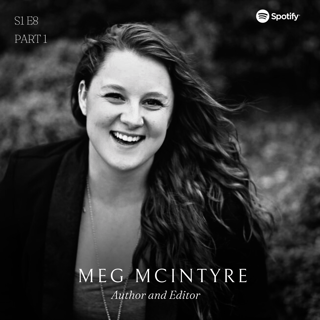
Speaker: Now if you had listened to the previous episode, which was episode 8 part 1, you will know that this week I decided to do part 2 of that episode.
Speaker: So it is essentially episode 9, but it is part 2 of the
Speaker: um our time with the lovely mcmcattire and uh yeah what i planned on doing for this episode was uh doing a live q a so um that would be based on uh questions that uh you submitted to me um on instagram and on twitter and uh yeah in this episode we uh read them out and and really dive into them so um yeah if that sounds like fun um please do stick around for that and yeah i hope you enjoy the episode
Speaker: This is the Crime Board Podcast.
Speaker: You're listening to the Crime Board Podcast.
Speaker: This is the Crime Board Podcast.
Speaker: With Sam West.
Speaker: So we are now coming to the part of the show where I read out some questions.
Speaker: So as promised in my newsletter and also on social media, I promised to read out questions that you, the audience, had for Meg, which is very exciting.
Speaker: Yeah, and we've got a few.
Speaker: So Meg, if you're ready, I'm going to throw them at you.
Speaker: Yeah, let's do it.
Speaker: Right.
Speaker: So most of these I got from Twitter, a few of them I got from Instagram.
Speaker: So the first one is at the unpaid author wants to know, I've written my novel, but the idea of approaching an editor is really intimidating.
Speaker: I also don't know what type of edit my novel needs.
Speaker: What advice do you have?
Speaker: Yeah, I feel like this is such a common problem because as I said, it's really not very transparent from the outside in terms of how this process works.
Speaker: So I would say first thing, it's totally valid for you to be nervous or a little hesitant about this.
Speaker: It's, you know, something you've been working on for a very long time.
Speaker: So no one blames you for sure for feeling a little bit scared about doing that.
Speaker: But in terms of kind of not knowing what style of editing you need, I think the first step is to do a little bit of research, start looking around online to try to get an understanding of what those phases of editing are.
Speaker: We've talked today a little bit already about developmental editing and line editing and copy editing.
Speaker: And so first, I think just try to familiarize yourself with that.
Speaker: There are so many great resources out there that can give you a little bit more of an in-depth look at what each of those processes look like.
Speaker: But beyond that, if you look at those definitions and you're still like, I'm not sure, I really don't know what I need, I think it might be time for you to work with beta readers.
Speaker: I think some authors are a little unsure about when in the process this should happen.
Speaker: And it does vary depending on who you are and what you're looking for out of the beta reader process.
Speaker: And I think some authors are also a little bit scared about sharing their work potentially with strangers and maybe the risks of that in terms of ideas being lifted and things like that.
Speaker: So that's all valid, but it can be really hard to know when you've been working on a draft for so long and you've been so deep in it for so long.
Speaker: It can be really hard to know without that outside feedback what the next step should be.
Speaker: And that's where beta reader feedback can be really helpful.
Speaker: So if you feel like you're at a point with your draft where you would feel comfortable sharing it with someone, I would say start looking for
Speaker: beta readers that you trust, whether that's, you know, people who are already in your writing community, something where you do kind of an open call and vet people based on their answers to certain questions, things like that.
Speaker: And make that one of the things that you would like their feedback on.
Speaker: What kind of work do you think this book still needs?
Speaker: Is it more on the content side?
Speaker: Is it on the language side?
Speaker: To kind of start to give you that little bit of a sense of what might be the next step.
Speaker: If that doesn't feel safe or okay, that's all right too.
Speaker: Your other option is that many editors offer what's called, you know, sometimes it's called a manuscript evaluation or manuscript critique.
Speaker: And this is basically a very pared down version of a developmental edit, but with the goal of helping you decide what services you need.
Speaker: So we're going to be looking at the book
Speaker: from a really sort of zoomed out perspective in terms of how is the content, how is the language, how's the arc, how is the voice, and giving you some generalized feedback about that and letting you know what other services might be in order.
Speaker: Not every book necessarily needs to go through developmental editing.
Speaker: If you have been studying writing craft for a very long time, if you feel confident in your story, it might not need to.
Speaker: But I do think for most
Speaker: brand new in the authors, it can only benefit your book.
Speaker: It may not be in your price point, so that's another thing to consider, but a manuscript evaluation can be kind of a good alternative then because you can get kind of a professional opinion on where the book stands and you can get some feedback at a developmental level, even if you're not able to sort of dive into that deeper edit.
Speaker: So those are a couple of things that I would suggest in terms of like figuring out the next step.
Speaker: And when it comes to, you know, feeling nervous about reaching out to an editor and not quite being sure how to find one, I think it's a process that you sort of just have to jump into.
Speaker: But you absolutely can and should take time figuring out who is a person, like I was saying earlier, that feels safe to start wading into that with.
Speaker: And absolutely feel free to reach out to multiple editors, maybe interview multiple editors.
Speaker: A good editor is never going to be upset at you for looking at your options and really doing your due diligence and making sure that the person that you end up signing with is the person that you want to work with.
Speaker: It's a little bit of a situation where you kind of have to leap and let it be scary a little bit like that.
Speaker: There's never going to be necessarily a moment of clarity where you're like, okay, I'm doing the exact right thing with my book and like everything's going to be wonderful and I'm going to sell a million copies.
Speaker: Like it's,
Speaker: It's going to be scary kind of no matter what, but I think if you want to ease into it, definitely try beta readers, see what kind of feedback you get from them.
Speaker: Or alternatively, you can try the manuscript evaluation and go from there.
Speaker: But it's ultimately going to be up to you to make that decision.
Speaker: So I hope that's helpful.
Speaker: Yeah, thank you.
Speaker: Yeah, I learned a little bit now as well.
Speaker: So thank you for that.
Speaker: Yeah, that was very helpful.
Speaker: And I mean, most of us at this point, or even if we haven't, but I mean, at some point, we've all been there, or at some point, we will all be there.
Speaker: It's scary, you know, obviously, it's scary at first.
Speaker: But once you're over that initial hurdle, and you're ready, ready get into it with your editor or designer, or whoever it is that you're working with in the industry,
Speaker: you know, you, you began to, to build a relationship.
Speaker: And I think, yeah, as we said before, that is important.
Speaker: So it might be scary at first, but it's one of those steps you just need to take.
Speaker: And once you've done that, you'll realize it's actually not so bad.
Speaker: Exactly.
Speaker: Yeah.
Speaker: And that's how most things are.
Speaker: Like if it's, if it's scary, it's probably an indication that it's something you need to do.
Speaker: So, yeah.
Speaker: Yeah.
Speaker: yeah so our next question is from at mj author on twitter so she wants to know when sitting down to work with a client and their manuscript what is your process like great question um so i think it varies a little bit depending on first of all the manuscript um and the the client and what sort of service they're looking for so i do offer some one-on-one coaching which is really designed more for people who are
Speaker: still finishing a draft or starting a draft or just trying to figure out where they're going with the draft.
Speaker: And so that's something where it really is a lot more one-on-one face-to-face time where we're just talking through the issues that you're having.
Speaker: I'm there as a sounding board.
Speaker: I'm there to like point out my observations.
Speaker: I'm there to kind of help you realize sort of what is blocking you or what you're struggling with.
Speaker: but most of my clients that I work with, I'm working directly in the draft.
Speaker: So
Speaker: As I said before, every client relationship starts out with an initial consultation where we meet on Zoom and we talk a little bit about your project, what your goals are, whether you're self-publishing or publishing traditionally, and basically what you're looking for in your editor relationship, the things that you feel like you're struggling with, kind of your concerns around getting feedback, or what you're really hoping your draft will look like when you come out of the process.
Speaker: And that kind of helps us get on the same page of what you really need and what kind of feedback you're looking for from me before we ever get started.
Speaker: And from there, I'll do a sample edit on a short excerpt of the book to kind of show you how I work on the book, how I provide feedback and what sorts of things I'm looking for.
Speaker: And from there, we would, you know, go through the contract process and getting everything set up for a payment plan and that sort of thing.
Speaker: And then essentially, like once we're ready to start editing, the author hands the draft to me and their job is to not touch it again until the
Speaker: They get it back.
Speaker: Um, because I think it can be really hard when you've been working on a book for so long and you've been so deeply immersed in it.
Speaker: It's really difficult to just sort of hand it off and, and not go back and continue to tinker with it.
Speaker: Um, but it's really important, especially if we're onto the stage of editing at the sentence level and looking at things like grammar and, and, um,
Speaker: spelling and all that, it's really important that we kind of don't have like too many cooks in the kitchen, if you know what I mean.
Speaker: And it can get confusing quickly if multiple people are making changes and that sort of thing.
Speaker: So while I'm working on a draft, it's, again, it varies a little bit depending on what type of project.
Speaker: But for instance, if I'm doing a developmental edit, my process is broken out into a few different phases.
Speaker: And this is something that we talk about during our consultation and when we set up
Speaker: kind of your contract, but I will be spending a certain amount of time just doing very deep reads of the book and leaving comments with my sort of thoughts and reactions.
Speaker: And then I will be sort of synthesizing my thoughts into kind of different overarching areas.
Speaker: Sometimes I use a book map for that where we're kind of like visually breaking the books down scene by scene.
Speaker: Sometimes I'll use other kind of visual methods and
Speaker: And then all of that gets funneled into an editorial letter that has all of my thoughts with very specific ideas on how to address some of the issues and things that could be expanded on that are working really well.
Speaker: And so throughout that whole process, which can take anywhere from, you know, six to nine, 10 weeks, depending on the length of the book and the complexity of that book, I'm usually checking in with my author every week or so, letting them know,
Speaker: where things are at with the project, asking them any specific questions that I have that would be helpful for kind of tailoring my feedback, you know, clarifying anything in terms of, you know, their plans for the book or intentions with certain aspects of the plot or the characters.
Speaker: And kind of just reassuring them that things are moving along, that we're making progress and making it so that they don't feel like they're just like waiting in a glass bubble and not knowing anything.
Speaker: Oh, yeah.
Speaker: Yeah, because it's hard.
Speaker: It's so hard to just wait.
Speaker: And so I really try to be as communicative as I can with my authors while I have their manuscripts so that they still can feel like part of the process, even when I'm working on the draft independently.
Speaker: Um, and that's helpful for me as well, because there are times, you know, I tend to other than that consultation where we talk a little bit about their goals and their vision, I tend to kind of go into a draft
Speaker: blind for lack of a better word other than with the sample edit because I want to get a sense of what my first impressions are as a reader.
Speaker: I want to understand how a reader who's coming to this book having only read the back cover might be receiving certain things.
Speaker: So a lot of times I'm not asking a ton of like nitty gritty questions before I actually get into the draft.
Speaker: But once I finish that first read, there might be things that I need clarification on to help me sort of figure out what direction we need to go with certain aspects.
Speaker: So that's kind of the communication.
Speaker: And then once I've completed the edit, I send everything back to the author.
Speaker: And then that's when we will set up another call for them to, after they've had the opportunity to kind of read through all the feedback, because it can be very overwhelming.
Speaker: There's a lot that comes with the developmental edit.
Speaker: Once they've had the opportunity to kind of let that all soak in, we have another call where we get to talk through whatever else is still on their mind, ideas that they have that they want to put into the next revision or, you know, any feedback that they needed more clarification on or wanted to go a little deeper on.
Speaker: Basically, just a time for us to like hash it out and figure out where you're going next with your book.
Speaker: So that's sort of the process for the developmental edit.
Speaker: When I do a line and copy edit, it's similar in that I'm still following up with the author pretty much every week with questions and things.
Speaker: Like, for example, if there's a character whose name is spelled three different ways in the book, I'll probably reach out and say, hey, which one do you want to use?
Speaker: And those sorts of things.
Speaker: But also just to make sure that, as I said, we're still staying in touch because...
Speaker: like as it is, writing is a lonely thing.
Speaker: We do so much of it by ourselves.
Speaker: And, you know, it's great that we've been able to like build these communities and have opportunities for people to, you know, connect and have more of a like, you know, two-way relationship when it comes to
Speaker: like creating your book.
Speaker: But at the end of the day, it's still just you when you're there writing on the page.
Speaker: And so when you hand it off to an editor, I think sometimes it can feel like that loneliness is like amplified.
Speaker: Like now I'm not even working on my book.
Speaker: Now I'm just like sitting here waiting.
Speaker: And what if they hate it?
Speaker: What if everything's awful?
Speaker: So I think it's really important to keep that line of communication open and
Speaker: kind of make sure the author knows that like I'm in this with you.
Speaker: I am right here with you.
Speaker: I am inside the draft.
Speaker: I am wading into the weeds with you and like we're going to figure it out.
Speaker: So it really is based on that relationship building.
Speaker: I also think it's really important that I show up for my authors publicly.
Speaker: So I always try to, you know, whenever an author has a release out, I'm going to share it on my social media.
Speaker: I'm going to
Speaker: you know, shout about them and tell people how much fun it was working on their book and make sure that they know that when the project is over, that doesn't mean that our relationship is over and that I'm still going to be here to support you in whatever way I can.
Speaker: Even if you don't decide to come back to me for another book or whatever it may be, like, if I worked on that book, I'm going to be a champion for it moving forward.
Speaker: So,
Speaker: I love that.
Speaker: I really, really love that.
Speaker: And that really shows, you know, that, that personal relationship that you have and the fact that you actually care about, you know, not only the work that you're putting out, but the author and their needs and their novel and characters is really important.
Speaker: So I absolutely love that.
Speaker: Thank you.
Speaker: Thank you so much.
Speaker: Yeah.
Speaker: I definitely think that that will help.
Speaker: Again, I've learned things that I didn't know about.
Speaker: So making notes.
Speaker: Yeah.
Speaker: Awesome.
Speaker: Yeah, that's really, really cool.
Speaker: So final question from James 27.
Speaker: He says, I've seen on Instagram that you've attended a few gateless writing sessions.
Speaker: Could you please tell us what that's about?
Speaker: Yeah, thank you so much for this question, James.
Speaker: I actually love that I get to talk about this.
Speaker: So I spoke a little bit earlier about how for a really long time I...
Speaker: struggled with my creative voice and feeling like I didn't have anything to say.
Speaker: And that also meant that it was difficult for me to share my writing, which might be counterintuitive because I was a journalist.
Speaker: So my writing was getting published all the time in that sense.
Speaker: But like my creative writing, I felt much more protective over and scared about sort of showing to the world.
Speaker: And so let's see, about...
Speaker: A year and a half ago, I want to say, a friend in my area invited me to a local writing group.
Speaker: And I was a little skeptical at first because I've, you know, I've attended a couple of writing groups in person in the past that were just not my favorite.
Speaker: not my vibe or my scene.
Speaker: And it's kind of a scary thing to meet strangers and be writing with them and then potentially getting feedback from them.
Speaker: So I was like, not 100% sold on the idea, but I really trust this friend and he's a writer as well.
Speaker: And so I was like, okay, I'm going to, I'll go and check it out.
Speaker: And all that he had really told me about it was that it was a very positive atmosphere.
Speaker: It was based around like being supportive of other authors.
Speaker: And
Speaker: you know, that's, that fits well with my values and kind of my ethos.
Speaker: So I was like, okay, I'll try it out.
Speaker: And I did not know at the time, but that ended up being a huge turning point for kind of my creative life.
Speaker: And so that writing group that I went to was a gateless writing group.
Speaker: And what that is, is it is sort of a framework and a format that
Speaker: That is really kind of built to help us tap into our creativity a little bit more without worrying about the threat of criticism or rejection that comes with so much of the writing industry, like the publishing industry in general.
Speaker: And so the way that it works is it's based around neuroscience.
Speaker: It's based around kind of like mindfulness and Zen principles.
Speaker: But every session starts out with a meditation or reflection, kind of just a moment for everyone to get into their bodies a little bit more to have kind of some quiet time and like relaxation.
Speaker: And then that moves into a writing prompt, which can be anything.
Speaker: It really depends on who's leading the session.
Speaker: I've had people play songs.
Speaker: I've had people show pictures.
Speaker: I've had people do laughing exercises, like comedy exercises.
Speaker: Sometimes it'll be more of a straight prompt, like write about XYZ, something that happened at this point.
Speaker: And that sort of leads you into...
Speaker: independent writing time where everyone will write on their own for about 20 to 25 minutes.
Speaker: It can be on the prompt, it can be anything else that comes up.
Speaker: But the idea is that you want to just let whatever comes, come.
Speaker: Don't be backspacing, don't be scribbling out, like just let the words flow on the page however they flow.
Speaker: That's really difficult, isn't it?
Speaker: It's hard.
Speaker: It's hard.
Speaker: But that's part of the reason that it incorporates that meditation or reflection because the hope is that we're going to get in touch a little bit more with like –
Speaker: our visceral feelings and like our intuitive urges rather than like rational thought.
Speaker: So instead of sitting down to say like, I'm going to write a story about a dog who robs a bank.
Speaker: But instead of like sitting down with a rational thought to say you're going to write that story, the idea is to like sit down and kind of let your creativity lead you.
Speaker: which can be really empowering.
Speaker: And so then after that 20 to 25 minutes, there is a feedback circle.
Speaker: And this is really what Gateless is all about is the feedback portion.
Speaker: And I think that's like what makes it scary as well for a lot of people, but it's also what makes it really innovative.
Speaker: And so the idea of it is that everyone has the opportunity to read the writing that they've just written,
Speaker: But within the circle, you never are going to explain your work or give a disclaimer.
Speaker: Everyone knows that this was just written in 20 minutes.
Speaker: It hasn't been through any editing.
Speaker: It hasn't been through any deeper thought.
Speaker: This was something that was created in the moment through improvisation.
Speaker: And so when you get up to read, you are just reading and letting it exist how it exists, which is also really empowering.
Speaker: It can be difficult to get up and read something and not say,
Speaker: This isn't finished or it's going to be much better.
Speaker: But when you do, when you actually are able to like suppress that urge to make excuses for your work.
Speaker: it helps you kind of see like, actually, I don't need to make those excuses because this work, like, it is what it is in the time that I've had to create it.
Speaker: And so then with the actual feedback session, Gateless has really specific guidelines around how we talk about the work and how we talk to each other about the work.
Speaker: And the goal with that is to kind of like
Speaker: First of all, create that safe space where we're not worried about rejection or what people really think, but also start to help us separate a little bit between the work and ourselves.
Speaker: Like we've talked already today about how writing is such a personal and vulnerable thing.
Speaker: And that's what makes it difficult to share.
Speaker: And so when we do share, it can feel like if someone has an opinion, that it's also an opinion of like who we are at our core.
Speaker: But the reality is that like as much as our writing comes from us and is deeply connected to us,
Speaker: It can exist outside of us without having anything to do with our like worth as an artist or creative.
Speaker: And so like that's the point of these guidelines.
Speaker: So one of them is that when we're commenting on a work, we're never addressing the author directly as you like, oh, I really liked how you did this.
Speaker: Instead, we're talking about either the narrator, the character or the author.
Speaker: We're looking at the piece.
Speaker: We're not looking at the writer.
Speaker: And that sounds like a simple thing, but it's actually really effective at helping us feel like my writing is not me.
Speaker: But it's still... I think it's really effective at helping us realize that one piece of writing...
Speaker: will never be able to define us and who we are as an artist.
Speaker: And to just kind of feel like it's a little bit safer to listen to that feedback because no one is commenting on us or addressing us directly.
Speaker: And the other and most important aspect of the feedback is this is not a space where we're trying to fix a piece of writing, where we're giving suggestions on it, where we are asking questions about it.
Speaker: The only feedback that we're giving
Speaker: is on things that we found really interesting or powerful or resonant or beautiful in the writing.
Speaker: So it's like,
Speaker: you know, we're pointing out, wow, this was a beautiful image that happened in the second paragraph and then came up at the end, like, this is what it brought up for me.
Speaker: Or I loved this specific character's voice and the way that they talked about this specific subject.
Speaker: Or I loved the reoccurrence of the specific color throughout the piece and what that meant to the narrator.
Speaker: Like, we're really only looking for the things that
Speaker: we love and we think are interesting.
Speaker: And the reason that we do that in a gateless feedback session is because neuroscience tells us that what we focus on and what we emphasize is what is going to grow.
Speaker: And humans, because of how we evolved and back when we had to like worry about predators and those sorts of things, like we are already wired to look for the negative.
Speaker: And that's what can make it so difficult to share our writing because it feels safer to criticize ourselves before anyone else can.
Speaker: It feels safer to say like, well, this is crap.
Speaker: No one else is going to want to read it.
Speaker: I'm just going to stuff it in a drawer.
Speaker: And so by creating this like feedback structure that instead is about for looking the things that are positive, that are interesting, that are really resonating, we're trying to shift a mindset.
Speaker: Like we're literally rewiring our brains to say, oh, look at these things that are really working that I can focus on and I can make even better, that I can expand on, that I can make even more intentional in this piece.
Speaker: But beyond that, like just the act of listening that closely and looking for what we find inspiring in someone else's writing, it's a way of learning and kind of taking in craft in a very organic way.
Speaker: Because if you're in a gateless session and you hear someone do something so interesting in the piece that you're like, wow, I loved the way that they use dialogue in that piece.
Speaker: I love the way that the piece started right off with a piece of dialogue.
Speaker: and then you see that person getting positive feedback and getting sort of supportive, you know, investment from other writers, you're going to feel safer to try it in your own writing.
Speaker: So the idea is that like we're looking for what's inspiring others so that we can start to recognize it in ourselves.
Speaker: So this is like, you know, I know that's a lot of information about what, what gate list is and how it works, but I really have found it to be transformative for me and for my writing.
Speaker: I, I feel so much, I feel so much more able to experiment on the page now.
Speaker: I feel much more able to send my work out, even if I don't feel like it's quote unquote ready, because I think that's important.
Speaker: Like,
Speaker: learning to kind of take rejection and not see it as a reflection of you or your self-worth.
Speaker: Like there are so many things from taking this approach to writing that can start to seep into other parts of your life.
Speaker: And so for me, like once I started attending that gateless group in person and saw how much it was having an impact on my writing, I felt like,
Speaker: really passionate and really kind of drawn to start incorporating it into my own work.
Speaker: And so I attended a certification training and now I lead my own workshops in this method.
Speaker: And that's something that I do on Zoom.
Speaker: So, um,
Speaker: You know, James, if you're out there and you are interested in trying this for yourself, keep an eye on my social media or my newsletter for announcements about that.
Speaker: But I think it's something that people can also incorporate into their writing individually, like experiment a little bit with using meditation or rituals or something that helps you kind of get into that creative mindset.
Speaker: And then when you go through a revision process or you're looking at something you've written, practice trying to look for the things that you want.
Speaker: are happy about, trying to look for the things that excite you that you're like, wow, that's a really great line that I wrote and highlighting those things and really meditating or thinking about like, what did I like about this?
Speaker: What made me feel good about having this in my writing?
Speaker: And it can create such an important shift in terms of like just how we think about creativity and how we think about that need for sort of outside validation and
Speaker: and needing someone to tell us like whether or not our writing is good.
Speaker: And for me, that has made me feel so much more confident in my voice and my ability to share a message and what I really need to say.
Speaker: And I think that's been just such a huge turning point for me creatively, but in my business as well.
Speaker: And now I feel like I'm
Speaker: I'm like a crusader of like, let's get rid of your inner critic.
Speaker: Well, not get rid of because he never fully goes away.
Speaker: But, you know, like a crusader for like, let's move away from that perfectionism.
Speaker: Let's start to move with a little bit more like radical acceptance in terms of our creative journey and understanding that there are
Speaker: always going to be messy bits.
Speaker: Like there's always going to be parts of it that are completely imperfect and that is necessary and beautiful and 100% integral to the process.
Speaker: So that was like a very long tirade, but I'm just really passionate about Gatelist and I'm glad that I got the opportunity to share a little bit about it because I think
Speaker: it has a lot of potential for so many writers to be really, really helpful in, in their journey to kind of feel comfortable with what we've been talking about with sharing and with putting their words out there in the world.
Speaker: So, yeah.
Speaker: So no, thank you.
Speaker: That, that was really, really helpful.
Speaker: Um, and it's also, it's, well, I wouldn't say it's the first time I'm hearing about it because I've been following, um, all your things on Instagram, but,
Speaker: To actually hear about it and hear you unpack it like that is, I think that's such a great thing to have, especially for authors who, you know, they're, again, like I said, unsure about themselves.
Speaker: And I think, let's be honest, I think that's most of us.
Speaker: at a point most of us have looked at what we've done and we're like yeah this isn't gonna sell like this is rubbish but actually yeah yeah yeah but I I love that so much I think that's really important to to kind of to bring that creativity forward in different ways like you mentioned painting and and you know just doing things that kind of make you feel alive it's so so important I think especially as as creative people because most of us you
Speaker: writing is one aspect of who we are, but there are so many other things that can influence that and sort of give you energy when you may feel like you're not good enough or your story will never get somewhere.
Speaker: So yeah, thank you so much for sharing that.
Speaker: Yes.
Speaker: Yeah.
Speaker: And especially when writing is something that you are looking to as part of your income or your professional life, I think it can become so easy to feel like I have to
Speaker: always be doing this and I have to always be working on a project that's going to make me money or I have to always be doing something to kind of advance my career.
Speaker: But we can't forget that creativity is also like part of taking care of ourselves in terms of like the level of your soul.
Speaker: Like I think it's really important to find those little moments where creativity can just be the act of making something and there's no end result or end products that you're looking for.
Speaker: There's no deadline.
Speaker: There's no like
Speaker: I have to, you know, get a certain reaction to this.
Speaker: I think it's really empowering and really freeing to have that opportunity to say, like, I am creating for the sake of creating and what it makes me feel.
Speaker: And that is just as important as the acts of creating that I do in order to support myself and in order to kind of make a name for myself as a writer.
Speaker: So.
Speaker: Mm-hmm.
Speaker: Yeah, no, definitely, of course.
Speaker: I also think I really like when you mentioned that, you know, you kind of, you write something and you don't sort of spend hours fiddling with it and making sure that it's perfect before you read it out in a circle.
Speaker: For me, that's a big thing because I think most of us have, especially when writing, most of the times while we're writing, which I know is not the right thing to do, but we do it anyway.
Speaker: We go back and we edit or we go back and we reread something that we've just written and we're like, yeah, but that's not going to work.
Speaker: But then actually, there should be time set aside to do all of that.
Speaker: um and I love so much that you mentioned that you know you don't really have time to do that you kind of just have to put yourself out there um in in that group and explain well no not explain but you know just read out what you've written and that's how it is it comes out exactly as as that yeah I think that's so so important um that's something we should we should do more yeah
Speaker: Yeah, and that's a big aspect of it that's drawn from that neuroscience as well, right?
Speaker: Because there have been studies on sort of improvisation and what it does in the brain.
Speaker: And it's found that like when we're improvising and we're not sort of worried about criticism or we're not in a place where we're going to be editing, we actually start to use different parts of our brain than we do when we're kind of in a more rational thought area.
Speaker: like it lights up different areas of the brain.
Speaker: It gives us more access to like deeper emotions.
Speaker: So it's like a really important part of the process to kind of just
Speaker: let that improvisation happen and not worry about perfecting it, as you said, before you let it into the world.
Speaker: And that's really cathartic as well.
Speaker: I think that's part of the reason that, you know, with Gateless, when we share, we read our work aloud because it's like releasing it in a way.
Speaker: Like you're letting it go into the air and you're letting somebody else witness it.
Speaker: And that can be so cathartic.
Speaker: So it's all tied together for sure.
Speaker: And
Speaker: can be really surprising, I think, if you're a person who does tend to edit as you write, which has always been me as well, especially with like when I was a journalist.
Speaker: But it can be surprising to see what can happen.
Speaker: But yeah, I think it's I've written a lot of pieces and gateless sessions that I was so surprised by at the end.
Speaker: And that is just like such a wonderful moment of feeling like, wow, there's like potential in me that I didn't know was there.
Speaker: Yeah, that's exactly why I said I think it's so lovely that that's that's how it works because you don't always do that.
Speaker: I mean, oftentimes what people see is has been heavily edited.
Speaker: But actually sitting down and sharing that on the spot, I think it's, it's really lovely.
Speaker: I mean, we did that when I was still at form school.
Speaker: We had sessions where we had to write a scene or two and literally acted out in front of in front of everyone.
Speaker: And it was really, really scary.
Speaker: It was terrifying.
Speaker: But you realize there are bits in there that you think, actually, that wasn't so bad.
Speaker: And I could use that.
Speaker: And people get to see different perspectives of you that they may not get to see if you hadn't done that.
Speaker: Absolutely.
Speaker: Absolutely.
Speaker: Yeah, so thank you.
Speaker: Thank you so much for coming on.
Speaker: It's really been lovely having you.
Speaker: I was quite, quite scared, not scared, but sort of unsure of like how to approach this episode because editing is not something I know very well.
Speaker: You know, like previous guests have been crime authors.
Speaker: I kind of I know about that, but editing, I don't really know much about.
Speaker: So yeah, thank you so much for talking us through everything.
Speaker: It's been really, really lovely having you.
Speaker: Yeah, of course.
Speaker: Thank you so much for inviting me and giving me the chance to share a little bit.
Speaker: I love having the opportunity to connect with authors and help them navigate this process a little bit because you're right, it's a little intimidating.
Speaker: So I hope that I can help with that a little.
Speaker: And as always, you can find us on Twitter.
Speaker: So Twitter, I'm still figuring out, like I keep forgetting to post episodes to Twitter because I'm not really on there as much.
Speaker: But yeah, Instagram, Facebook.
Speaker: So we're basically on all of those.
Speaker: And yeah, and then hopefully Meg, I'll see you on future episodes.
Speaker: So yeah, thank you.
Speaker: Sounds great.
Speaker: Thanks, Sam.