Transcript
Speaker: Okay, let's get this party started. Ready, Savannah?
Speaker: Awesome. um Thank you for all of our participants. I can see you logging on. We are going to get this started. Welcome to the cultivating leaders webinar. I'm your host and curiosity captain, Nicole Ersig. You may know me from the cultivating leaders podcast. If you're not already a listener, a shameless plug, go check it out. We are taking the conversations that we get to have on the cultivating leaders podcast and bringing them to you live to go a little bit deeper. with four great AFA alumni today.
Speaker: So over the next hour, we're going to hear from four different panelists on their journey from being students in the AFA environment, the skills and ah relationships that they built and where they started from a college student standpoint to the meaningful careers that they have today across all different facets of agriculture.
Speaker: So of course, as always, I will have questions for our panelists, but would love to hear from those of you online joining us today. This is your opportunity to pick the brains of some really great, smart, wonderful people. To get a question asked, please go into the Q&A section here at the bottom of your screen on Zoom and drop a question in Q&A. will then see it and make sure that it gets asked. So you can start popping questions in there now or anytime as we go throughout this webinar.
Speaker: And i I am going to have our panelists introduce themselves. We've got four great people here with us today, and then we will dive right into the question. So Brooke, do you mind if we start with you? Tell us a little bit about you, your background, and then your job title and what you do today.
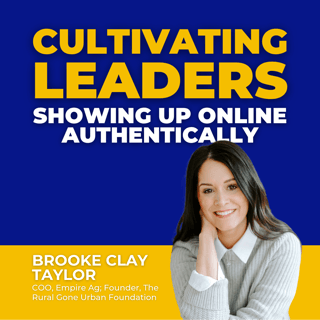
Speaker: Absolutely. Hi, I'm Brooke Taylor. I am from a small town Gore, Oklahoma. I am the COO of Empire Ag. I'm also the founder of the Rural Gone Urban Foundation, and I am still coaching clients at Rural Gone Urban, which is my boutique agency.
Speaker: I got here by way of classic commodity organizations turned into that ad agency life. My job is, I like to say herding cats at Empire Ag. We serve clients all over the country, but my job is cultivating the team that does the incredible work.
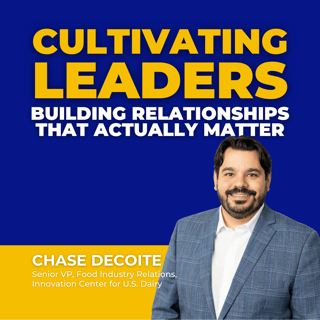
Speaker: Thanks so much, Brooke. Chase, do you introducing yourself? Good thing, and thanks for having me. Chase DeCoyt, I serve as Senior Vice President of Industry Relations at Dairy Management Inc. and the Innovation Center for U.S. Dairy and made my way here through ah various agricultural organizations.
Speaker: Before working for the dairy checkoff, I worked um at the National Cattlemen's Beef Association working on animal welfare programs as well as um animal health and food policy. So it's been a fun career revolving around cows, but in the trade association world, certainly have learned that it's certainly about the people. So look forward to the conversation.
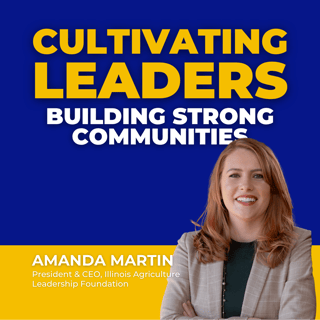
Speaker: Thanks, Chase. Amanda. Thanks, Nicole. Amanda Martin, I serve as president and CEO of the Illinois Agricultural Leadership Foundation. a nonprofit organization focused on building up leaders, which has been most of my career. So we've been around about 45 years. At this point, I have a windy path that Nicole and I have talked about. um I grew up in Illinois, currently reside in the Chicagoland area, but we lived in North Carolina. Alabama, Louisiana, and I worked across both academia and within colleges of agriculture, as well as within public education, but always connecting ag leadership and education in some way, shape or form. Formally had worked with also um the American Ag Board Farm Foundation before making my way to my current role at ILF. I'm excited to be here.
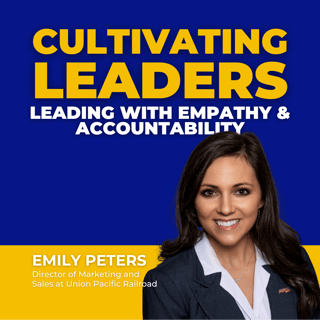
Speaker: Thanks, Amanda. And last but certainly not least, Emily. Hi, yes, Emily Peters and I work for Union Pacific Railroad. I may be a a little unique in the fact of my career path has changed a lot, but all within the same company.
Speaker: So I've been at UP now for 15 years and I've worked in a variety of different roles, both on our marketing and sales side. Now I am the director of sales in our agriculture business.
Speaker: And it's just a pleasure to be here today and an honor to be talking with Amanda and Chase and Brooke. Thank you so much, Emily. Okay, so we're going to kick it off with some reflection. When all of you think back to yourself when you were an AFA student, what is one skill, mindset, or relationship building habit that you started developing then that has become more valuable as your career has progressed? And I will let whoever wants to jump in first take this one.
Speaker: Amanda, I saw you come off of mute. yes I love it, right? So this ah I think the networking piece and being able to just push yourself out of your comfort zone, right? And Nicole and we touched base, we talked about this as well. Just it's okay to be uncomfortable. That's part of the growth process, I think. And so learning this through AFA, I think and the way that they structure programming,
Speaker: You can't hide, right? you're You're immersed in it. They want you to learn and everybody is learning together. And so you find your groups, but it also encourages you to kind of branch out, to look at all these different areas across food and agriculture. And that's something when I work with our fellows, the same thing is we all have our focus areas. Sometimes we get a little siloed within those areas, but being able to network and learn from each other, I think is a very, very important skill and just being that lifelong learner and listening and listening to others.
Speaker: Absolutely. Appreciate that, Amanda. It was pretty cool, actually, as we think about like the AFA experiences, you talk about networking. i was just scrolling through attendees that are on the webinar and was like, oh, hey, someone that I met when I was in AFA is joining us. So great, great feedback. Emily, do you want to go next? I saw you come off mute as well. Yeah, I will just kind of tag on to that because my takeaway or something that I'm still using is also around networking. And I think AFA really fostered the environment of networking, not just networking to get something, but networking as an the opportunity to learn from people and the value of people. And so I've carried that with me post AFA and have learned that you never know when you, um,
Speaker: may get an opportunity from someone within your network, but also who you can learn from. And I actually have people that I met at AFA that over the course of my career had become customers of mine.
Speaker: And so, you know, that was a great kickstart to have a similar background and a connection point. And then also i have friends from AFA that I met 15, 17 years ago.
Speaker: And I know that they're a trusted resource. If I have a question related to the market, um i can call them and and I think that they feel the feeling is mutual and we're able to learn from each other and build on opportunities for for the market in general.
Speaker: you know Emily, you mentioned something about networking because of the value ah that different people can bring to the table. And um one thing that I carry with me and and practice that still... um Implement is is understanding the different skill sets of those that you network with, but um also who you are right understanding yourself your own skill set and how you bring that um to the table, I think, is important, it can really help. um
Speaker: understand your career journey, the decisions that you make, the the roles and the types of projects, um the type of company you keep. Right. And then also understanding that there is no um skill set that is better or worse than they're all unique and together. Right.
Speaker: complementary skill sets can really be empowering. And so I know that I've taken a lot of that that thought process from AFA and continued it on and understanding personalities and skills and putting those together to make really dynamic and powerful teams. And the more you people move throughout their own career journeys, you never know who you might need to call on again, knowing what those those skills are. And so I found it a really helpful way to think about myself and where I take my my career, but also how I show up. Right. What energizes me, what takes away from my energy and and and trying to leverage those things in a complimentary fashion.
Speaker: I love so much that we are saying are really a lot of the same things in different fonts. And because for me, it's also networking. I feel like really early um in my AFA days networking to me felt like I needed to be a collector of people.
Speaker: And as I've grown, while yes, true, it's also to have a village, you have to be a villager. And so I think that is also fundamentally part of AFA is networking. worry less about who you can call and worry more about how you can be helpful to the, to other people. And it always comes back tenfold.
Speaker: Hmm. Yes, absolutely. Totally agree. And one of the things I can't remember which one of it which one of you it was that I talked about, because we talked about networking and ah building relationships across a lot of the conversations on the Cultivating Leaders podcast. Emily, it might have been you where we talked about how often people in our careers and in our journeys boomerang around. And I think about...
Speaker: You know, we we meet people maybe in college or you think about networking as this, I need to build my my Rolodex, but more it's let's build this relationship. And a lot of times when you're young, you think like, I'm never going to see this person again. Maybe I met them at a conference one time or we worked together for a short period of time. And how often the same people in agriculture, i always call it boomerang, but come back into our careers in different phases and stages as we grow.
Speaker: Yeah, absolutely. Okay, so now let's do a little bit of myth busting. What is one assumption about career growth or leadership that experience over time has proven wrong for you? so if you think about yourself, probably back in those college days, what is something you assumed about what your career was going to look like or what leadership was going to look like that as you have put in the work and the time has maybe panned out differently or you've learned like, oh, that wasn't quite what I expected?
Speaker: I absolutely thought about my career trajectory being very singular and that there was only one clear direct path and that was up.
Speaker: And I found that it's way more fun if there are side quests involved.
Speaker: i think it's also a misnomer when you're younger that, that, Leadership, and and I think sometimes it's semantics built into corporations and companies, leadership, if you will, is, you know, title based or, you know, on an org chart.
Speaker: um And you can lead in different ways at every point of your career, whether you are leading a project or a team um and, you It can even be recognized by those individuals that might be at different levels of the org chart um that you are a leader. It doesn't necessarily mean that you have to have a team of people around you, right? there There's individual contributors that are massive leaders in their space, in their industry. And sometimes it's not within their organization, but they or they sit in their organization individually.
Speaker: because they're a leader of a topic or a subject or something that they, you know, bring value, not just to that organization, but to an industry or to a ah specific specific scope. So I think always think of yourself um and take an opportunity to lead no matter what seat or position you're in.
Speaker: Yeah, that's so good. You don't need a title to be a leader, right, Chase? Yeah. And I think AFA and the people who are involved with the AFA, they reflect that really well and understand what it means to be a leader individually and, you know, attacking um situations or problems and looking at how can I best support this situation. and And so I would agree with that, Chase. I was also going to say, and I talked about this in the podcast, when i first started,
Speaker: I thought that the best leaders always had the right answers. And I worked with a ton of leaders who were crazy smart. I still do. And, um, my initial perspective was like, wow,
Speaker: they know everything i need to study everything i need to know the answer to every question and over time i've learned that really the best leaders are the ones that take the time to listen and to ask questions and it's not so much what you know but how to find out what you need to know
Speaker: Emily, I love that. And I would echo very similarly and also say that some of the best leaders are the ones that are self-aware enough to know what they don't know.
Speaker: Right. And then they're strong enough to build the teams and trust the teams um that do know. Right. I've always found the best leaders um that I've worked with, if faced with a question, will immediately say,
Speaker: I'm going to point to ah my teammate or somebody on the team that knows that and bring them right up on stage to talk about it. Right. They don't gatekeep. They don't wait.
Speaker: um They trust who they have around them um because they've built the team to complement what they do and don't know. Yeah, 100 percent. I agree with what everybody's saying on here. i think, Brooke, in the beginning, you talked about it it wasn't a linear path, right? In my mind, I'm like, oh, I'll achieve this. And then I'm going to feel really good.
Speaker: And then I got there. And I'm like, okay, well, what's next? And then you just keep going. and then sometimes you have to rebuild yourself. And Nicole, we talked about this too. I spent a lot of time in academia. I was an assistant dean. and I'm like, this is all I want to do. And this is, and life happens, things happen. And then I came out of academia, went back into the industry side, went into a nonprofit sector, but I had to start back over.
Speaker: And so i was like, here I had done all these things, achieved a PhD, thought everything was moving right along. if you would have told my college self that, I'd been like, there is no way, right? Like this weird pathway. But I think humbling yourself and being willing to learn. And it's exactly what Chase and Emily are saying as well, listening and learning from others. You don't have to have all the answers.
Speaker: but you surround yourself with good people um and you're a good teammate. Whatever your title is, like be there, be in And again, humble yourself and be willing to listen and grow throughout your career.
Speaker: Yeah. I'm glad you brought that up, Amanda. And again, pointing back to the podcast for anyone who hasn't listened to the episode, but the conversation you and I had around it being okay to pivot in your career of like, okay, you get to a certain spot or as Brooke, you said, you like, you thought the only way was up. And sometimes you get to that spot and it's like, oh, maybe I want something different and it's okay to change mid-career or at certain seasons or different periods of your life.
Speaker: Great. Okay. So shifting gears again, i'm curious, what is one thing each of you are doing differently today because agriculture itself is changing and this could look different for all of you across the different roles that you have in agriculture of, of how agriculture is changing. So I'm curious from your guys' standpoint, what, what change you're trying to address, but what is one thing you're doing differently today because the world of ag is ever evolving?
Speaker: That's a tough one, Nicole, because it changes. Yes, it changes so fast. I think, you know, I'm at so Women in Agribusiness Summit this week and a theme that we have talked through, like AI and how you're utilizing this technology. And I think it's going to dictate so much of what we do, but also making sure it's safe. You're using it the right way. You're still your creative self and driving that, but use it as a thought partner. And so with our program, with Illinois Ag Leadership Foundation, that's one of the pieces that I really want to work. with our fellows on is how to embrace this technology in the right way because it's not going away, right? And it's such a change. I think it's a change from what we've all been used to, but how can you leverage those tools?
Speaker: Again, five, 10 years ago, you i don't even think any of us were really thinking about this, right, as this resource, but we had a whole presentation talking about how you can do 10 times the amount of work not Do we need to, I don't know. I don't know if that's a good thing, right, or not. Like we're always on all the time. We're always connected. You can find everyone via email on your phone that's connected to you, but how do we leverage that? So that's something that's always on my mind is just trying to keep up with the technology and make sure we're doing right by providing that education and the right way to support that growth.
Speaker: Brooke, you want to go? I saw you come off mute. For me, it was a little bit about AI as well and the technology and specifically around what we do every day. But it reminds me of, you know, not to date myself, but there were people who were not willing to get on board with social media not very long ago. And I think we can learn by that experience that ah we either embrace or we are no longer part of the conversation.
Speaker: and really, i think AI is a big it is the thing we have to tackle right now and embrace our our structure and allow our our students, those coming up behind us, that it's it's not a curse word to use AI if we're using it in the right way.
Speaker: Yeah, I think when you refer to the speed of change, it's only going to happen faster because of exactly what Amanda just mentioned, right? um It can do more. the technology can do more, can do it faster. And that's the expectation already occurring.
Speaker: um I would differ a little bit in, in as agriculture is changing itself. One thing that, you know, I am cognizant of is how we evolve um our communication.
Speaker: um And I think, In particular, it is becoming um increasingly important to have audience tailored communication and understand that that may not be the same for everyone, depending on what you're looking to see from that. Right. So working in the position that I do, which is, is industry relations, I've got the full, you know, dairy value chain, everything from farmers down to customers that are communicating, you know, directly to consumers and, you know, there's so much action taking place on the farm right now that farmers would love to see, you know, communicated on package and and proof points to consumers.
Speaker: But when you go through that, it doesn't always translate exactly well. Right. So you still need to, to have the messaging that pulls the product demand through and all of that stuff.
Speaker: And so I think um leveraging tools like AI, I've even been able to, to, help flesh out, right? You know, how does, how do we talk to these different audiences and, and, and communicate what modern agriculture is? It's, it's, um, hugely different than, um, a lot of people expect. Right.
Speaker: Um, and so I think we, we all need to be cognizant of that and, and aware of how we're showing up within, um, AI. So, um,
Speaker: take ah Take a look at that just when you're thinking about the various topics you might be working on, take a search as though you were somebody else, not yourself in AI and see how it shows up, right?
Speaker: And then work on if that's how you wanna show up because if it's not, there's a lot of legwork that's gonna have to go into to fixing to fixing that narrative because People are no longer going to Google to make the search, right? Well, they are if they're going to Google Gemini and the the AI platforms. but But it's, you know, first place that people are stopping now is ChatGPT, solve it, lay it all out. So I think that's a ah huge difference that has happened for me just in the last 12 months at how how much that's been taken up.
Speaker: I love that, Chase. I just want jump in here. Like thinking of how others see you, right? The audience sees you. Because we all have our narrow vision sometimes with that, but being able to take a step back, and you're exactly right. There's no reason for us not to be able to tailor those messages to the different audiences with all of these different tools and to meet people where they are. i think ah we want to embrace AI, but it's still that personal connection, that human connection. I think it's going to more important than ever. And the way you think of these skill sets, well, now everybody has all of these tools. Anybody can run these different spreadsheets. You can do like all, anything and everything, come up with your project trackers, all of this stuff to help you be more efficient.
Speaker: But what type of communicator are you? And are you able to make that connection? I think regardless where AI goes, those that are going to be strong and those that are going good leaders are all the things that we talked about. They are empathetic. They can connect with people on their team and they have that human connection. The human capital investment, I think will still be ever more present things that we need to invest in as we build up leaders.
Speaker: Chase, I have to say, too I really appreciate even what you brought up and the way that you phrased it to me highlights a change that I've even been seen in agriculture in that I'm sure all of us through our careers have been through many presentations at agriculture ah conferences and things like that, where the message was, we need to tell agriculture story. And I didn't hear Chase say that. I heard him say, we need to communicate. We've got more data than ever, especially in dairy. How do we translate it for the right audience at the right time at the right place? How do we translate it to something on pack or communicating even across and within our own industry and tailoring that message for the right person, for the right person?
Speaker: person in the supply chain, whether that be the consumer or other people. So I, I think even that shift chase is very cool, at least for me as a communications nerd to see and think about in how we can get better and how we're even shifting the conversation ourselves. So sorry, I had to point that out because I love the way that you framed that.
Speaker: Yeah, I think it's also when you say things like tell your story, i think we need to be very nuanced and careful with that, right? If you're telling a story that people don't understand, you could be, it would be as good as telling that story to a wall, right? Like you have to put it in a context in a way that is digestible and it's, um and a story that they're going be receptive to.
Speaker: yeah. Yeah, that's what I loved about what you said is it wasn't about us sharing information with them. it was more about like, what are the the, like, even from a leadership standpoint, right? Like, how can we serve people better with the right information that actually matters to them?
Speaker: and That's smart. Emily, what about you? yeah so and I would say from a transportation perspective, something that I'm doing way more now than what I did earlier in my career is asking people a lot of the what ifs and creating contingency plans and backup plans because this access to information that people have now, i mean, frankly, a tweet or what's it called an X, is it an X? I don't know what it's called, but you know what I'm saying, can open and close a market in seconds. And so from a supply chain perspective, you know, a lot of things can shift really fast and be really nimble.
Speaker: we have to be very nimble. And I just think about how the way that we do business is so different. When I first started my career, people were talking about and this is like the iPhone was just coming up, we didn't have things like apps to track where your shipments were. And, you know, my customers would say when we were developing tools on the internet, they're like, this is so crazy. I used to just ship my real car and, you know, trust that it would get there. And now the marketplace and consumers, they demand so much more information. And so it's definitely been very a revolutionary of how the information that people can get that they want and how it can change markets.
Speaker: Awesome, thank you. I'm gonna shift a little bit before we go into, i know we've got some other questions for the panelists, but we have some individual ones coming in through the chat. So Mary Rose wants to hear from each of you as you transition from college and AFA into your careers.
Speaker: ah What is one thing you learned from AFA that gave you confidence in applying for jobs and starting your first job or positions? And it's okay if your answer is maybe not, but what, what if anything, did you take from AFA that gave you the confidence to move forward?
Speaker: I'll start this. I don't know if this was a specific, it was more of a mindset. And that is, I deserve to be in this room. No one knows anything about me historically, except that I'm qualified to enter this room and that's good enough to be there. And that gave me the confidence to say we're all in the same playing field and I can just show up and that's enough.
Speaker: I love that, Brooke.
Speaker: I would say it's find a way to connect. um I think since this is specific to the confidence in in submitting your resume and all that. Two things that AFA taught me. One, there are tons of opportunities. So not to be discouraged when you're out there that there are ah opportunities you haven't thought of. be creative.
Speaker: Think about, you know, unique players, right? Like, you know, Emily going into to AFA, I would have never thought of Union Pacific and its, you know, role in agriculture, but it certainly does. Right. So it's kind of eyeopening in that regard. But then also as somebody who's had to review applicants in and, and, and, uh, been a part of interview panels, et cetera, finding a way to reach out is so meaningful, right?
Speaker: Even if you don't know, somebody explicitly at the company, if there's somebody that you can connect to or a hiring manager listed, like that independent outreach just shows so much extra effort. And I can promise you it's a very small percentage that do that and couple it with their, um, with their, their resume. And every single person that has ever done that for me or connected with somebody within my company to tell me about it,
Speaker: immediately at least flag that resume that's going to get ah a stronger, deeper look. Right. So find a way ne yeah to to add to that. We have a job opening that just closed last week at Empire Ag and three of the applicants found me on LinkedIn sent a very kind message to connect with me. And I took a screenshot of every single one and sent to the hiring manager. Yeah. Straight to the top.
Speaker: hmm. it it It goes back to what the conversation we just talked about with networking, right? It's AI, all these different things can do great things on paper, but at the end of the day, we're humans. And if you can make that connection, it's going to go so far.
Speaker: and
Speaker: You know, talking about that, thank you. I think that something at AFA, and I'm assuming this still happens with students, but we all wrote thank you cards to people who sponsored us.
Speaker: And I believe that there's still so much value in an old fashioned handwritten thank you card. great And um there's that, that's a thing that we should all carry forward um and try to do it.
Speaker: i try to write a thank you card. I write a thank you card to a soldier every month, but um at least one thank you card a month, at least. But, um and people will say, wow, I can't believe you wrote a card. Like it's,
Speaker: yeah It's such a little thing, um but there's there's a lot of value in that. And to Amanda's point and what she said earlier, differentiating and communicating in specific ways, there are a lot of things from the past that we can carry forward, including writing a handwritten thank you card.
Speaker: And I know recruiting, um when Union Pacific has recruited at AFA, that's something that people always say is, man, those AFA kids come in and we get handwritten thank you cards.
Speaker: It's a lost art, isn't it, Emily? Yeah, it truly is. Those are, yeah, I like to keep those. I keep, I'm I'm not going to say I'm a hoarder. I'm not. But I keep all the special cards, right? And I have them. It's like your little cheer up for the day is on the board next to my desk at home. I think with AFA, one of the things that it taught me was how small the industry really is and the sector really is. And it's so funny to think back to people that were going through during the time that I am and now where they're at in their careers. like, oh, We really didn't go you know so far in terms of separation, but to just realize how small and tight knit the network is, which I think is a strength, you know, and you can follow people's careers and have that long lasting network and impact, which is important. And then I would also say how unique
Speaker: my voices as someone connected to agriculture. And I think that's something that we sometimes take for granted working with an agriculture, but it is iss such a unique perspective. That's something I tell our fellows. And when we spend time in DC, I said, look, you are an anomaly because you have this connection to agriculture. You are unique. You're a unicorn. to come in because you are the expert.
Speaker: You are the person that has that background and connection that most people across our country do not, and you understand it. So leverage that, own that, be proud of it. And again, I think AFA instills those skills and builds that up that you feel that pride and connection across work in any parts within food and agriculture.
Speaker: Absolutely. Great. It's so cool to hear the experiences that we've all taken forward from AFA. And Mary, thank you for the question. Okay, we have another question from Taylor. And this one, Chase, we'll probably start with you. And then I'm curious everyone's answers because Taylor is as well. But she really loved your feedback about getting to know yourself and then building on your strengths. She is curious for each of you, what brings you energy versus what depletes you? And if the panelists could share one thing that brings you energy and what is one thing maybe you've had to learn to say no to because it it really drains your battery.
Speaker: Yeah. um Really appreciate the question and and have kind of done some exercises in this over the last year. um When it comes to my work specifically, um I am an ideator.
Speaker: I like concepts. I like brainstorming. I get energy from being in a room with people doing that. um My team, if they see this, will probably roll their eyes a little bit. When it starts to get into like very minute details,
Speaker: I'm out, like, have a good day. I'm glad the rest of you are very good at that. um No, I mean, it it just requires more. I wouldn't say that it depletes me. It's just, I know where I live now.
Speaker: really um strong and i can bring my full self and i know where i have to tune up my energy right like it's not that it depletes me it's that it requires me to put more there whereas some of my strengths um just don't require very much effort right like they're not they're kind of inherent and that's where you learn kind of about yourself as to um what comes natural and and where you just need to to turn it on a bit. Right. So um that's that that's those are some of the things there. And and I think you can have both. I was was talking about this at a dinner last night at the the meetings I'm at here this week.
Speaker: um And it was kind of a prompt that they gave us at the table. to talk about, but um they, somebody ah called themselves an ambivert, right? Where they um are, okay.
Speaker: I had not heard the term before, um ah but you know, I think a lot of people, what does that mean? Extrovert, like an extrovert introvert. And I think a lot of people put themselves in the one. Okay. Okay. Yeah. And, and I so related because like, I love being around people.
Speaker: until I don't and I just need like to be alone for a small portion of time. Right. And so I thought that that was a really cool way to understand your energy and and just recognizing it even as you go along. It can be fluid. Right. Mm hmm.
Speaker: I think in agriculture specifically in leadership, whether it's AFA, any leadership organization on your campus early in your career, I feel like if I were to ask anyone here, I'm looking at what's your Myers-Briggs, what's your Enneagram? What color are you? What are your needs? What are your values? Where were you on the Colby index? Like we've all taken all of them. So we have a lot more information and data about ourselves than we did when we were 17.
Speaker: And, you know, for me, i now know, and my team also knows about me. If you want me to have my best brain, do not have a serious meeting with me after two o'clock.
Speaker: Don't like, don't even put it on my calendar. I am going to, my ADHD will have kicked in. i will have checked out. That is not where I thrive. But if you need my best effort, you get me at seven am m to one 30 and I can do more than most people. And so I think there's just things that we get to learn about ourselves. Then, you know, the ambient, you know, whether, if I take the Myers-Briggs today, the I and the E it's going to be split 50, 50 regarding just how I was that day. And so that's, that's real.
Speaker: That's real.
Speaker: a great one, Brooke. And I love being able to share it with your team too, of knowing like, Hey, here's, here's the truth about me. I had a, I had a boss who actually had a cheat sheet on how to best work with her. And so when you started working with her, she would give you a document of like, it had some of those things in there about her of here was her preferences. Here's what she believed about management philosophy, that kind of thing. And I thought it was a really cool way to take some of that knowledge, document it, and then put it in a, like, Hey, as we get to know each other, here's a cheat sheet on how to work with me.
Speaker: You know, so we use Slack at work. And so all of the tests are on everyone's ah Slack profiles where they can choose or choose to or not to put it on their profile. And I know have some teammates who will take a screenshot of that and throw it through our internal AI that says, help me work with this person just based on everything available. So there are lots of tools.
Speaker: yeah My organization has an app where we can look up anybody in the organization and it tells you what they bring and what they need based off of their personality profile. And most of the time I don't check it before I'm working with people.
Speaker: um It's like when I'm in the midst of something and either something's not clicking or I feel like they're checked out. You can look into it and be like, all right, like we can, we can get this back on track. I just need to understand where they're coming from and the lens they bring. Yeah, absolutely.
Speaker: That's so interesting. So is that like self-reported chase where people say? no So we all, we have a group we work with. We all have done strengths training and then they gather all of that.
Speaker: And they put it into um this tool um that we we can use. Wow. Interesting.
Speaker: Emily, what have I been doing? Well, I think those are great questions, too. We talked a lot about how we have to be on board with AI and how it can take us forward. And I completely agree with all of that, too. And then also asking those questions ourselves.
Speaker: of asking the people that we're working with, what do you need for me to communicate better with you? Or what what is missing, right? um So AI can help us, we we can communicate like them. but um So i will just tell you what my first thought was to this question. And so mine might be a little bit different, but um What energizes you for me personally, it's the word. And um i am a very faith.
Speaker: i I put a lot of value in my faith. And so in the morning, I take time just to read the word and pray and reflect. And that sets me up for the day.
Speaker: i can tell you if i don't do that and I don't have those disciplines in place, I'm like a wreck by 930 So I just know that about myself and that I really need that ah to bring my best self to the table and to be energized for the day.
Speaker: and then something, i think that something that i um had to say no to, was that the other part? This was just the first thought that came to mind. But I think back early in my career, there was a group of gals that I really wanted to be part of their group.
Speaker: um And they traveled a lot together, they knew everything about what was going on, it was like, the ideal group to be in And I did have the opportunity to kind of be in that group sometimes. And I joined in on some lunches.
Speaker: And transparently, like, they did know a lot about people. And it was kind of gossipy, not kind of, it was gossipy and negative. And I would say negativity is something that that does, I forget what Taylor's word was, but like, oh, depletes energy. And I remember having this internal struggle where I could identify, you know, in my spirit, spirit that this was a gossipy negative environment.
Speaker: And I thought first, well, as long as I don't participate, like it's okay, right. But transparently, i would be drawn into that. And so I had to make the decision of just finding ways to kind of step away a little bit. And I still have relationships with those people. But um just that was something that was hard for me to kind of step away from because I really wanted to be in that group. And and I saw work opportunities from being in that group, but it just was something that didn't bring me energy or i felt like I was being the best person that I could be. So i just had to navigate kind of a way to to to separate a bit.
Speaker: Thanks for sharing that, Emily. I think that can be really hard to figure out of, especially when it's people related. And for someone like you, who is so relational of, Hey, this is, this is a group of people that maybe isn't feeding into me or isn't giving me energy and not that you are in the bridge by any means, but Hey, this is not, not the right friend group for me. So thanks for sharing that. want the hard, hard no to say.
Speaker: Yeah. Amanda, what about you? Yeah, I would say people energize me and people deplete me at the same time. I love people. I have to be around. you i taught middle school science at one point my career and I'm used to like constant chaos and loudness. So I can't work in a quiet environment. It freaks me out. Like there has to be something going on. So I work well in chaos. Yeah.
Speaker: But at the same time, there's I know there's times that I need to recharge my battery. So it's like I can be all in and on. But then I can tell like if it's like week after week of it that I need to like step away and just have quiet. And so I'm learning that more. I think about myself is also coming to home. I want to be my whole self to my family. And being able to do that, not feeling like I have to lock myself away and recharge and not have that time with the family. So setting those boundaries a little bit, I think, is a ah you'll continue to learn that throughout your careers. And then things I'm working on saying no to different things. I think as you continue to move up in whether it be within your community, it's within your organization, volunteer opportunities, all these things, you're going to be asked and you're going be asked.
Speaker: to get involved. Oh, well, you're really great at this. Oh, you know, this seems like a passion project for you. And it's okay to say no, because at the same time, i think as leaders, you want to help as many people as you can. but if you are pouring from an empty cup, you're not going to do well for yourself. You're not going to help those organizations. And so just learning to prioritize and putting something off to the side for a little bit is okay. You can always come back to it. You can always come back to those organizations and volunteer, but just being mindful of your time because it's the most precious resource that we have.
Speaker: Yeah, absolutely. i think that one's hard for for most people is like learning when to say no. I know one thing that helped me was the reframing of when I say yes to something, whether I intend to or not, I'm saying no to something else. So in your example of like saying yes to more work or Or more people depletion time may mean I'm saying no to being present with my family and understanding what the no is behind the yes that I'm saying that helped helped a lot with the prioritization of like, is this my best yes and making sure like okay anytime you're saying yes to all those requests and all those things it's the best one that you can in the moment.
Speaker: Okay, ah if there are any other questions from our audience, please go ahead and make sure you drop them in the Q&A section and I will try to make sure that we get them answered by the end of our time together here, which is coming to a close here pretty quickly. So I'm gonna skip ahead a little bit panelists, if if that's okay. And for those of you who listen to the Cultivating Leaders podcast, you know that we always have a rapid fire section where I always say that our guests try to answer in one sentence or less and I try not to ask follow-up questions. which doesn't always happen, but I know we always get good content out of it. So panelists, I am going to ask you a few rapid fire questions for each of you to answer.
Speaker: So first one, finish this sentence for me. Because of AFA, i
Speaker: have lifelong friends. Love it, Emily. Founded by a place in food and agriculture.
Speaker: expanded my network and still engage with those people today.
Speaker: i am more confident in my skills and my place in the career force. Thank you. All of those are great. Love that. Love to hear it.
Speaker: Okay, ah for each of you, if you could go back, and I think this is one where we say rapid fire, but I'm really curious um what you would go back and tell your younger college age self. You could give them any piece of advice. What would you go back in and tell younger you who is in college?
Speaker: I'm watching. I love Brooke's facial expressions to the questions and I can be laughed. Yeah, okay. The truth would be, girl, that's ADHD and that's an asset.
Speaker: love that i mean
Speaker: ah Your career is not going look like what you expect, but it's still going to be cool and it's still um going to be fun and you're still going accomplish a lot. I would have never known the roles that I've had um existed. um So yeah, go for it.
Speaker: The hard work will eventually pay y off. It's okay to be a broke grad student, you know, at some point in your life and move on. It'll, you're putting in that hard work, building those strong relationships, building that support network is worth it. Those are so good.
Speaker: I would say things are not going to look how you expect. And You're going to do things you never thought that you can't even dream about. And also you're going to have some really hard experiences that you would never want. But lean on the Lord and have fun.
Speaker: You're going to enjoy life and just do the next best thing each day.
Speaker: I love that all of you shared that it didn't turn out exactly how you thought it would. And there's going to be unexpected things, but that ah it's all good from that. and Okay. For each of you, what is one career goal that you are currently striving for?
Speaker: Finish the book. Are you writing a book, Brooke? Am I? oh I mean, it's a goal, you said to say. I love that.
Speaker: Can't wait to read it someday, Brooke. I know, I'll buy it, Brooke. Okay, well, I will let you know when it's ready. Good.
Speaker: I would say, um so this is something that AFA, a lot of AFAers have is fostering that lifelong learning. And um Iowa has a leadership program for the state. And that's something that I want to participate in. Also, I'm very hopeful that eventually the US will have year round E15 and the demand for ethanol and corn to grow. And so I would like to build another ethanol plant within the next five years.
Speaker: Love that Emily.
Speaker: I will say, so with the current organization that I'm in, I plan to be here for a long time. I'm going invest and give back to the state of Illinois because the state did so much for me as I came home recently in the past few years. But for me within our organization, at this point, we have 670 alumni that have been through the program and they're doing so much. They're doing so much within their communities. So my goal is to have the state of Illinois invest, that we are a line item somewhere in our budget that they are investing in what we're doing because we're making the state better by helping these leaders develop and give back in ways that are really positively impacting the communities across Illinois.
Speaker: I'm going to steal one from
Speaker: CEO that shared with me, i shared with a group of us one time, the tip of be where you are. um And it was a very interesting perspective as it was explained to me. and And as I think, was thinking about this question, I was like, I can't define like on paper, what I want to do. And I think that that translates with how a career journey has been unexpected, right?
Speaker: um But be where you are, meaning when I am at work or in a meet, be present, be fully there and all in, in that aspect.
Speaker: But also when I'm with my family and with that to be where I am and be present, and be there for them. And I think that um that was really powerful to me. And it's a goal that I still aspire to, which I think is very hard to accomplish today when your phone can buzz at any given time and emails are coming 24 hours a day. And, and, you know, we,
Speaker: A nine to five workday doesn't really exist in in the world that we're in today. And so how can I be better at being where I am in that moment? So that's kind of a a goal I have right now.
Speaker: I love that. i really enjoy the big lofty ones that were shared and then Chase yours of just being where you are because they're all varied, but all very important. um And Chase, it's really interesting for anyone else who listens to the Cultivating Leaders podcast. We have had several, i would say like high level executives talk about the importance of sometimes in seasons in their career, doing exactly what you're talking about, Chase, of like, hey, I just needed to enjoy where I was at and not focus on the next thing. And that's what helped me get to that next level. So I love that you shared that as your goal.
Speaker: Awesome. Well, I know we do have at at least one more audience question and just a few more minutes. So if anyone else has a question, make sure you get it in. um Jody is asking each of you, we've talked a lot about building relationships and the value that they bring throughout our career journeys. Can you share one tip to help someone who is struggling to build and maintain relationships early in their career?
Speaker: I'll turn in because i saw this question and i I thought about it right away. find your tribe. um And I mean that by like, find those that, especially early in your career, empower you, boost your confidence, are the people you can go to and be confident, confidants in.
Speaker: I still have probably four of those foundational people in my phone that I am constantly talking to. And all of us now no longer work in the same place.
Speaker: We are all spread out, but we still, lift each other up in different ways. It's really cool to have that. If people do not lift you up and you are struggling, it's likely because that is not the right people for you to be around, right? They're taking too much of your energy.
Speaker: Find the people that um lift you up and you'll find them, right? Just and and cut loose those that don't quickly. I think you talked about that, Emily, right? Like you had to say no to a group you thought was going to be helpful.
Speaker: The evolution of coworker to almost your board of directors, your personal board of directors is a really fun thing as you grow older to know that I no longer work with you, but we have a group chat that's going to live on forever. And that's really exciting. I would say one um tactical tip that I believe is helpful. It sounds really silly, but as we get older and our plates get more filled and we have more things where we're volunteering, um not a work calendar, but a calendar that will stay with you as you change jobs, use it to your advantage and put key things on it for people who need
Speaker: so who who are important to you. Maybe it's the anniversary of when their their parent graduates to heaven or whatever it is. Those things like, you know, you think about them three days later, but what if, you know, you had ah had your own little data center for the people who are important for you?
Speaker: i love that. That's so good. Brooke, that was going to be mine. So when I was an undergraduate and he's still, I still communicate with our Dean and he was a strong mentor for me. I was a first gen college student. Like he helped make sure i stayed on the right path while i was there and then kept in contact with me. But I always knew what season he was going to be calling. Like March was the call time that I was going to get a message. I was going to get something, but he would keep this calendar exactly what you're talking about. And it was like,
Speaker: He had his people, he had his mentees that he was gonna still check in you know, 20 years later, like still check in on these people. And I did the same thing. So I think about all these different people I've crossed paths with and former students and colleagues.
Speaker: of different chapters or seasons of your life, but making that a priority. Because at the same time, like that's going to make you feel good if somebody makes you a priority in that way. You may not talk to that person for six months, but then there's just a check-in. And it can be as simple as a text message. It can be a LinkedIn message, but just investing in others. And I think that helps strengthen those relationships, but lean into those. We all need those strong relationships to build each other up.
Speaker: So good. I love the question and hopefully someone else will put in some questions because questions are so fun. um But I would say i have a couple of different things. One, don't be afraid to talk to people. um And maybe that's part of the question, like struggling to connect. um I think just remembering that people are people and people are interesting and we don't have to be afraid to ask interesting questions and um be bold about questions like i will ask people what do you think made you this way or um trying to identify a strength that they have and ask them
Speaker: what What gave you that skill set? Or sometimes I'll just ask people, what's the hardest thing you've ever been through? And ah usually people will be like, whoa, because society in general, i think is not used to always having those questions. But if you're willing and genuinely interested, people are willing to share and that creates connection.
Speaker: The other thing i was going to say is be frequent about speaking life and positive things about people. When people have a bad experience, they're very quick to share the negative or what made them mad or share on the internet, the bad experience or bad review that they had.
Speaker: And i would challenge people to make sure that not only are you sharing the positive experiences the same way, but even more. and um,
Speaker: I think sometimes people can feel reserved about sharing compliments. And so I think if you think something good, don't be afraid to share it.
Speaker: Oh, so many wonderful nuggets of wisdom dropped there. Thank you all so much. Well, we have just a couple of minutes left, so I want to open it up panel to each of you to share any final thoughts, pieces of advice or words of wisdom with our audience today, as we've covered many topics about leadership and agriculture, or your careers from your AFA experience to where you are now. Any final thoughts as we wrap up today's webinar?
Speaker: I think we covered so much, Nicole. ah with It gets me excited. Again, anytime that I'm plugged in with an AFA event, it it brings back those good memories. Take advantage of those opportunities. I think AFA is such an amazing organization. There isn't anything like it. And so take advantage of that network and lean in, ask questions. Anybody that you interact with, I think across the company base that are there and supporting, alumni base as well, that people want to help you. And so Reach out, ask those questions, all the things that we've been telling you. Do not be afraid.
Speaker: People want you to ask about them, ask about their journeys and same thing, they'll pour into you and help you make those connections. And so be bold with it and just really lean into the network that AFA provides.
Speaker: Thanks, Amanda. When I think about the people that I've met through AFA, I feel like I can genuinely say I've never met a complete dud.
Speaker: And I mean that by saying like, if you're involved with afa you have talent and value and, um, don't diminish what you're capable of doing. And, um, I would just also challenge you to ask the question of how can i serve someone else today? and um,
Speaker: that'll That'll suit you well.
Speaker: I would say to bottle up that energy that you get when you are at AFA and immediately after. And think of that because sometimes you'll need to draw on that energy at different times.
Speaker: um In your life. um And um it can fuel you and make you feel um confident enough to make changes when you do. So I would say don't be afraid to decide something different. Make a change. If things don't feel right, you can do that. You have the tools. um You are a leader.
Speaker: There are people that recognize that. Be confident in yourself, be confident in your skill set and know that in the right place you will be valued.
Speaker: I don't know that there's anything I could add on top of any any of this. This was great. Thank you. You all have shared so many wonderful nuggets of wisdom and we are going to wrap this up. Thank you. I am so energized by even just getting to facilitate this conversation. and I think it's a very cool time to have it as we celebrate the 30th anniversary of AFA and to get to talk to so many wonderful AFA alumni. i remember Russ Weathers telling me a story about some of the first students that were involved in AFA. And he said they described themselves as they wanted to be and be around others who were seekers. And so those who were looking to grow, looking to be better, looking to learn more. And i think this is such a good example of how, um you said, Emily, you've never met a dud, but so many wonderful people who are seeking to better themselves, better agriculture and, and serve others in, in wonderful ways. So thank you all for coming back and sharing your wisdom. sharing your knowledge with us. I've been energized by it and inspired by it. i know our ah anyone who is listening, whether you're here live with us or or on the replay has as well. So thank you all for joining us. And again, if you want to hear more from any of these panelists, catch their episode on the Cultivating Leaders podcast available wherever you get your podcasts and stay tuned for more episodes with industry leaders and change makers.
Speaker: Thank you all and have a wonderful rest of your day.