Transcript
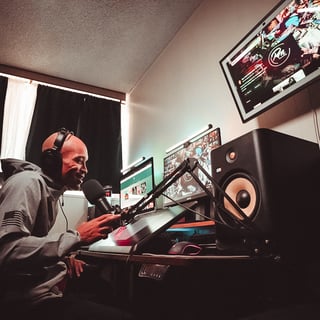
Speaker: Greetings everyone, I'm Robert Moore and today I'm standing right in the middle of a film set that shouldn't technically exist. 80%. That is the number of film jobs that have vanished from the island since 2019.
Speaker: For most people that sounds like the death of cinema in Hawaii, but for a growing network of local filmmakers, it's just a change in currency. Today on the podcast, we're looking at a Honolulu filmmaking community, a survival strategy built on barter, community, and the refusal to let local stories go untold.
Speaker: I'm here with the crew of Stained to find out when the money leaves, how does the art stay, and how do we keep going? I'm sitting here with Sebastian Williams. Hello, thank you for having me. Thank you for being on the show. She's the social media manager and content producer for this project, meaning she's the one responsible for turning this behind the scenes effort into the digital currency that helps a volunteer crew build their brands.
Speaker: Sebastian, with the industry shrinking by 80%, why is it more important than ever to stop waiting for studio permission and just start filming? Yeah, i think that especially as students trying to start out in this very large and intimidating industry, it's easy to get stuck in that mentality of waiting for approval from someone else or someone higher up, um when really that's one of the reasons for the industry shrinking.
Speaker: um It's up to us to actually go through with um these projects and make them happen when resources allow, because it can get stagnant and become a larger issue of the dry industry here in Hawaii. Yeah, like that DIY spirit is inspiring, but it isn't free.
Speaker: Equipment and time are expensive. And on a set like this, how are you navigating those high costs? Can you give a specific example of how you guys barter or share your gear to get the job done?
Speaker: So actually a lot of the gear comes from different members of our crew here on Stained um very generously. a lot of the camera equipment is from our DP grant and those are his personal um equipment pieces and that obviously helps a lot with the high cost and another fun example is our super high-tech deity slate which is really fun and um it's being lent to us by a friend of the cruise and it just um it's really nice to have generous connections and friends that can help each other out and yeah make things happen
Speaker: It sounds like the gear is only half the battle. The other half is the people holding it. How does this creative community serve as a safety net for filmmakers who might otherwise leave for l a or Atlanta?
Speaker: ah Yeah, I think it's really important to be making connections in this time of being a student where we have opportunities to work together. and make things together because these peers are the ones um who could possibly continue to work alongside us in the future in Hawaii or elsewhere. And it's time to really build our network and build connections because that's how this industry runs.
Speaker: And for those who stay, these sets are becoming more than just a job site. How does this project function as a real world classroom that the traditional industry no longer provides for local talent?
Speaker: So it's not often that there are projects in the traditional film industry that'll um hire crew or welcome crew with little experience or sometimes no experience. um A lot of us are in it for the the learning experience and really gaining knowledge from each other and bringing projects together that act as a um learning hands-on experience while creating something beautiful is super cool and it really helps everyone out.
Speaker: Just for a moment, I want to pivot to the story itself. Sebastian, we talk a lot about the Honolulu blueprint and filmmaking community as a business model, but there's a deeper value here.
Speaker: What is the one thing the local community needs to know about the value of these independent projects, even without those big Hollywood tax credits? Yeah, I think that even though these projects are a lot of times um for school um and the crews are made up of volunteer peers and students, they need to be taken seriously because these are the future filmmakers and these are the people actually putting effort into learning and gaining experience so they can one day be your Hollywood big shots or just your local filmmakers following a passion and making a difference and telling those stories that need to be told.
Speaker: So really, it's it's about more than just the economy. It's about representation. Most movies about Hawaii are made by people from somewhere else. How important is it that we are the ones behind the lens telling this specific story?
Speaker: So actually growing up in Hawaii is an experience that um no one that hasn't grown up here can really replicate or pretend. um It's a different perspective to have movies made by people who live here and are from here um because it sets a level of relatability and realness and um others can relate to it that are from here and it really hits home for them.
Speaker: And when those stories finally hit the screen, they have a specific audience in mind. When staying is finished and shared with the community, what is the one thing you want a local kid in Honolulu to feel when they see themselves or their home on screen?
Speaker: I want them to feel that it is possible for anyone to pursue their goals and passion projects. You don't need approval from Hollywood or big professionals. ah You can do what you're passionate about and tell those stories, even from being from a small place with a very small industry.
Speaker: As we wrap up here on set, let's talk about the long-term impact of this work. What does it prove to the rest of the world when a small, independent crew in Honolulu pulls off a high-quality film without any outside help?
Speaker: I think it proves that it's really about passion and drive, not budget or approval. um There's solutions to everything, and there's ways around making a product that you want with just what you have, even if that's not so much.
Speaker: So it proves it's possible, but we know it's not easy. At the end of a long shoot day when there's no big paycheck waiting, what is the thing that makes you say, this was all worth it in the end?
Speaker: So I think what makes it worth it are the friendships and the connections and closeness that you achieve working on a set with people. Long hours reaching that true film set flow state with your peers on the same mindset is what makes it worth it no matter what the profit. So for anyone listening who wants to feel the same sense of purpose, what is your advice for just getting started with the community around them?
Speaker: My advice is to get yourself out there, get to know people, um really show up and don't cut yourself short thinking that you have no experience or anything to show. um Showing up is the number one best thing you can do in this industry. And that's how you can make connections and get um yourself out there.
Speaker: So that's all we have time for today. I want to thank Sebastian Williams for being on the show. She is the social media manager for the film Stained, proving that while an 80 percent industry contraction is a challenge, it isn't an ending.
Speaker: It's a clear that the Honolulu filmmaking community isn't just about saving money. It's about saving our stories by trading dear time and talent. These filmmakers are creating a self-sustaining future that doesn't need a Hollywood budget to exist.
Speaker: I'm Robert Moore. For more on the Honolulu Creative Network, including my full investigative report, visit my website at the link below. Thank you for listening and keep on filming.