Transcript
Speaker: You know, we have more over deaths from overdose of opioids than we do car accidents in this country. It's astronomical. And a substance provides a service. And, yes, that service is shitty um and it gets shittier, but it did provide a service, especially initially.
Speaker: know, you start taking an amount and you will get tolerance. That is just how these drugs work. And it will not do the job that it was doing when you first started taking it. So you will need to increase it to get the same effect.
Speaker: And that is a like, there is no top to that mountain. but becomes this like unwanted wanting or this um disliked wanting and you hear patients say I don't i don't want to you do this anymore, I don't want my life to be like this anymore. Our primary kind of top of the pyramid requirement for people is we need to keep you alive.
Speaker: I could block somebody's, I could block all of your opioid receptors, give you tons of ah gabapentinoid. youre so you can still have pain.
Speaker: hey came off his long-acting buprenorphine and he was like, I'm not bothered by my pain anymore.
Speaker: This podcast is not personalised medical advice. Consult a health professional before acting on anything discussed. Just give me 30 seconds before we start. Whether you're a clinician wanting better outcomes for your patients, someone living with chronic pain or supporting someone one who is, thank you for being a loyal listener.
Speaker: Most regular listeners haven't hit follow yet. If that's you, please tap it now. It tells the algorithm to show this to more people it can help. And that's the single biggest thing you can do to help me and my guests on our mission to create a world with a little less pain.
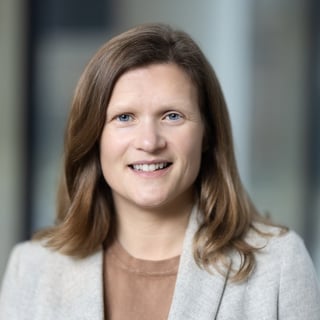
Speaker: ah Dr. Lisa Shelley, thank you for coming on Pain Coach. um You were so great to me when I joined the team at Crownman Clinic. You welcome with open arms and um you're a big advocate of of pain science and um you know physiotherapy which was which was awesome and what I learned about you is that all of your patients love you and I was so and and you probably like oh I can think of this one but on the whole like patients do really love you and it's such a touchy subject that you're speaking to them about when it comes to addiction and um
Speaker: yeah, opioid use disorders and those types of things. How do you go about it with so much grace? I think, I mean, you validate people, right, in their experience, I think, truly before anything else kicks off.
Speaker: um I'm also, I think, because I'm a general physician plus addiction, then like our training is in seeing the whole human, which is really, really helpful in terms of like when we're doing our exams for our clinical cases, we have um one of the things that we are tested on is called a long case. And so you have to get an entire picture of a human and really be trying to work out how do optimise this person's
Speaker: quality of life function you're not just siloing into their medicine or you're truly trained to see them as a whole human being and then with my addiction medicine training I needed to work as a psych reg during that time and physicians are classically really scared of psychiatry um like before doing spike training I wouldn't have even known what antidepressant I was I remember feeling really freaked out about like if you are gonna pick an SSRI, which one and like, how do you know? And just getting really, i think, you know, when you know there's so much unknown, there's just so much fear, which is and like directly correlated to the work that I do now with ah addiction medicine.
Speaker: And when people aren't trained in it, so you don't have this almost like sense of safety as a clinician in the knowledge that you have. and just increasing your comfort with A, the knowledge that you have, the pattern recognition with seeing patients and all of that kind of thing. So I think there's, I have this really, um I'm so grateful for the training that I have actually, because I feel there's not a whole load that I feel really uncomfortable with now. That's so nice to feel that like collective comfort with a patient sitting in the room and something that I think is,
Speaker: you know, so important is like your discomfort directly impacts the patient and their sense of safety. So when you feel really uncomfortable about something, you might respond to that, with, you know, not validating that patient or not taking the time to explore it or, you know, when we were just talking about other people that you've interviewed of, like, it's okay to say, I don't know.
Speaker: And that increases your comfort. if There's a lot that I don't know. And I have enough pattern recognition and comfort in a lot of spheres that I'm comfortable to say I don't know, but I still know how to help you. And we can still work on this even though we don't have the answer right now.
Speaker: Well, there's still areas that we can improve. But it it all kicks off, I think, with just validating the person sitting in front of you with whatever is happening. um I'm also... a really big believer in patients truly understanding their diagnoses. And I think this gets missed quite a lot, especially in addiction, where the it's not explained to the patient what's happening in their brain and why things have gotten to the point that they are. And there's often so much guilt and shame by the time that somebody's sitting across from me at least or flagging that we've had problematic use with xyz and there's so much like narrowing in to that guilt and shame that and And people are doing this. So the the patient sitting in front of you has already blinkered in, narrowed in, guilt and shame, darkness around this thing. And ah it is our job, I think, to pull that patient back and say, hey, i am taking the time to explore
Speaker: your why and your context and your upbringing and your primary attachments to your primary caregivers, how many schools you went to, like all of your canvas and like adulthood trauma, like all of this stuff is your why.
Speaker: And if I'm taking the time to explore that with them, then I think it's showing the patient how important that is so it can increase importance to the patient. And as we're going along, I'm explaining why this is important that I know this. And so now, because I don't only see see addiction medicine patients. I also see genm med, like internal med patients. And I also, you know, I get referrals for, does this patient have a substance use disorder or does this patient have opioid use disorder? And they don't always have opioid use disorder when they've been sent to me. And that's still important that I know their context and from a chronic pain perspective, Like, I don't know how you help somebody's pain. You can, it would probably just be in a bit more of a superficial way, but to truly know the patient is genuinely to truly know the patient, you know?
Speaker: So I think that's probably why. Yeah, that's huge. um There's so much in that. i think I think we need more generalist experts that, you know, don't miss the forest for the trees because, like, we have a lot of specialty and that this is not to, like, we need specialists as well. Don't get me wrong. Totally, yeah. um But sometimes, like, yeah, it's important to zoom out and see the bigger picture and and the whole person and hold space for that person. And I think, yeah, you you do that so well.
Speaker: And the the big piece is that you're not you're kind of like leading with curiosity um rather than blaming the person for the current situation or circumstance that they're in um and helping them unpack how they get out of it. Let's take it way back.
Speaker: What is addiction? Oh, yeah, great question. So, i mean, you can pull it back to DSM-5, right, which is like and and you you do truly need to have a DSM-5 criteria, which can be a little bit tricky sometimes. So DSM-5 criteria really is saying that there is ongoing use despite harm.
Speaker: There is social impairment due to harm. So maybe that's meaning that's impacting on school, work, your ability to you know, be a mum or and do all of those things safely. And usually, and then that there is an element of withdrawal and tolerance. However, if you are prescribed that substance, then you remove that 11 and 12 of DSM-5 criteria. um because if I was prescribed 100 milligrams of oral morphine equivalents, I would have withdrawal intolerance. That's just how those medications work. um Same thing with the gabapentinoid, benzos, like all of those things. So if you're prescribed those medications, then there has to be element of harm despite, you know, use and drive and then the social impairment. So it's sometimes there will be this concept of well if they're oral more bringing back to opioid use disorder well if their oral morphine equivalence is like over 100 milligrams then we should be thinking of opioid use disorder and yeah i think we need to be cautious with that because there are absolutely patients who are prescribed over 100 milligrams of oral morphine
Speaker: equivalence and they don't have you know diversion or problematic use or overuse and they're they're essentially doing what they're prescribed um and that to me that is not opioid use disorder they have a high like of course they will have a high tolerance and we need to you know help them get to safety um but yeah that that is not a substance use disorder. So we're really looking for, um and also putting into that thing of like, you know, are you using it the way you're meant to? um And the other thing coming into it is that from an outside of chronic pain realm of just use of a substance does not mean you have a substance use disorder. So, you know, people can use methamphetamine, people can use ketamine and not have a substance use disorder. And that seems like a really scary concept to most people who have never been in those realms of thinking, well, those substances must be harmful every time that person's using them. And and that truly is just incorrect. um People can similarly use non-daily, but in a very harmful setting and that be problematic and classified as a substance use disorder. um And also that, you know we're not just dealing with substance use disorders, we're dealing with behavioural use disorders as well. So, you know, it's quite broad. and It's essentially saying, am i utilising something to manage something? Usually it is that something has kicked off to service a need and has that then...
Speaker: Maybe this is a good time to kind of talk about the neurobiology of addiction. And so when we first start utilising something rewarding, so I'm going towards something because I like it and I continue to go towards that thing because I like it, then we're mostly getting activity in what's called the ventral strain and and nobody really needs to understand this but I will explain this to my patients because it's so important that people understand what is going on in their brain because if they think that this is just some moral injury and that they just purely this is around choice then we am totally missing an arena of how to treat it. It's like if we you know, said to every diabetic, well, you just treat it with medications only.
Speaker: We, you know, you we're not treating it completely. So I need, we need to explain to patients and to clinical staff, a lot of clinical staff don't know what's happening in the brain around addiction. So we kind of kick off with this, like I do this because I like it and we get activity in the ventral stratum. And then with repeated use, we end up recruiting more of the dorsal stratum. And the dorsal stratum is all about kind of like learn behaviours, cue triggers, this kind of shift to wanting instead of liking and kind of action selection. And whilst we're moving towards that area, so it becomes this like unwanted wanting or this
Speaker: um disliked wanting and you hear patients who say i don't I don't want to you do this anymore, I don't want my life to be like this anymore and I think family and clinicians can get really like bundled up about it by then they they think the patient's lying because their their actions are different to what they're expressing with what their desires and goals are and When you understand what's happening in their brain, you're like, well, kind of, of course, return to use is... you know, a really high risk. And that's kind of a normal pattern within addiction, unfortunately. And it's what we do with that afterwards. But we do have to understand almost like the beast that's in front of us and what we're truly dealing with.
Speaker: And the other part of that is that our prefrontal cortex is really important around what we call top-down inhibition. So that ability to kind of think about something, decide whether we want to control that or not and it's essentially kind of the brakes on the system and we have decreased involvement of our prefrontal cortex when we're shifting into this space around activity in the dorsal stratum so you end up having this like really strong like cue induced triggers and increased kind of salience which is around like attention and importance and this wanting that they can't quite explain. And it's almost like, you know, when you're driving home or something like that and you've almost like had a stroke and you're like, oh my God, how did I get from, i didn't even think about that.
Speaker: And that's habit and that's all, like that's automatic, like that's made automatic in your dorsal stratum. So the same thing occurs. And your brain is this like incredible learning machine that is learning that this X helped you do Y. And it continues to repeatedly learn that pattern.
Speaker: So it moves across to habit, automatic like automated kind of behaviour selection. and that's a really hard thing to go against because But I think if we understand what's going in somebody's brain, then we can understand how we can help that person. And because the brain is such an e amazing learning machine, then we can still help that person learn different behaviours, different cues, different ways to navigate those things.
Speaker: But we we've got to, and it's, I think it's a really liberating thing for patients to truly understand what's happening in their brain and just step back from this whole, like, i'm an I'm just an awful person and I'm really wrapped up in guilt and shame.
Speaker: Yeah. Yeah. Yeah, fascinating. Sorry, I could talk about that forever. Sorry. Yeah, no, that's awesome. I love it. And and it's all a lot of this is big learning for me, by the way. um Like I know this stuff exists, but like how and why and, you know, what's going on in the brain is not something that I, that's not my area of of expertise by any stretch. And it makes sense, right? There'll be a lot of people listening that will be the same. So like unpacking it like that is is perfect. um
Speaker: Paint a picture in the context of chronic pain.
Speaker: And so in chronic pain, I mean, and I guess the other big thing to remember is that this isn't just opioid use disorder or pre-gabalin use disorder. This is like in chronic pain, you have this like often unmet need of pain, insomnia, isolation, you know loss of purpose, people you know have often, their function has changed, maybe they're not working, families break down. There's so much that has changed and provided many or kind of created many needs for a patient. yeah And then a substance exists and a substance provides a service. And, yes, that service is shitty um and it gets shittier, but it did provide a service, especially initially. And so just all of that kind of like learned behaviour that we were just talking about, your brain learns, well, I was in pain and I utilised this thing and that made my pain better.
Speaker: And then I was able to pick up my kids from school or I was able to do that thing that I was really struggling with and like or I couldn't sleep and this helped me do that.
Speaker: and But then that often escalates and then we're moving across to the dorsal straight and like we were just talking about and now we're into this like Q triggered wanting and incentive salience and here we are doing stuff that now we don't really want to do anymore but we feel like we don't have a lot of control over um and that's, you know, common for alcohol, amphetamines, cannabis, like cannabis, huge, you know. um cannabis is a Medicinal cannabis is a really tricky one, I think. um
Speaker: and That is a really tricky one because I think there are, you know, people who genuinely do um you know, seem to anecdotally reflect that they have a response.
Speaker: um I just, it's it's really sucky because, you know, there's genuinely probably only three things that have quality evidence to use, you know, medically medically to use cannabis for. um Chronic pain is not one of those that has quality evidence. um And um however, people will need to make decisions on that in their own way and a patient also has to decide where their line is with something like if we might say there's a problem with something but if a patient doesn't think that there is a problem with their drinking and they they are not ready to engage in that conversation or they will not you know it's like when we're talking to people about different management for opioid use disorder if they don't
Speaker: If they do not want to engage with that, it's up to you to educate them about their options, but you cannot make a patient do any of those things. Totally. So, totally like yeah.
Speaker: What are the most common in chronic pain? You've mentioned a bunch, but like if you had to list those in terms of like the most common or most problematic that you see, what would they? I mean, obviously opioid use disorder.
Speaker: um super common. So most of my referrals from chronic pain specialists and even um GPs in the context of chronic pain is opioid use disorder. um And, you know, problematically there is often high volumes of pregabalin and then alcohol use disorder, a cannabis use disorder. um From an opioid use disorder, that's like a really good opportunity to talk about the great things that we have. um So, you know, and similarly, if you have a patient who is prescribed, even if it's, I don't know, 60 milligrams of oral morphine equivalents, but they're crushing and snorting and, you know, or utilising those opioids in risky ways, that is opioid use disorder. You know, you don't have to be over 100 milligrams. You really just, there needs to be that problematic use.
Speaker: And so we have amazing management for opioid use disorder that, saves so many lives across this world. And, you know, we have more over deaths from overdose of opioids than we do car accidents in this country. It's astronomical. And I might, if you don't mind, I'll tell you a bit about our options. so yeah he has So we have full agonist opioids and we have partial agonist opioids and we have
Speaker: only one partial agonist opioid that exists and that's called buprenorphine. Buprenorphine can be used for acute pain. People also use it for chronic pain.
Speaker: Um, However, we use high volume buprenorphine or high dose buprenorphine as a opioid treatment um for opioid use disorder. um At that volume, you can only get that if you have a diagnosis of opioid use disorder, you can utilise lower volumes um like Temgesic or NorSpan patches for pain, but for opioid, you know, to use things like Suboxone, Subutex, or we now have these long-acting injection, Buprenorphine, um which has completely changed people's lives. But also similarly, not for everyone. they so yeah, that's only if you have opioid use disorder.
Speaker: full agonist opioids is everything else. So that's codeine, oxycodone, endone, morphine, heroin, methadone, fentanyl, everything else.
Speaker: For buprenorphine, it keeps people very safe. So it's quite different in what it does at your receptors. So if you can imagine a full agonist, it has very strong activity at a receptor and a partial agonist has less activity a receptor.
Speaker: However, we talk about affinity as kind of like how sticky a medication or a something will be at a receptor site. And buprenorphine is the second most sticky thing at a opioid receptor. So um the thing on top of that is naltrexone, naloxone, and that's the stuff that blocks it.
Speaker: And that's how we treat overdoses. So take home naloxone, that kind of thing. And then you've got buprenorphine and then you've got like fentanyl hydromorph and then you've got all your other full agnets underneath that. So it essentially means if you have somebody on buprenorphine And when somebody has opioid use disorder, we're usually trying to saturate around 70 to 80% of their opioid receptors to sort out. So they're not they're not having any physical withdrawal symptoms. They're not having any psychological withdrawal aspects and we're on top of craving. So we're wanting to make that person feel normal because they're being exposed to a lot of opioid for a long period of time and wanting to get them to feeling normal.
Speaker: And once we've saturated that 70 to 80%, if they utilised a full agonist on top of that, they would be quite safe because buprenorphine has what's called a sealing effect to respiratory depression. So why people die from full agonist overdoses is that it suppresses the respiratory centre and people stop breathing. That's why they die in in most circumstances.
Speaker: um So if we have people on buprenorphine and we have a ceiling effect to that and we've locked down this 70 to 80% and you have a full agonist on top where like you can't, you you essentially can't overdose and die or it's really minimal, really minimised. So buprenorphine saves lives. We also have methadone as an OTP and similarly it saves people's lives. It's a, you know, our first line is buprenorphine because of the safety profile we get less endocrinopathies when you're on full agonist. You get a lot of pituitary suppression. So people can have um things like decreased testosterone, changes in women's menstrual cycles, et cetera, lower estrogen, progesterone, et cetera, decreased adrenal kind of stimulation, all that kind of stuff. So overall, it's a safer medication, not for everybody. But yeah, methadone absolutely exists. um
Speaker: and And similarly, not everybody wants to go onto an opioid treatment program on one of these medications. And I definitely have people where we stay really well engaged. We are doing, you know, close kind of pickups um to support the patient. and And, you know, I think sometimes patients can feel like when we're doing like a weekly or twice weekly pickup, it can come across sometimes as being punitive.
Speaker: But what we're trying to do in most circumstances is saying, I don't want you to feel distressed with how to manage loads of this at home by yourself. I want to help support you. And if you kind of come across that way to patients, I think it really helps them come on board because you guys are working together for an engulfing them.
Speaker: You know, it's not yeah it's not like a power trip of, yeah, I'm trying to over manage you. It fascinates me and, like, I must admit the first time I'd heard about these these options, I'm like, hang on a minute. So they've got an opioid problem and you're going to treat them with opioids? Like it it doesn't um doesn't make sense. Is that, like, pushback that you get or, like, how how would you explain that in, like, very simple terms?
Speaker: and And a lot of, um, and so when I first started addiction, i i think I just had in my head, ah well, if we start one of these, surely it's to get you off, right? Like we don't want you on an opioid forever. And these are still opioids and where, so I needed to kind of reshuffle and for certain people, it is absolutely time limited and they're not going to be on these forever. And I needed to reshuffle my understanding essentially. It was around my education and understanding what these were doing because our primary kind of top of the pyramid requirement for people is we need to keep you alive.
Speaker: And so that's the that's the top of the pinnacle. and And what's the best way to do that? Because when we stop an opioid or we have a period where essentially we've lost tolerance. So if we stop an opioid, we have a period off or we've been on OTP or buprenorphine and then we stop, that's our highest risk time for an overdose. They're either, you know, our you know, return to use volumes can be quite high or they think that they're fine with a previous dose and they've lost a lot of tolerance and they don't have it anymore.
Speaker: So top of the pyramid, keep you alive. How do we prevent overdose and death? And Underneath that, how do we, you know, we know that just getting people to stop opioids had really poor outcomes and people weren't remaining safe.
Speaker: And the practices around opioid use are often quite risky themselves. So how people are utilising them, the circumstances they're utilising them in, what positions they're putting themselves in, et cetera. um So we have found that and I talk to pretty much I mean to all addiction patients really about saying, we're wanting to help you sort out your receptors safely.
Speaker: So we can kind of almost like pause that requirement, you know, because if I put you in essentially protracted withdrawal, which is absolutely what some patients want and we can totally do that. But if i can if we can just pause your receptors and keep them safe and know we're keeping you safe and then you can work on your tools as to, because with all substance use disorders, we are stepping away from ourself and we're losing confidence
Speaker: connection with ourself, with use, because, and I talk to all patients about, you know, wherever, kind of whoever you are and whatever your canvas is or context or your needs and reasons and all that kind of thing to kick off in recovery, we need to be able to sit in discomfort whatever that discomfort is for you or whatever those triggers are for you will be different for everybody, but we do need to sit in it.
Speaker: And I had this lovely patient the other day say, I just need to sit in the mud, don't i And I was like, yeah, we we we need to be able to sit in the mud and and trust ourselves that we can.
Speaker: and I really love that concept of like, if I think that I can, or I think that I can't, I'm correct. And there's so much truth in that, especially around recovery. Like if people say to themselves, if I can't get to sleep within four hours, I am going to drink.
Speaker: You are going to drink if you can't get to sleep in four hours. yeah You know, it's that, like, that is exactly true. and But if you say, if I have the worst night ever, And I actually get zero hours sleep.
Speaker: I'm not going to die. It's going to be totally shit, but I'm not going to die. And I am going to be okay. And I know I can. is That's a completely different narrative and belief that you have. So there is this concept of like, I i do need to be able to trust myself to sit in the mud. And I talk to so many patients around like,
Speaker: we are actually meant to be able to experience all emotions safely. Like we're meant to be able to feel sad, rage, anger, joy, excitement, like all of these things safely within ourselves and trust ourselves that we don't need to leave ourselves if we experience these.
Speaker: And then I think comes the concept of like, okay, i i I need to figure out how I sit in the mud and then I need to start to increase my connection with me because I keep leaving me by doing this something.
Speaker: And so I need to learn how to listen to me and to trust me and respond from me. And then if I can do that, like and also like the superpower of those things, do you know what I mean? Like we've all met that, you know,
Speaker: I don't know, somebody very progressed in their life and they absolutely have not had those things through life. And there's a lot of like, that's a bummer, you know, imagine. And if you can do those things, like that's what, what superpowers, that's so amazing. And then I think when you do those things and you start to build your active life, not the one that's happening to you. And when you're building your big life, then you have all of this to hold on to.
Speaker: But we still need the being able to sit in the mud because the mud's still going to come. Whatever big life and whatever we've still had, and we still need to sit with ourselves and connect with us and listen to us and trust us. So we still need those three things. But initially, I think we just need part one.
Speaker: ah i'm I'm just, I'm, I am going to sit in it, whatever it is. And that's, I mean, from a pain perspective, you know, that can be really hard. And, you know, peeling back to opioids being that opioids are so, they're really shit for chronic pain.
Speaker: They're like, you know, you start taking an amount And you will get tolerance. That is just how these drugs work. And it will not do the job that it was doing when you first started taking it. So you will need to increase it to get the same effect.
Speaker: And that is a, like, there is no top to that mountain. Like, there's no top. And explaining that to patients can be really hard because it has been that one thing that has remained.
Speaker: And whilst everything else has kind of become absolute chaos and for some it's been that like one thing they can still control and that multi, you know, like I've i've got my whatever, I'm going to be okay. And that's provided like the medication has provided the sense of safety.
Speaker: And like it's, I mean, this podcast is amazing for increasing the awareness around the amplifiers, like pain is body damaged. plus or times amplifiers slash nervous system threat. So, um and another little flag just around pregabalin and the danger that pregabalin has is if you add pregabalin, so say you've been on an opioid for quite some time and you have x amount of tolerance, then you add in, say, you know, a decent amount of pregabalin. that reduces your respiratory depression tolerance to the opioid. So you have tolerance, you then have pregabalin, like a new load of pregabalin, and then you take the same amount and you can have an overdose.
Speaker: So it's a pretty, like, yeah, it can be a really dangerous combination. For those that are um clinicians or endocrats,
Speaker: I guess people that feel like they might fit this category of um substance use disorder. um Let's just say it's opioids. What would be like, what are the key signs to look out for? You mentioned a few at the start, but like what, how do you, how do you explain that to to people, whether they be clinicians or patients?
Speaker: Yeah. So, and I yeah, that's a really important question. And, A big one even just for patients to acknowledge because if if a patient is like, oh, I don't, you're insane. Like I don't have an opioid use disorder. um If they're not willing to engage around that, then your treatment options are limited um because, you know, and and and that can take time, you know, i and that's okay. um But big ones are like really kind of is either like you're diverting, meaning it's wrong place, wrong way. um Diverting also means like diverting, like giving it away to somebody else or something like that. but
Speaker: diverting essentially. So people are crushing or chewing their slow releases. They're taking them at like really, ah you know, ways that weren't prescribed.
Speaker: um There's escalating use is a tricky one because I think people can present to their prescriber and say, well, I have, I have pain.
Speaker: And a prescriber can think, well, the answer is more opioid. So escalating use doesn't always mean that that's opioid use disorder, but overusing, so your script and, you know, like I've lost it or, you know, like really chaotic use um and then obviously like obtaining outside of what you're getting prescribed, multiple prescribers. So we're really lucky now with like Q script, safe script, you're able to see where people are going, what's, you know, happening and all that kind of thing. And a huge preoccupations with their doses, it essentially almost like taking over their lives. um Yeah, so you're looking for those kind of behaviours. Overdoses, really important one. And especially, you know, like there is intentional overdoses and there are non-intentional overdoses. And to me, almost the
Speaker: unintentional overdoses are almost more worrying because they're unintentional and we don't have a controllable factor there. So often those are the ones where they were like, I was in so much pain and I just kept taking and taking and taking until it would go away and then they don't wake up.
Speaker: um So yeah, that kind of, those kind of patterns really. um And then, yeah, and so I mean, And I mean, they're people get to astronomical amounts of opioids as well. Like i had a girl who was 19 and for um chronic pelvic pain, she also had so much going on in life and there was a lot of there was a lot of difficulty. um And she started, she met a girl who then said, oh, well, you can actually just buy your Tepentadol online. she got to 2,400 milligrams and she was under 60 kilos. And she comes in looking just like totally fine, not sedated, not intoxicated. So it's it's really amazing what people can get to. That's wild. And and then then I think just remembering too, like not to forget about benzos, alcohol, like Z drugs, all of these other things that people are utilising for pain and,
Speaker: Yeah, and there's just so much to that piece of saying, hey, like I can have you on. And so similarly, I've got a patient where we're on 32 milligrams of Suboxone. So we are on maximum Suboxone. He is on too much pregabalin and presented to us that way. And he's an impatient moment. So it's ah it's a work that's a work in progress. And you can't just stop somebody's pregabalin as a seizure risk. But yeah,
Speaker: There is so much psychosocial chaos and you really feel for it because there's there's so much trickiness there and there will never be. I could block somebody's, I could block all of your opioid receptors, give you tonnes of ah gabapentinoid.
Speaker: you're so You can still have pain. It's not like if I just knock off your opioid receptors, you can still have pain. Like it's not...
Speaker: not just, yeah, there's so much extra. And I'm so looking forward to when like all clinicians just know that and they can be like, cool, this is part of our treatment.
Speaker: Yeah, this is how we treat pain, you know. It's almost like how we're getting better understanding of perimenopause now. And people like, yeah, we're going to do this better. Like in 20 years we're going to be so good at this. It's going to be amazing. Yeah.
Speaker: that That brings a lot of hope. with with the um With the upper limits of like safe doses, like because when I see um patients that are on opioids, this is a question i asked for you actually while I was at Crumman Clinic, is like how do we screen to go, okay, this is a dose that is concerning?
Speaker: Or is and like that different for everyone and, like, how do you how do you um how do we flag that and get them to see the right right people?
Speaker: I think, I mean, you could get multiple answers to that question, asking multiple people, because, like, truly evidence for opioids, you know, you you could talk to a chronic pain specialist and they'll be like, well, there isn't.
Speaker: good evidence for using opioids for chronic pain. So if we are two years down the track, for example, and we're still on opioids, should should we be looking at doing some really small, like supported, validated, flexible reductions that engage the patient?
Speaker: If the patient's ready, you know, um think it's a really tricky thing question because if you just set some oral morphine equivalent of like you know one milligram over or one milligram under that's the line that says this is not okay or this is okay and you know somebody might have had i don't know another fall or another escalational flare That's a really tricky question and that's where I kind of throw out, you know, when oral morphine equivalence gets to around 100, which like and what is that as well? Like somebody just said 100, then we get to be worried about, oh, you did you know or you know, opioid use disorder and I just feel like it's a bit of a pluck, you know. and
Speaker: But I mean, and granted, there is increased risk when somebody's over 100, but there's increased risk when somebody's at 80 versus 20. twenty oral morphine equivalents you know um so i think that's a tricky question and similarly talking as we were before of saying we're looking at the entire patient where are you what are your functional goals can we make this as safe as possible I also kind of try to explain to patients as well that if we can When you are at a certain level of your opioid use, you have that level of tolerance. And if you do present with acute pain, you are going to need a higher amount. Like say somebody's on an oral morphine equivalence of like 120 or something, and they then, I don't know, a, I don't know, collegelyists like take their gallbladder out or something and they're going to have a bit of pain and they're going to need some breakthrough.
Speaker: It's going to be less effective. Unfortunately, the medical system at the moment is still like really cautious around, you know, making sure people who have opioid tolerance get adequate doses and that will grow as comfort goes.
Speaker: And your opioid tolerance will get, it will decrease as we decrease your dose. And there are pros to getting you to the lowest effective dose that we can theoretically get you to. And which means you won't need as much if you do present with acute pain in other circumstances. And they can understand that. And often too, by the time that people are talking to me or people have chronic pain and they've they've done the medication thing, they know that it's not as effective as before.
Speaker: They know that. um But it's really tricky when it's kind of their only thing that they're holding on So that can be really hard, yeah. What what are your thoughts on um opioid-induced hyperalgesia?
Speaker: Listen, tricky question. um I think it is probably rarer than it's kind of, I think, something that clinicians feel like they can almost, um but almost like fearmonger patients with. They're like, oh, well, you you know, you might have opioid. And it does exist. It 100% exists.
Speaker: um what's tricky i you know and i i recently looked at a systematic review that was trying to figure out what are some really clear numbers around oh i hate so opioid induced hyperalgesia and it's they essentially said well we can't really figure this out because are people having increase in pain are they having some form like are we in a bit of withdrawal induced hyperalgesia like it was really difficult to kind of extrapolate but if we're in chronic pain territory and we're on high amounts of opioid like it's not serving the patient and it's not serving their pain either is like from working with a lot of patients and that takes time to and like I think as well a really big thing around that is like the way you present that to a patient is absolutely everything and it sets up whether this is going to go well or not. And similarly to saying, you know, we have you need to validate somebody's pain experience of saying like, i you I don't doubt at all that you are in exceptional pain, exceptional pain.
Speaker: And just validating them and saying, we are going to figure this out together increases their sense of safety and increasing their sense of safety will improve one of their amplifiers. Totally. And can you imagine like going to and a doctor holds or physio or like any healthcare member holds so much power in that relationship of medications, investigations, other treatments, referrals.
Speaker: They hold so much. And if you think that person isn't seeing you, or acknowledging you, that's so scary.
Speaker: And so I think people's pain actually amplifies and goes up in those circumstances. I think it is part of our job as clinicians to understand that is actually part of the treatment.
Speaker: Yeah, totally, totally. ah From 2020 to like 2023, there was like a flurry of like these documentaries about the opioid epidemic in America and those kind of things. Have you have you watched them? do you have any opinions and thoughts on them?
Speaker: um do I kind of live under a bit. I went to watch um one of them and I get a bit, I'm a bit of a scaredy cat and it was all a intense. And i think like we have like four-year-old twins, man, and life's just a bit intense. And I was like, oh, this is too intense.
Speaker: Totally. And I didn't end up like even watching the first episodes. So i haven't I haven't actually watched and a lot of it, which is really bad because I really should. um But it you don't actually have to you just talk.
Speaker: You talk to humans and you listen to it stories and, like, it's all there, you know? yeah you don't you don't need You don't need to necessarily. I can't imagine that would be, you know, your Netflix show of choice after work. Yeah.
Speaker: Yeah, I just, so no, I should. i really should because I did start to watch one and, yeah, don't know. Yeah, but it is it is fascinating and, like, for me it kind of like ah there's there's a sense of, yeah,
Speaker: I guess, distrust that comes from watching a show like that. Yeah. Because you see that the business model behind it and and it kind of gets a bit icky. it is It's icky, right? Yeah.
Speaker: Like the history has all been icky. how You know, like you looked at the 90s and that was all like super icky. Yeah. Yeah.
Speaker: yeahp to the To the point when someone like money some someone like you talks about like Suboxone and like all of the, I'm like, I wonder. i wonder no No, not you. not you you're you're You're amazing. But like is there, you know, like we once, that there was ah like on the um some of these documentaries, it was like,
Speaker: yeah What was the drug? I can't remember, but one of them was like, oxycontin it's safer, Oxycontin. Yeah. Safer, less addictive, all of this. Like there was the marketing campaigns, like the business strategy behind it. And like, it actually turns out that none of that was true.
Speaker: I also think that period in time was so like, i started medicine in 2007. And it was at a, still at a time when I remember a lecture on evidence-based medicine and like, I don't, I mean, I don't know what university kind of how they're structuring their learning now, but we had like a specific lecture on evidence-based medicine. And now
Speaker: you know, you all of your choices have to be governed by evidence-based medicine. There are still certain things that, you know, we and but not
Speaker: back then, know, there wasn't this sense of you need to prove this to me with consistency like there is now from a culture, like medically, in that medical culture,
Speaker: that is different, I think. yeah um yeah And so now I think there's more of a, well, show me, show me and let me scrutinise those papers.
Speaker: Like you see a farm rep come now and you're like, cool, send, like email me the papers, let me have a look at them. So I think, yeah, there is a lot more scrutiny and needing to show the evidence base truly um to stick to it.
Speaker: think. Which is so healthy, right? But, yeah, like there's so much fear around that, right? Like, but even the, oh, like benzos are a huge problem, huge problem.
Speaker: I really am not a huge fan. There's very few circumstances where benzos have an evidence-based place and for a protracted period of time and yet we can still prescribe our prazolam.
Speaker: And our prasolams are really dangerous, like catching benzo. And so there's still stuff that we can easily prescribe that's still super dangerous. And you look on PBS and a lot of philaginists still say you can use it for chronic pain.
Speaker: And yet our evidence for opioids, the chronic pain is pretty poor. So when we're not, yeah, we're not there politically where politics understands science yet.
Speaker: ah Totally. If someone's um worried about their listening and they're going, oh dear, I've got some, you know I've got an opioid disuse disorder here, what would what would your practical next step be for those people?
Speaker: Oh gosh, it's just saying like good on you for having the insight, right? And also one is have some compassion. Start with some compassion because if you are stuck in this vortex of judgment, guilt, shame that is so hard to go and seek help.
Speaker: That is so, so hard. And if you can go to a medical someone and say, hey I'm really worried. i have a problem with this.
Speaker: I don't know what to do about it. I'm really worried about it. I don't want to be in excruciating pain. And I'm really worried that if I say this, it might mean that somebody just pulls the rug out from underneath me, but I really want to work with somebody to make this better.
Speaker: That's super different than going to somebody and just continually, you know, trying to ask for things or just saying, I'm just in pain, fix my pain. That's like an amazing insight to have. And, you know, you you go to your primary care, there's so local AODs are, you know, wherever you live, you will be able to access public AODs. And even in rural settings, it will just mean that that shifts to telehealth. um And there's there's still a lot of access points and long-acting injection buprenorphine is, you know, accessible in a lot of lot of settings and increasingly in rural settings as well. And so there are addiction specialists that you can see privately. There are addiction psychiatrists. So you're trying to find somebody that if you are interested in an opioid treatment program, that they can assist you with that
Speaker: so And in public settings like local alcohol and other drug services, that's all free. um The wait list can sometimes be a bit tricky and all that kind of thing, um but there's there's so much access and there's even, you know, places that are kind of GP and nurse practitioner led.
Speaker: that are, you know, there'll still be an out of pocket, but it's pretty, sorry, still pretty cost effective, you know, like as in it's not an arm and a leg. And um so there's so much. The other kind of thing to flag is that Local NGOs are really the like cornerstone pillars of community support. So in places like so you can call up there's a um drug and alcohol, like a national drug and alcohol line and you will just tell them what state you live in and they will redirect you to your state And then you can say, hey, I live here. This is my postcode. I'm interested. Maybe I'm interested in one-on-one counselling or a day program and, you know, or whatever.
Speaker: and there's there's so much access and support. And where i kind of split things up for people is saying, hey, let's consider a peer group and peer groups aren't for everybody.
Speaker: um But things like NAAA, smart recovery, there's one called Dharma or recovery Dharma that's like based in Buddhist theology and lovely and or look at, you know, other day programs um at a lot of private psychiatry hospitals. So I work in Karaman Clinic and that's a private mental health and detox hospital and we have day programs, which means you can see your specialist for no extra cost on a day program day. So there's more, like it increases accessibility. um And then looking at one-on-one support. So that might mean a psychologist through mental health care plan or your private health or counselling through like Drugarm or Quinn or Lizawell or Salvos or whatever.
Speaker: um But then, yeah, like looking at your non, I talk about them as the non-negotiables of the stuff that all of us need of like, sleep a good relationship with food and movement and I like I say a good relationship with those things do you know what i mean like it's you don't need to be you know like going pumping iron like seven times a week um and then thinking about connection and really at the top of that pyramid that connection is the connection with yourself which we spoke about before and how how do you have like
Speaker: like a healthy relationship or connection that you feel safe within if you're not feeling safe in you That's so, that's so hard. And then looking at purpose and purpose is like, maybe that's part of your job, but like often not like that can be just like smiling at the lady that you walk past down the street, you know, like genuinely asking the Coles checkout chick, like darling, how are you today? you know, or yeah.
Speaker: And then about fun. And fun gets missed so much. Like, yeah, we talk about like sleep, exercise, diet, and like where's fun, you know?
Speaker: That's so good. So important. So important. i actually highlight it and I don't highlight anything else. I highlight fun. Yeah. Especially when we're talking about like reward circuits and like, you know, we've had changes in cue triggered wanting and all this kind of jazz. Like,
Speaker: Because for some reason we use the art, like we lose the art of play when we grow up. Hey, like kids can just like there's no productive value. They're just, you know, like they're just cruising, they're dawdling on paper, whatever. but then as soon as we grow up we feel like we have to be productive or like there's like this fun's not okay.
Speaker: You know, such a regression. Yeah. Totally, totally. And it's so protective. Yeah. 100%. 100%. hundred percent what you're a massive advocate of like pain science education Laura Mosley's work where does that fit in why um pitch it to the people that are listening big time huge and it's coming back to that like I could give you all the opioids ever and it ain't fixing it so if we don't work on these amplifiers and safety we're not
Speaker: Like there's this huge piece that we're just not treating and it's saying, I understand similar to that thing of with addiction, understanding the chronic disease that we have. We do need to understand the chronic disease that we have and what parts are at play. And if we don't understand that, then there are just these huge parts and what i helping you with. So how can we expect it to get better?
Speaker: um So i kind of talk to people about Tame the Beast website um and I tell them to like watch the animation, listen to some real stories. um I also utilise This Way Up, um the chronic pain program through there mostly because it's just like kicking off the conversation. um And like i um get some back pain stuff, always have since I was teenager kind of thing. and I remember like before I started itching training, so I'd never been in a pain clinic before and hadn't heard anything about Laura Mimosa and all that kind of stuff. And I remember um and like I had a kickoff and I was like I was going back to work full time. Our twins were like one. It was coming up to their first birthday. I was trying to like figure out how I'd wean them from breastfeeding. There was just like so much stuff, you know, stuff.
Speaker: And that pain episode went for like four plus months. And I had in my head of like, there is something wrong that I can't figure out. And so it was like, it was such a danger messaging inside my head.
Speaker: And after this, like I had a, like, I shouldn't, like kettlebell swings are not amazing for me. Anyway, did those, ping. And um it like two weeks and everything settled down.
Speaker: And I will genuinely, like I change the dialogue now. So I'm saying, I'm safe. I haven't broken my back. I haven't actually damaged anything. I'm safe.
Speaker: haven't damaged anything. And I actually, like I repeat that dialogue now. And i like I can't tell you. the change in that, like. Yeah, that's huge.
Speaker: And I don't have a great pain. That's just how to manage a like, yeah. And I know, yeah. So nice to hear, like, your lived experience. Yeah.
Speaker: and, you know, how how how those tools have helped you um because, you know, like we can talk about the science but, like, there's something powerful about stories, right? ah So, yeah, thanks so much for sharing.
Speaker: if If someone's in pain ah and they come for you, well, they're listening to this podcast, what would you what would you say to them?
Speaker: I would say things can get better. Things can be way safer internally and with whatever we're doing externally.
Speaker: And there are really well-trained people that can help you a whole bunch that will listen to you and see you and acknowledge you and validate you.
Speaker: where you will feel heard and you're a part of the process and what it is it's your process and that you can absolutely get function back.
Speaker: And I have seen people in protracted extremists with, you know, rip-roaring major depression, with rip-roaring opioid use disorder, of alcohol use disorder, of benzo use disorder,
Speaker: marked life distress to the point where we popped him, we were able to detox this particular fellow from alcohol, popped him onto a long-acting injection, buprenorphine.
Speaker: He ended up changing a lot of life things, moved to Mackay, actually got a job, got a new dog to his other dog, Um, and he came off his long acting buprenorphine and he was like, I'm not bothered by my pain anymore.
Speaker: And those things still, I find like genuinely profound because I met this guy when he was calling the public sector multiple times a day, fix me, fix me, fix me. I'm in distress.
Speaker: you know, I can't do this. This is so hard. And all of those things were true. All of those things were true. So I think that there is genuine help and it is just getting better and better. But I think it also is amazing that we have more agency and ability to shift things around these amplifiers than we've we've ever known. And I think that's this like wonderful thing of all things is
Speaker: The information that we have right now is the most that we've ever, ever, ever, ever had. And so we need to use that. And it's going to be even better in five years and 10 and 15.
Speaker: But right now, this is the most that we've ever had. So this is not 10 years ago. This is now. So let's do it. That's awesome. Well, thank you so much, Lisa. It's been a pleasure and I've learned a lot and I'm sure it's been a, it'll be a valuable resource to to those that listen. So thanks heaps for coming on. Awesome. Thanks for having me.