Transcript
Speaker: TA is astrology for men. Every single day, i would just 20X long or short just some chud at the Alameda desk like, oh fuck. Like XLM's like, you know, 4X now. Let's quickly dump it down.
Speaker: I just full ported into shorting UST.
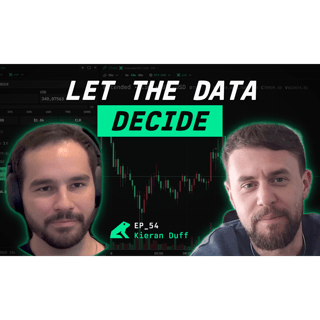
Speaker: Welcome to a new episode of the In Silica Terminal podcast. Today's guest is one of our dear treasured engineers.
Speaker: And with you, like, sometimes I like to ask people what were where the the name comes from. And I think I haven't asked you that question yet. And your name is like a bit unique, I guess. yeah Like not not here. Like, what what does it mean? Where does it come from?
Speaker: To be honest, I just made it because people would always try to get hold of me and I was just usually not there. That's hilarious. Yeah, yeah. So like I just made my screen name not here. So then when someone tried to get hold of me, it's like, well, it's in the name. That's funny. But why why the key? Yeah.
Speaker: To be honest, I went to like make it with N-O-T and I forget what platform it was, but it was like, this isn't a real name. available? Yeah, or not available or something. So I just used the K and that's just how it's been ever since. Yeah.
Speaker: Interesting. That's funny. um So can you tell us a bit about how, obviously right now you're you're working in Silicon Terminal, but what have you been up to before that? How did you get into crypto?
Speaker: Yeah. um so the reason why I got into crypto and initially was when I was younger, I went to university. ah actually So in Australia, we have something called the Conservatorium of Music.
Speaker: So I actually did a degree in music um in like jazz performance. And i when I was like quite young, I was working, i don't know, just doing heaps of random shit in that field.
Speaker: And I started um having people wanting, like in in audio recording, you would have like plugins, which is, you know, ways that you can process sound.
Speaker: So I started tinkering on like ah coding, like plugins. ah A lot of it was like visual based, like coding languages. So like very like pseudocode.
Speaker: But it was like a big introduction into just how logic works and things like that. And then ah leading up to like COVID, so like before we were all locked in,
Speaker: TikTok was like blowing up and I was just seeing like where the music industry was going and I was still like making pretty good money but I was like ah this is not it so ah my initial idea was like oh I'll get into like the stock market like they need they need software and they need you know code monkeys whatever but Because the stock market was so established, I was like, well, if I look at crypto, it's kind of like a microcosm of that. It's like trading.
Speaker: At that time, it felt like you know you're trading stocks in like easy mode. So my initial idea was like I will learn how like order flows work and how to code some type of strategy bot, whatever, ah in that field. And then the more that I got into it, i was like, oh, fuck, I'm actually like making money.
Speaker: So i never like i never truly pivoted into Tradify and just kind of ended up stick sticking to like the Web3 space. Yeah.
Speaker: I think you you mentioned before to me that you like started out in in music, but I didn't know that you like ah you're pretty much self-taught entirely in in coding then for like these these plugins. Yeah, yeah, yeah, pretty much. um These days, like it's it's pretty hard to learn, i think, just because everyone's so inundated with ai and all of these, i don't know, just like learn, quick, get-rich-scheme kind of approaches.
Speaker: But back then, if you had like a drive, there was just so many people on YouTube and and in forums that were just so passionate. So if you had... even like half an interest to learn and and you were willing to sit down.
Speaker: i feel like it was a really, really good time for that reason. And for the other reason of Web3 and crypto specifically, all of like these goats or like really knowledgeable people in Tradfire didn't really know how any of this worked.
Speaker: So there was just this huge... I could just see this huge gap. So yeah, like I was self-taught in that sense, but I feel like if i like like I even look at some people that I know that went to um university and studied similar things, and it was almost it in some ways a setback because they're learning like how all of this works five, ten years ago because the way that they update these like these syllabuses and and and these these courses...
Speaker: it's so hard to keep up to date. It would be even more so now with like ai you know, is by the time somebody integrates into a syllabus, like how AI works, it's, it the it's all changed.
Speaker: So you kind of, you learn a lot of good principles and and a lot of good foundational like ah concepts, but you're always kind of going to be out of date if you don't proactively look at like what is happening now what's the meta now. Yeah.
Speaker: So this was like in 2020 during COVID, I guess for you? Leading up to it. So like, I guess like Oh, so actually after the, I think it was like 2017 that like top when everything crashed, um, that's when I really got into it in the sense of studying it.
Speaker: Like I wasn't trading a lot. Um, but I was kind of just looking at how this all works, um, from a logic standpoint, what an API is, all of these kinds of things.
Speaker: um Then I started trading more and more and then once, ah and as well leading up to COVID, I started making all of these like arbitrage bots and all these things that would have worked in theory and they weren't really making a lot of money in the sense of the opportunities were kind of getting eaten up.
Speaker: Maybe my execution wasn't as good as it could have been just as I was learning. And then when the 2020 crash happened, all of that work kind of paid off and all of these like, um, deployments that I made started really printing.
Speaker: And then i kind of thought, uh, there's like actually something here, ah you know Because everyone sells this dream of like make make some bot and you're going to print every day. And that could happen, but like nine out of 10 people, that's not the case. you kind of You make some system and it's like a case of like almost like phishing where you you deploy it and it waits for that moment where it it makes sense and and and makes money.
Speaker: How did you come to think of these arbitrage bots or automation and and bots in general as your first venture? Because I find your your background kind of interesting with like the the something completely unrelated.
Speaker: and then you're like getting me any into coding by yourself, but they also you don't really have a finance background anything. You're just like getting into crypto. I think like most people, they just like start with some technical analysis or they just like buy some some tokens that they think will go up or something. How did you like start with something kind of advanced?
Speaker: I would say. um I think it was this one person I met that was like pretty good at and pretty had a pretty good reputation in TradFi. And I spoke because that was my initial idea because you know that's what we all gravitate to.
Speaker: And obviously there's
Speaker: Uh, this isn't like completely true, but like, I think there's a lot of validity in it when I asked of like, what if I make these kind of bots using technical analysis and, or you know, the go-to.
Speaker: And then he basically told me that like TA a is astrology for men. And I kind of, I don't know, like it really stuck with me as I, as I've gotten older, like I i can see he was a bit stubborn because he's a very like systems based trader and, and a big arbitrage guy.
Speaker: But I, I understood what he made meant in the sense of, um, uh, uh, It works, but it it a lot of the time it doesn't. And with things like arbitrage um and even like trading spreads, yeah, it can it can blow up a bit in your face. But it it either like if you've done it right, it it either makes money or doesn't make money. And that was so appealing to me because...
Speaker: I didn't really want to have this learning curve of like, all right, I'm going to invest like 10 grand and try this and then have some 5k drawdown as my lesson.
Speaker: I would rather have my lesson be like, I built this, I built this like framework for doing this type of arbitrage and it never got a hit because I felt like even with that, I,
Speaker: i personally would take more from that because it's like okay that didn't make money but i learned how this concept in code i learned how to build you know populate some database in sql i felt like it was a lot more pragmatic and useful um and i didn't really want to be purely just trading directionally because at the end of the day yeah all the stars can align and everything can make perfect sense and then a war starts or COVID version 2 starts. There's these so many of these external factors where I really respect a lot, to be honest, people that trade TA purely and consistently make money.
Speaker: i i think there's... something big in that in the sense of sometimes times I can't even really process what they're thinking because you've got to learn you've got to learn how to read the room a lot better like it's not just all data you've got to really understand like I don't know this country's leader said this and maybe he's bluffing and i you know even though all everything makes sense for a trade I need to sit out I do really respect
Speaker: people that can consistently make money off it. And there is something there, but me personally, I i really liked, uh, I just, I really liked the idea of,
Speaker: um the the The strategy or your system just being purely logic-based. um Later, probably in this interview, I'll talk about like the ways that I will trade and read people in other ways.
Speaker: but It's still very, ah not delta neutral, but it's very like non-directional.
Speaker: Do you have like some concrete examples of stuff that you did back then? And also, why did it work better after the COVID crash? Yeah, so back then... um people were just so price insensitive.
Speaker: um They would kind of see some coin and they want to buy it because someone said something and they were just fat finger.
Speaker: And it was so now like these things still happen, but back then it was so easy to um build some bot or use some open source bot with a bit of like foresight and thinking to arbitrage these opportunities where, who um, like, for example, like there was like some of these kind of major, uh, cat coins that I was happy to hold as some type of investment and, and take a little bit of like downside risk. Cause I wasn't completely like Delta flat.
Speaker: But I so kind of ended up figuring out if I was making a lot more money just as someone fat fingered and put the price up.
Speaker: If I had coins on there, I would sell it and then I would have some stables on another exchange ready to go and then just buy the coins back. And you would just kind of loop that motion but like around and around and That was kind of my bread and butter for like a year where in hindsight, I probably should have been hedging more, but it there was just so many people just fat fingering these coins that I was kind of interested in. And, you know, after maybe a month, you've you've you've paid off your base, like your your average cost.
Speaker: And now you've just got this free stack. And now I am kind of indifferent to the price where I don't want it to dump, obviously, because I would like to sell it at some decent price.
Speaker: But you've just got this stack that you've paid off by just looping this money around. Yeah. You know, people fat fingery, people using bad UIs because that's all they've really got.
Speaker: um and And it was really good for me in the sense that It was, it felt like trading, like now it's it's so fast and a lot more efficient at the stock market, but it felt like you're starting a game in easy mode.
Speaker: ah Everything's slow. it there's a lot more forgiveness in bad execution and you could kind of, instead of, instead of like, oh fuck, I bought and sold like, and it it it kind of moved too fast and and I've lost money. a lot of the times was, I bought and sold too fast and I could have made more money. Yeah. I still came out like covering the fees, making like a small profit and you would just kind of, I don't know, eat at the scraps. Like, cause I wouldn't,
Speaker: I wouldn't aim big like I'm going to arbitrage Bitcoin and you know try to target like the biggest asset. you'd I would target these like major caps or like the the higher end low caps and and just kind of loop these things around just and literally just buying and selling with a pretty shitty Python bot, to be honest.
Speaker: I think it's really interesting to to think about it in in the way that you were um not just doing arbitrage in a delta-22 sense, but using those ah profits to like set offset the costs of like getting directional exposure in some random token.
Speaker: Yeah, yeah. That's a very smart Yeah, because, like I say, I obviously like having some directional exposure a bit. If I can get it for free, it...
Speaker: you you can't really complain at all because now it it can go to zero or a bit like you've lost nothing or maybe you're up 50% because it's been really volatile between books and back then There wasn't even even like simple services like CoinGecko, they didn't really aggregate everything nicely.
Speaker: You had to really like go to different sites or um make your own kind of bot where you can see all the spreads. So a lot of people were like price insensitive because they just didn't really know I think they would assume like, oh Exchange A says it's $10. So like, why would Exchange B be selling it for $12?
Speaker: Yeah. um Because it was just not, it was really hard to get education then. But if you had a little bit of initiative to kind of look at it, it it was it was really a golden time to learn these things. Like learning how to do all this and execute on it now is it It would be really hard. It's not impossible, but you need to really, really go to school because everyone everyone has these nice dashboards that show all of these different different prices.
Speaker: There's a lot of pretty good open source bots that kind of do these things. um So I do think the matter's changed a lot, but you still could learn it. that I do feel very lucky that I, like, and I know i I did a lot of work, but I feel I will acknowledge I'm lucky to have started at that time because it's like you start on easy mode. There was risk, but ah if you really thought about it, you could minimize your risk so much.
Speaker: And what what happened after, um like during this year where it worked really well and then I guess it started working less well because the market got more competitive or efficient?
Speaker: It got more competitive and efficient and you you had to be more creative. So, um I used to love... you remember when Polkadot and Kusama used to have like all of these like coin offerings like for all of these parachains?
Speaker: They were great because there was so much hype for those. And it was before there was this really bureaucratic or rec process of getting listed. It was just Exchange wanted to list and they wanted to take on that volume.
Speaker: So you could... buy into these coins and and it would be ones that I would think okay maybe there's like a bit of that there's a potential here the best one i would have done was Moon River it's that's nothing now Moon Dean was okay as well But man, like I would have 5x the bag just literally buying and selling, bridging out.
Speaker: And sometimes sometimes it was so inefficient where, like let's say Exchange A is more expensive than Exchange B. You would sell USD and then rebuy on Exchange B. And then I could literally withdraw, then redeposit.
Speaker: And like, even with that slow, like withdrawal time, you'd still just have this really big spread there because everyone's just trying to pile in. so. so well Even though it all died off, if if you ah if you were conscious of what people were excited for and what tokens exchanges were just willing to list and not have any market maker ready, they they just like they just list it and then users come, that that was that was probably making more money than the original token.
Speaker: introduction to it not because I got better just because i feel like exchanges back then did a really bad job of like all right we're listing this token with so much height and no one is market making it so it's kind of not a recipe for disaster but just a recipe for like a lot of what the fuck fun price action Yeah, yeah, 100%.
Speaker: And even I had a friend, um like an Aussie and I told him what I was doing and he wasn't comfortable with bots. But he was literally doing it like just clicky.
Speaker: Manual, yeah. Just full manual, yeah. like And this, I know it was a long like a while ago, but it it wasn't really that long ago. Like this is... kind of during FTX and, or maybe even just after I can't, but around that time where people are algorithmically trading and people are aware a bit, it's still, I think a lot of that was,
Speaker: a lot of negligence from the exchanges where they would just list these things with so much demand and no market makers. So the spreads would just stay so large. And if users don't have, you know multiple exchange accounts, a lot of people will just make one that they're comfortable with, especially back then, that they're comfortable with, just use it. They've kind of, they either have to accept that price or not have exposure. Mm-hmm.
Speaker: And um you have like a story from the FTX days to tell about the the bull and bear tokens, something you did with those. Can you go into that a bit?
Speaker: Yeah, of course. Yeah, nothing. I don't think anything's going to beat that high. It was the i the best strategy I've ever had.
Speaker: but Like a lot of a lot of um other traders were aware of it. But I think they only kind of got 50% of the GIFs and it was a lot more unpredictable.
Speaker: So FTX have these tokens. and there were They were leveraged tokens. So they were tokenized... ah how would I say it? It was tokenized perpetual tokens as a spot token.
Speaker: so A bull token would be three x leverage, a bear token, like 3x long, bear token would be 3x short. But then there was also other tokens. There was hedge, which was 1x short, so you could just buy that to hedge um some spot or something.
Speaker: ah There was half token. There was... as well moon and doom i think they were like 5x each way yeah basically they so it was like tokenized leverage um and a a lot of people knew that they rebalanced daily so it was midnight and two minutes utc which was around like eight or nine a.m australia time which was perfect because i could just get up and and do it yeah where Where a lot of people got confused or got it wrong is they would look at how...
Speaker: the underlying asset or underlying perpetual rather would move. So they would kind of go, Oh, XLM dumped 10% today. So it is a given that they need to like short XLM and, and basically try front run Alameda when they would rebalance these tokens. Right. Because When the underlying asset would move, these leverage tokens would, dare their true leverage would drift.
Speaker: So it was kind of funny. You were like punished if you were right and you were punished if you were wrong. So at midnight and two UTC, they're all, let's just talk bull and bear token.
Speaker: They're both three X long, three X short. If you have a three X long bull token and the market goes up, your leverage diminishes. So like maybe within 24 hours, you were three X long and now you're like two X long. Mm-hmm.
Speaker: who But inversely, if you were wrong and you had a a bear token, you would maybe be close to 4x long. So like because it's gone up and now your leverage is going up, the more that a more that the underlying rises.
Speaker: Yeah. So people were kind of punished each way for being right or wrong. um But where the real edge for that strategy was, was just because the underlying perp moved didn't necessarily mean that that was the best hope to try frontrun because i we a lot of people weren't analyzing like what the true leverage is, but as well, you had to analyze or look at how many of these tokens even exist in proportion to the size of the OI of that perpetual market.
Speaker: who So what I ended up doing was We ended up, I ended up getting, um, have you ever heard of VBA? It's like a coding language.
Speaker: It's so so fucking boomer. So it's like, it's like a coding language you can use inside Microsoft Excel. Like a bit, like a a full coding language.
Speaker: Yeah. yeah And this was as well when I was at the point of like, I didn't really know, I didn't have like go-to language. I was just kind of learning things. Maybe I saw someone do a guide in something, some language, and I would try to use that.
Speaker: So I'd get VBA and there was no API for... this specific data, but there was a page like a assets info page.
Speaker: It'd be like FGX.com slash, I can't remember assets slash, then you'd put in the, the, the token that you were looking at and then it would have all the stats there. So it'd be like what the current leverage is, how many of these tokens are in circulation or everything you basically needed.
Speaker: so would scrape all of that information and then populate these um cells in x in excel with what the what the current um values are and then we would i would scrape the open interest um volume just all these things and a lot of the time I, to this day, don't really know how it exactly worked, but you would like, i do kind of, that it it I don't understand why they would like go with ah a model or a mechanism this bad at FTX.
Speaker: But there would be times where one token you would need to to enter a long in the pool. And then there would be another token where you need to enter a short.
Speaker: So even though like the underlying has dumped 5% or something, for them to rebalance it they need to long and short. so you would kind of have a bunch of volume and it would not really do anything. It would kind of just stay flat because it's almost like they were trading against themselves.
Speaker: So the meta there was, okay, figure out the... the leverage tokens all with the same underlying that all need to get traded the same way so like if the bull token needs to be long the bear token needs to be long hedge half all of them and then okay they only are going to long today then you calculate how many tokens are in circulation and and how um how much do they actually need to long for each of these tokens and
Speaker: And then you will look at what's the OI of this market, right? And then you could just make this really simple, like a super simple equation to go like figure out, all right, they need to long this much to the dollar.
Speaker: And this is how much OI is in the pool. And many of the times it would be, it would be tokens that like had moved, but they weren't the one that dumped or pumped hugely that day. it would just be some random, random major, like,
Speaker: XLM, LINK, you know what I mean? Just like ones that kind of moved with everything but didn't really do anything interesting. But they would probably that they would most likely have the most amount of leveraged tokens issued.
Speaker: so And sometimes ah when you do all the calculations, it would be like, holy shit, they need to long 20% of the OI of this whole market.
Speaker: yeah and And back then, like FTX's perpetual markets were the the ones that everyone would trade. So it wasn't like there were these, okay, it's a major cap, but it's like a small per market. It'd be like, no, this is like a couple hundred mil plus, and they need to long maybe 20% of that. Yeah.
Speaker: so like It sounds like I'm talking shit, but every single day, i would just 20x long or short, have it literally twenty xs have like a or take profit, on that...
Speaker: no stoplights and just boom you were in and the way that i would execute on that was manual, but I used to use something called Itchybot. Have you ever heard of that?
Speaker: <unk> I've heard of that, yeah. Yeah, it's like a, how would I say, like an archaic version of like in silico terminal CLI. um But it was very performant. It was built on Node, I believed. It was really good with dealing with latency and things like that.
Speaker: And I would just use this Razer Trigus, like this one-handed keyboard with all my macros kind of programmed in. And a lot of the time, all right it would maybe point at pump just under the 1%.
Speaker: But with ItchyBot and this macro controller, you could bump your orders down. So you could bump it like... point something of a percent down and just quickly um like drop it down or drop it up however you needed to go and you would get filled and it was so easy that it it wasn't funny like it was so easy and in turn there was like another way that you could play it where I made a monitoring script um because they rebalanced midnight into UTC every day. So I'd be there every morning.
Speaker: But also, if the leverage token went, like for the 3x tokens, if they went to 4x, they would trigger an intraday rebalance.
Speaker: and So you could all right make make your 20% in the morning like that's getting compounded, which is great. But then if you kind of wanted to make more money and you knew it was a really volatile day,
Speaker: you would just monitor, like I just made some like ah repo that would scan and and analyze ah the current state of the leverage through this like assets page, not because it wasn't on an API.
Speaker: And then once you had hit 4X, it would trigger a rebalance. And I genuinely don't know if it was manually done because you would see 4X and you'd wait and wait And then it would go it like it was it. it and And it was and it was never um the same. Like I started measuring it when I would get a hit and then when that when they would do. And it was so inconsistent.
Speaker: i I genuinely think it was like just some chud at the Alameda desk like, oh, fuck, like XLM's like, you know, 4X now, let's quickly dump it down.
Speaker: It sounds insane, all of this, ah them just say randomly at midnight bumping, the I guess, mid-cap or whatever. But I guess these were larger tokens back then, just like 2% for no reason, just because of their weird... tokens. i that It's funny, because I imagine like Sam with his nine nine screens sitting there and just like manually reimagining these random tokens. Because like so so many people that have come on the podcast, I feel like, like back then everyone was like FTX are like giga geniuses. And over all the episodes, people have been like, yeah, they did this. And then you could really exploit that. And you could really do this. And there's like, so many stories. And then it starts to paint this picture of why they lost so much money because they were just just stupid. I don't really know.
Speaker: Yeah, no, they they like, to put it nicely, they were completely fucking retarded. Like, yeah you know, yeah seriously, like they could they they could have, they had a good UI. Everyone loved the UI. Like I've heard many people even that talk badly on FTX on this podcast say like that they made a great UI and, yeah you know, and they could have just...
Speaker: not been cooked and just kept this product going and printed money. But i I've thought about it a lot and I used to think it was greed, but I genuinely think it was like an ego thing.
Speaker: A lot of people in this space and in like Proudfire, they really want to be that guy that is like this prolific genius that everyone kind of bows down to.
Speaker: and And it's just not it. Like, um... you You can make a good product or make some strategy that like makes money, but you can still be humble about it and like admit when you're wrong.
Speaker: like I genuinely think like things like these leverage tokens and like their liquidation engine and all these things, like they should have just accepted they're wrong and changed them. and you know they wouldn't have gone to jail and they would be living so peachy right now.
Speaker: Um, like there would be a bit of greed there. Yeah. Like there would be a bit of greed there, but I just, I genuinely think it's like a, it's like a big ego thing. Like they, they want to be that guy that not, not many people are that guy.
Speaker: do Do you think like these ah bull bear tokens ever have any use case or like or could be like executed in ah in a like decent way? I guess probably not since we've not like seen them since then. No, I think the only the only exchange that still offers them is Gape.
Speaker: from I'd have to double check, but I'm pretty sure Gates are only one that um still offers them. I got small ah contract gig, whatever you want to call it, for another centralized exchange.
Speaker: after Because I made like some thread about this after FTX went down and I was like, I'm just going to talk about it. Usually, like if if you have like a bit of a brain, you don't really want to speak about many strategies when they dry out because they could come back maybe with like a different form that, you know, it's good to kind of keep that to yourself.
Speaker: But in that context, i was like, this is done. Like I, I'm kind of got free reign to speak about this. And I got hired, um, for a few weeks by an exchange to like help them fix up their leverage tokens.
Speaker: And I basically concluded like, I would just stop doing these. like Either you lose money or users use money like lose money. like it's kind of it's just like a it's like It's such a net negative.
Speaker: like Trading's already zero-sum game, and then when you're adding these mechanisms. I just don't, it just doesn't really make sense. Someone has to underwrite it um the risk for that token and then the market moves and it's kind of, look, I'm not saying it's impossible, but I i think it it just doesn't make sense.
Speaker: And especially in this day and age now with like how available perps are, so yeah i think it just makes sense to just get them to just trade perps. You know?
Speaker: the the be I would think the same. Yeah, like, the I think... FTX at least, what they were envisioning was they would really advertise, hey, you can like withdraw these tokenized leverage coins as spot and do things with them.
Speaker: I see. Yeah. So like i understand a little bit like the vision, but it's just I think from like a business standpoint, it just doesn't make any sense. like I don't really even know what type of user you're like trying to attract.
Speaker: Yeah. Yeah. I think there's more more easy ways to gamble all this, and especially with perps. There's no reason why you don't just use a perp instead of yeah having that, I guess.
Speaker: Yeah, 100%, because you you have to as well. like let's Let's pretend that like an exchange has figured out like the perfect way to like rebalance these without people front-running them or whatever. Mm-hmm.
Speaker: I don't really know how you circumvent them getting like the wrong end of the stick with the leverage. So like they suffer in that way and they could just 3x long and then cop the funding or get paid funding.
Speaker: it It just seems like it just seems so much more simple to just offer perps and trade them. hmm. So what what did you ah do after FTX went down eventually? what the Where did your focus move?
Speaker: um So before, so like during this like leverage token strategy, like I would have done that for like a year and a half straight. One whole year, it was just printing. And then the last like six months,
Speaker: There would be a lot of times where like FTX would kind of front run there, like my front run. It got really messy. um and And the price would be really stagnant with like big orders, like pushing up and down, they not really moving.
Speaker: um And I started getting a good reputation in this space. um I started getting a good reputation in like Australian finance, I guess, just because...
Speaker: Yeah, I'd be on my computer and like doing stuff, but I would also like leave the house and meet people, which yeah can be a huge benefit. um And I started meeting people that work in like Australian like asset management funds.
Speaker: These are really like like traditional-based companies. pretty boring um but in in australia specifically i don't know if this is like the official term for it but we have these things called like golden visas um where you can just like pay to play and you get a visa in australia and a a problem that the these funds were having was a sizable percentage of their investment had to go into like technology and innovation. or
Speaker: I forget what the exact wording was, but like let's just say tech. and ah A lot of these funds were gravitating towards crypto. but they didn't really know how to invest in it beyond just spot buying or maybe like a a few, a few guys were like aware of rolling futures. Cause that's like a, tried fight kind of approach, but they didn't really know how to like, how to approach these things.
Speaker: So I started, um having interviews of like different firms and i I know it sounds so simple now but I just I pitched them on like trading funding rates ah a lot of these guys were just oblivious to these contracts and thought they had some type of expiry which I can't really blame and to a degree because it it it was it just wasn't a thing that if that it existed in tradfire um so id i would explain like the concept of hey you can like store this perp that's paying you out and buy the spot and you just are eating fees and the hardest like it was really funny the hardest part wasn't like convincing him hey like i'm not dumb or hey like i'm
Speaker: a decent trader, it was convincing of like, cause they'd be like, but how, who's paying the funding rate? Like it was, it was funny. Like the challenge was like kind of explaining the instrument to them.
Speaker: Where does the yield come from? Yeah. Yeah. Cause they're like, what do you, what do you mean? And back then like you could make,
Speaker: fairly conservatively 20 to 30 percent annualized you you could go a lot higher but like like we're talking like very safe just trading top I don't know 30 20 coins you could make 20 to 30 percent and they they the the hardest part of kind of convincing them that like, Hey, like you're Delta neutral, uh, you have no directional risk. You're in an innovative tech field, which these, these are things, these investments need.
Speaker: And, um, yeah. So the biggest hurdle was kind of trying to convince them on what, uh, on, on how these things work. But in the middle of,
Speaker: creating these leverage tokens and doing these things. So towards when it was getting really stagnant, ah I ended up getting employed by two of these firms at once because they were kind of like friendly. And I proposed because I knew it was possible. i just proposed, Hey,
Speaker: I can work for both of you guys. No problem. I won't trade the same contracts. So there's no like conflicting interests. We'll, we'll need to trade the same avenues because there's not each of liquid, um, exchanges like at that time. Yeah.
Speaker: but It's like, I can kind of do both for you. I would just make some proprietary software, um do some like daily report and yeah.
Speaker: So for like, maybe, a year and a half, but maybe more a year, I was just working for these firms, um just trading funding rates.
Speaker: And it was extremely simple. They thought I was a fucking wizard because they they were so skeptical. They were kind of like, okay, you can make these returns.
Speaker: Great. But just don't lose money. Like that, you know, we we want something pretty safe and like edged. And and and back back then, like the funny, no one was really wise. Oh, not no one.
Speaker: but The general crypto Twitter space wasn't wise to... how to do this like they weren't like they were kind of aware but they i don't know it would be laziness or like a lack of education but you could really like scale out a lot of liquidity in a decent amount of contracts um like with different underlyings and just kind of eat the funding so My day at that time would look like i would get up at like eight or nine o'clock, depending on daylight savings.
Speaker: um Try to do the rebalancing trade for the leverage tokens, then just go into the office like because Australia's got like in Sydney at least has like this one street which is like our sad excuse of Wall Street. Yeah. So I would just kind of like go between go between the buildings, manage positions and it was great. ah they They were pretty...
Speaker: aware that they didn't know anything but I wouldn't call them stupid like they i feel like that they were pretty smart in the sense that they would admit that they didn't know much about this um they would understand once I spoke them through it obviously but they would They, I don't know that they weren't, they didn't have like this ego or complex that a lot, ah lot of track five kind of people had, they were not young, but not old. It was like that 40 year old kind of market. It was, it was good.
Speaker: um and yeah it was it was a pretty it was a good It was good to work in real life in an office like that because you kind of just learn things that you won't learn working online in crypto. like A lot of ah lot of really talented people um have ah like in this space only worked online online.
Speaker: And it's not like you need to learn like social skills because like you should have learned that just being your human being. But you you really learn like just how the real world works, the politics like in these kind of traditional structures, how to circumvent them.
Speaker: and and me personally, I realized... um
Speaker: like the lack of ego and just being like pretty humble goes so far because if you're like making returns and you're not an asshole, people really like you general generally.
Speaker: Like you you can act like this oracle, not in like the price feed sense, in the traditional sense, like act like this oracle and this person that like sees all and it only takes one one wrong call.
Speaker: It doesn't have to even lose much, but there's everyone will side eye you because you put yourself on such a pedestal that you almost can't fuck up anymore. where sometimes I would i would say like, all right, we're going to enter this to trade funding and the funding flips.
Speaker: We didn't really lose much money. We just lose on the fees, like the entry and exit. But it i I would get treated... no different and then you would have someone else that would make a similar mistake that is in like the suit acting like this kind of genius and um you get really judged and and and this happens online but I think people don't really know how to interpret it because they'll just be like I'm like getting bullied kind of thing. And it's just like, no, you've, you've kind of spoken like a bit of an asshole and yeah you've made one small mistake, but like everyone's waiting for you to make that mistake so they can kind of dog pile on you.
Speaker: the the whole main character thing that happens every so often. But um what what... So you were at this firm and did the the funding rate or like at both of these firms and did the funding rate trades there and we're still like doing the bull bear tokens on on FTX and I guess these were like golden golden times kind of from from what you but talked about. So ah how did it proceed from there? Like when when did all of this kind of...
Speaker: ah I guess with the collapse of FTX. Yeah, so that's that's kind of an interesting one. um I was like very anti-Sam. um i i was So I spoke to both firms like collectively um because i i didn't really have allegiance to either either they'll both pay me and they'll both nice to me and i wanted to try find a way to um i don't know if you remember but when you deposited onto ftx to actually trade you had to buy their usd like collateral token i guess but it was non-withdrawable and
Speaker: um that's a little bit more common in in this day and age but back then it wasn't very common and i started looking into like the business structure of ftx like for example the leverage tokens weren't managed by ftx they were managed by lt holdings a company in antigua like all their derivatives were like in these weird companies stam was just acting like a interesting character online put it lightly.
Speaker: Um, and, and I'm a big believer of like, uh,
Speaker: identifying like populistic views, like pop, like populism is like this, uh, political agile ideology of someone is like, gets a bunch of people on their side and it's us versus them, us versus them.
Speaker: You know, um, that Danny sets the guy that made, um, abracadabra money, all of that. He used to say like us versus the suits, us versus suits. Um,
Speaker: that kind of attitude, I think is so telling. and Sam was like speaking in a very, i didn't like it just, tribalistic, I guess. Yeah. Tribalistic and this, and this reaped of populism while the ship was going down while like when I was doing the, the leverage token stuff, he like banned it, not banned, but he like soft banned a few of my accounts and like, um,
Speaker: may or may not have sent me an email trying to put the wind off me. Yeah. This is how dumb these guys were. like I could still withdraw the money, but like you I would just have like these weird like error codes and I would try and to enter trades.
Speaker: And then I could just make another account. like with and And not in a fraudy way, like with my information and could just make another account. So with them USD, margin, whatever you want to call them tokens, I was trying to short those outside of FTX. So I was like trying to get these funds to facilitate a deal where um they...
Speaker: have some counterparty that like lets us short the value of their USD token. It's like this, this is going to zero. I didn't really envision it in the way that it like happened. I didn't think he would be that bold, but I was like, I want to short like this stable coin that they've got because you can't withdraw it.
Speaker: It's a pretty easy vehicle for them to like take customers money. um and it's traded against the contract. So like once people lose confidence, it could kind of,
Speaker: inadvertently dpeg on their exchange who and this is where i guess the funds get a bit interesting like one of them kind of was like yeah cool like we can we can do this and then the other one was just like this guy was like in forbes and like ftx is like too big to fail yeah So ah we didn't ah we didn't have an argument at all. It was like very civil, but we had to like agree to disagree.
Speaker: And um they were wise to how like funding rates worked and all of this stuff. They wanted to keep trading there. And i said in my life, I personally, at this point, once it was really starting to like look bad, was like, I've taken all my money out. Like I, think I have like a thousand bucks left in there that I forgot about that. I, everything was out and they were like, no, like it it will be fine. Um,
Speaker: Don't worry about it. and then i was kind of, I don't want to really trade there anymore. Like, okay, like, you mind if we keep continuing on with this strategy? was like, of course, like, it's not, I didn't invent it. um And then like a few months go by and then all, all the shit goes down. And one of the firms, they were out and they'd kind of moved on.
Speaker: ah showed him some ways because I was at the point where I could see, it was worth more me working for myself and doing work for DeFi protocols, the opportunity. yeah So they kind of pivoted to like something else, still crypto based, but, you know, not using FTX. And then one of the other, the other firm, they, they were doing what I was doing.
Speaker: And they got fucking fleeced. Like, they it it all went down. All their funds were in there. All of this stuff. And then they, like, called me um basically saying, what do i what do we do?
Speaker: yeah And I say, like, i you're going to have to go to court. Like, I i told you And yeah it's kind of sad because, like, everyone looks at asset management funds as these, like, oligarchs.
Speaker: bad people but they weren't bad people they were just kind of i guess um not like they were kind of just tricked by the facade and and all the kind of press that was going before that because when you think about like before ftx blew up normies didn't really get this side of him Like, you had to be kind of semi-chronically online to see all the... I guess if you if you weren't on Twitter or weren't, like, using the exchange yourself, like, heavily, then there's no, like, not that much indication. if you Also, if you, like, trust all of the traditional markers of success and him, like, going to Washington and all that, like... Exactly. It's way easier to fall for it, actually, yeah. Yeah, yeah. So, like...
Speaker: ah that kind of exactly, because these guys were like 40, some of them were like pushing 50, like they don't know what crypto Twitter is. And even when I would kind of tell them like, you know, these guys are like taking amphetamines and like,
Speaker: doing crazy shit and it's just all online. And i again, I don't, I don't blame them. They kind of were looking at me a bit like, what the fuck are you on about? Yeah. um so when it all blew up, like I felt very bad for them.
Speaker: ah Fortunate for me, it really gave me an even better reputation in like this small pocket of Australian finance. Because I, i not like like many people in line, but I kind of called it in the sense of, you know, um this is going to happen. Like, I would take your money out.
Speaker: I didn't think it would happen like this earlier. harshly lot a lot of people didn't they were probably just think there would be some like insolvency maybe get bought out but yeah like they they got fucked and i i don't know like exactly how much of their capital was allocated back then but it it was even when i was trading it would it would have been a huge haircut for their firm so it's it's pretty it was pretty sad to see like this like I say I wouldn't say they're a little guy but like when you're looking at the whole world like they were like a little guy uh firm really
Speaker: and what what did that lead to afterwards for um you working more with DeFi protocols after all of that went down yeah so um i i got really itchy feet on like wanting to short stable coins. I kind of felt like it was like the best um the best way to get a lot of this... I don't know... ah a lot of this kind of irresponsibility that people were putting into building things.
Speaker: Um, and a lot of people didn't have trust in them. Like for example, like speaking stable coins specifically, um during Luna, like, or Terra Luna, all that stuff.
Speaker: Um, they, a lot of people were shorting Luna itself. But I just full ported into shorting UST. so I was like, it's $1. The only real risk is the the the margin fees, you know? yeah And shorts can only make 100%. It doesn't matter kind of where it is. Obviously, you could have been leveraged with Luna, but it it it felt like it was in my risk-adverse nature. Yeah.
Speaker: So when I saw that that worked, I was like, okay, I really like this. And then I started ah working for a DeFi protocol that was like pretty famous at the time called Y2K Finance.
Speaker: And they offered something called Catastrophe Bonds, which is like a TradFi concept So basically it would be like a a bond or an option, an exotic option on the peg of stable coins.
Speaker: okay I didn't invent the the core model. This was invented by a pretty talented guy named Andre. But they got me on the team after this interest because they needed to model like how do you model what an option is on the DPEG of like these esoteric stable coins?
Speaker: who um So I did that for ah quite a while where we would design these different structures for people to either underwrite or buy the premium.
Speaker: And a lot of people would kind of underwrite under coins that they, um stable coins that they were confident in. Other people would buy premiums to offset risks of holding the stable coin.
Speaker: And at the time it was very novel. I would say, um i i Maybe I'm wrong, but I think that Polymarket got some inspiration from that protocol. They already existed and I was kind of trading a lot. Like I traded when that kind of first started because it was in my in my domain, I guess.
Speaker: um but they started ah because when you think about like these catastrophe bonds it would be like um for an example it would be like will usdt hit 98 cents in the next week or in the next month yeah and then we wouldn't set a premium it would be kind of the the ratio of people underwriting compared to people buying the premium And then you would have this um settlement epoch, which was usually like two days.
Speaker: And then once it was the the settlement of deposits was finished, then the rate would be like fixed and then you could trade them on a secondary market. So I, I do believe that like that created like a big foundation of these exotic options, uh, these exotic binary options where you could like, without having to worry about Greeks and all of these like esoteric,
Speaker: option concepts you could gain like these dated um exposures on what you think an asset that should be flat would do yeah because we did stable coins and then um pivoted into lsts and yeah it was it was a very fun time because i had to do a lot of really weird modeling like we would use um something called ah jump diffusion figure out like if if if a stablecoin dpeg how far would a dpeg which was just such a insane question but it was really fun to kind of model these things that i don't believe anyone had done before um
Speaker: Catastrophe bonds have existed, but with the context of stable coins and measuring how much these things DPEG, it it was a really good exercise and and really helped me learn things that I probably missed by being self-taught.
Speaker: Because Andre specifically, the guy that like modeled this, hey he's very cracked. So I had to really, it was like either like keep up or get out kind of thing.
Speaker: yeah it was yeah a very good experience. I worked for like other DeFi protocols, but I would say it's like nothing as novel as that, especially at the time. Mm-hmm.
Speaker: so after After like all of this, ah this things that you've been through and then all ah the stuff that you've done in en crypto, what made you work for what made you want to work for Silico?
Speaker: That's a great question. um So, DeFi, I think, is very cool in the sense that um you you can create these things and kind of invent new things. Right. Um, but at the end of the day,
Speaker: A lot of what people are building in DeFi specifically is something already done in Trad5 with like a twist. Even like Y2K, catastrophe bonds already exist.
Speaker: There's ah the twist of of stable coins or LSTs. Yeah. um Which is great, but it I feel like it's not as rewarding as I would have expected it to be because you're almost,
Speaker: I felt like a lot of it is you're almost marketing these like existing concepts, concepts with these twists to people. And it's a matter of them kind of discovering like, Hey, this is just this with this, or this is this, that was that.
Speaker: And I do think there's been some novel things in DeFi, like AMMs. I don't really think you could compare that to something in TradFi.
Speaker: i know But there would be a few other things, but like I think I could count it on one hand as new things that were invented because finance has been around forever.
Speaker: And the advantage of DeFi is you can move faster. you can invent and and and ah i iterate faster than you would in a tried-fired context. But i i I feel like a lot of people were building on the guise of like, we're inventing the way that like finance is going to work. like Traditional finance is going to copy us.
Speaker: Not copy us, but like learn from us. and And in some senses, like you've got tokenized stocks and all of these things. But i I just felt like it was almost like a lot of it just started becoming slapping things together to try and make it look like this new, this new invention or this new concept. Yeah.
Speaker: Um, where in Silico specifically it's it's getting down to like the bread and butter of what is trading, which is good execution and,
Speaker: um stable connection, ah nice UIs. These things that do sound like inherently vanilla when you work like, but you know, you could have worked on these, like this new exciting stuff.
Speaker: And it's like, yeah, but it, it, it's not that exciting once the the veils lifted off and you kind of like, you look at the, like you really start to look at like,
Speaker: what TradFi has already had and and you just see that they're just twists and a lot a lot of it almost felt like um no not deceitful but like they would add these twists and make it look really new and get a huge round of funding in and okay but then what how does this really generate any value like how does this have a future And with a product like in Silico Terminal, it's very like honest and forthcoming and in in that sense of um you want to trade multiple venues, you want something that works great.
Speaker: um I don't know how you trade or like what you're at, but it's a tool that everyone's always going to need. they have like They haven't had to do this like DeFi raise and like really wow people. Like the product speaks for itself.
Speaker: And I feel like that's something that I can be more proud of. You know, when i'm when I'm like an old man and like I talk about all the things I do, I don't really think I'll be talking about like PerpDexes that I worked on or, you know what I mean? These like niche DeFi things that were like fun at the time and a good learning experience that I feel like I would be more proud of building like...
Speaker: hey, you like where I built this or helped build this thing where people have traded billions and hundreds of billions of dollars through um and because they need good execution or because of XYZ.
Speaker: I feel like it's a lot more rewarding before even shilling like all the cool things that it does. It's yeah a more rewarding experience because it's something that...
Speaker: ah There's no frills. Like it, it, it is what it is. There's no like buzzwords or promises of like, and if you invest in this piece of tech, it you're going to get divider. It's just, it's very, it's very honest.
Speaker: Yeah. Well, i can I can definitely relate to all of that. is there any any ah is Is there any stuff that you're like working on that you ah can talk about or want to talk about? Or maybe like some stuff that you worked on before that you want to like highlight for people that maybe is underrated?
Speaker: Yeah, yeah. So... so I was working a lot on the recent a glut of exchanges that were integrated.
Speaker: um I feel like right now, Incilico has a very great eclectic range of exchanges.
Speaker: um A lot of what I would do would be, a lot of the exchanges rather that i integrated were ah these on-chain perp dexes and and the one a lot of the ones that I feel have value. like There's millions of perp dexes at this point, but there's some that are pretty good.
Speaker: Even beyond Hyperliquid. Hyperliquid was integrated before I joined. But even beyond that, so I would help a lot with this on-chain onboarding. like If you've onboarded just with like a Metamask wallet or a Rabi wallet, like that's code that I built.
Speaker: um And like what we're working on now, like without saying too much is really um refining and, and raising the quality of the possibilities of execution and, and the things that you can do on, on terminal.
Speaker: um One example, which isn't predominantly my work is obviously cortex for these like backend, um based execution jobs, you will if you will.
Speaker: um And now I have a big focus on expanding on that and integrating a lot of tooling and and um execution methods that I think would really help with the synergy of terminal um because there's many ways you can trade on it and I think right now we're trying to close this the the remaining small gap of different types of traders that can use our infrastructure in the sense of like trading spreads or, you know, just these more convoluted strategies.
Speaker: Um, That's what I have a big focus on as well as that. I'm helping work on the experience of managing accounts.
Speaker: um I won't share too much on it, but we, we want to have it in the way that your accounts work in the same way that you can switch between exchanges.
Speaker: and have it and have this really seamless experience where it's easy to kind of manage your liquidity, it's easy to move things, and it it it becomes this one-stop shop where the only thing that you're really using outside of the terminal is probably your wallet to sign transactions because obviously we don't want that in in our infrastructure, have that externalized.
Speaker: um So yeah, I think... To put it lightly, like it it's more trader experience is what I'm working on right now. um There's a potential that we integrate more exchanges when they make sense, but we feel like the ah we have a really good range and the focus right now is um on execution possibilities, types, um and and just generally having the like the trader experience
Speaker: more comfortable where you're not clicking a bunch of things to do certain actions, um trigger actions that you would maybe want for like moving capital for it. Maybe of these things are kind of internalized and made, made in, made it in a simple way.
Speaker: hmm. Not designed in a simple way, but like ah conveyed for the user in a way that i it makes sense for an advanced user. But also if you're kind of on the more beginner side, it's still easy to use.
Speaker: Yeah. I think that's a very ah cool view into the future possible features and into into the development. Is is there anything else that you like want to share at the end any any wisdom you want to impart on people or mention?
Speaker: Yeah, like any like wisdom. i kind of said it before, but I think in this space. um don't have an ego and like be humble.
Speaker: Um, even if you are like a genius and like, you know, 10 X more talented than like myself or other people, because I think, um, I would have said,
Speaker: it it gets you very far to just not talk about, opinions that you have or not opinions, but it, it, it really pays off to kind of just be humble and, um, let people make mistakes and not have to like dog pile and i know that sounds like a very like something you would tell someone in elementary school but i i feel like a lot of people are really held back by being so opinionated online and there's a time and a place for it like um benny the guy you had the interview with recently i think he's a great guy and he's had some really strong opinion but also i've seen him admit
Speaker: things that he's gotten wrong or things that he's not good at or yeah you know what I mean and I think people like that really thrive in this in this space because it's not this online esoteric niche um part of the internet anymore like this is like a real industry and If you wouldn't say it like to someone's face, like you probably shouldn't like say it online.
Speaker: If you want to be that guy and you don't really care and you're just having a bit of fun, like go for it. But I feel like me, myself, like the biggest benefit I had And the reason why I've done so well is like a bit of luck and a bit of hard work, but I think just being, being very personable, um, and not being fake. Like you'll see people get doxed or whatever.
Speaker: And It's not a matter of like if they're ugly or like good looking or whatever. it and i think a a big part of it is your attitude and that's how people run with it.
Speaker: I've seen like some people show their face or get dogs that are really talented and really nice guys and everyone kind of has a bit of a laugh and moves on or you'll get someone that is like...
Speaker: kind of good looking, I guess, by traditional standards, but they've been a fucking asshole and everyone's just going to find every fault that they can because they're everyone will everyone Everyone has like an ulterior motive in some way form.
Speaker: And if if they notice the crowd go against you, they'll dogpile. and And I think just keeping some things in your head or within a close circle, it it really pays off because you you don't know what mistake you'll make in the future.
Speaker: You don't know like who you who you'll need to like get a favor from. and it's it's i feel like the downfall of a lot of really talented people on here is having an ego, being online too much, and and not just going face to face and having to kind of, all right, are you going to keep that energy that you have online or are you going to come back down to earth and and and be a real person?
Speaker: I feel like I have to like rethink some of my shitposting. No, no, I don't think so. But I do come face to face with people. lady i do that's That's what I mean. And like, and I, there's a huge difference between like tongue in cheek shitposting and like having a bit of ah a giggle at things versus like writing threads, like, you know, trying to like,
Speaker: really shoot someone down it's like what what benefit do you get from that because you could be completely right and still some people are going to go wow you're right and you're a fucking asshole as well yeah like like it's just such a lose-lose situation i think the way that you hold yourself it's like it's funny um you're very self-aware and and i think that's a big difference and many people can't do that like i can't do that i you know i get the shits or or kind of what the what did you just say to me too easy so it's like i i understand i i i'm the kind of person that needs to sit back and i think yeah many people should kind of sit if you're talented sit back work if if you have a problem with someone and you think like they're gonna have a downfall just watch
Speaker: Yeah. I mean, that that's why we have like different roles splitting off work. I make the funny posts on Twitter and you do like the actual real engineering work on the product. Yeah. But everyone, everyone fills their little role. Yeah, that's it.
Speaker: Yeah, thank you very much for for coming on today. this was a very interesting ah insight inside the company you perspective or like inside the the head of someone at the company. Yeah, thank you.
Speaker: No, no, thank you for having me. And if anyone listening has any like execution or really back-end ideas, just send me a message. We're very receptive to to feedback. um We like to think that we build something that...
Speaker: users want rather than build something that we objectively think is right. um Obviously, that you you need to to make some judgment calls, but we're we're very receptive to feedback.
Speaker: Same goes for me, by the way. I i might i might just like be the messenger that sends it to someone else, but I'm always receptive to the feedback.