Transcript
Darin Tingey: All right, everybody, we are on with another episode of the Islands Podcast.
Chelsea Swain: Hi, everybody. ah
Darin Tingey: Super stoked today for our guest, Chelsea Swain.
Chelsea Swain: ah see
Darin Tingey: You maybe have seen her on Facebook or Instagram, TikTok, as ah you know with the caption, white girl speaks Marshallese. That's my favorite.
Darin Tingey: Yeah.
Darin Tingey: or something like that um so i just had to have her on the podcast but um chelsea give give our the listeners just a quick background on you you know where are you from and kind of where are you at now
Chelsea Swain: Yeah, so I was born in Canada. i grew up in Washington State from about 14 on. um and then I've been in Utah most of my adult life.
Darin Tingey: Okay. Yeah.
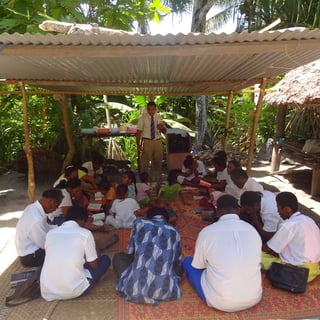
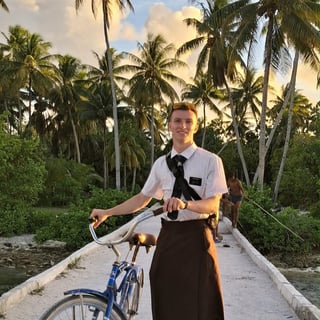
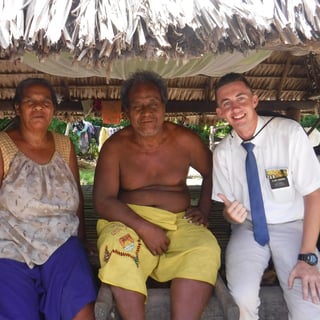
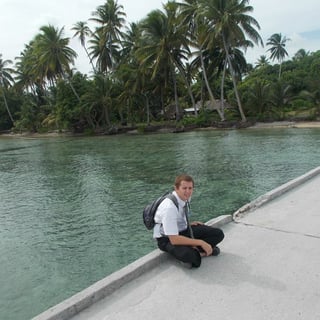
Chelsea Swain: Yeah, so I served my mission in 2006 to 2007.
Darin Tingey: Okay.
Chelsea Swain: two thousand seven
Darin Tingey: And okay. And so you're you're in Utah now and you live in Utah County or? Okay.
Chelsea Swain: Yeah, well, no, we live on the border. So we live in Draper and I work for BYUtv.
Darin Tingey: Oh, very cool. All right. And, um, you guys have, and ah I've gathered, you know, through following you guys on social media, like some kids, um, nieces that you've got or adopted. I don't know. Give me the quick background on that.
Chelsea Swain: Yeah, so we have, my husband and I, we got married in 2011. And we have two boys. One, our oldest boy has pretty severe special needs and hes medical complexities. He's had four open heart surgeries just he struggles a little bit, but he's doing good.
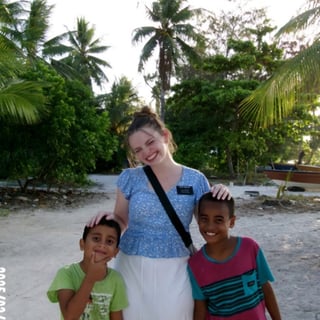
Chelsea Swain: And so she's been with us since then. About three years ago, we took custody of her sister. um And her sister was just called to serve in the Marshall Islands.
Darin Tingey: I saw that and I was so stoked.
Chelsea Swain: ah
Darin Tingey: ah
Chelsea Swain: Yeah, so she and i are almost 20 years to the day. so
Darin Tingey: That's so cool.
Chelsea Swain: separated from serving. So she's getting ready to head back to the Marshall Islands. All All right.
Darin Tingey: Good for her. and um so So you started your mission in 2006 and when you got your mission call, I can't remember, was it the Marshall Islands Madro mission at the time that you got your call?
Chelsea Swain: It was not.
Darin Tingey: Okay.
Chelsea Swain: So i got called to Micronesia, Guam. ah So I thought I was going to Guam. When I got my call, I went English speaking, but my call said that it was likely that a language be would be a assigned once you got there.
Chelsea Swain: Because in the Guam mission, it's even more languages and islands than what the Marshall Islands and Kitabas has.
Darin Tingey: So the mission, okay.
Chelsea Swain: So They have like Palau, Pohnpei, Koshari, Yap, Guam, Saipan.
Darin Tingey: a
Chelsea Swain: So they are more diverse. So it's harder for them to like assign the language. This was 20 years ago. keep so
Darin Tingey: Yeah.
Chelsea Swain: So I only was in the MTC for three weeks.
Darin Tingey: Okay.
Chelsea Swain: And while I was in the MTC, they divided the mission. and created the Marshall Islands Majuro mission.
Darin Tingey: Oh, wow.
Chelsea Swain: um They took Kitabas from Fiji and Christmas from the Hawaii mission and the Marshall Islands from Guam and combined them into a new mission.
Chelsea Swain: And so i met my mission president in the MTC because when I started my mission, it was the same time like new mission presidents were starting.
Chelsea Swain: And so the Guam mission president and the Marshall Island mission president were both getting renewed. So i met President Marshall, who was that was the president of the Guam mission.
Chelsea Swain: And he told us in our district, like I was the only sister. And then there was like 15 elders. And my sister.
Darin Tingey: Okay.
Chelsea Swain: and my So the district I was in they were actually going to Australia and New Zealand. So my companion actually went to New Zealand in the MTC.
Darin Tingey: Okay, because you were in the English group. Okay, that makes sense.
Chelsea Swain: Yeah. But I wasn't like with the elders that were going to Micronesia. And so they had us all like combine that we can meet with our mission president.
Darin Tingey: Okay.
Chelsea Swain: And so when we combined and met with him, he told us like, I don't know what's going to happen yet, but it's likely some of you will be reassigned once you get to Guam.
Chelsea Swain: And so i was like, okay, ah that's interesting.
Darin Tingey: Yeah.
Chelsea Swain: So then we went to Guam. So we all traveled to Guam. And then in Guam, we had, I was in Guam for three days.
Chelsea Swain: They were like, oh, we're going to do our reassignments. And I was so confident that I was going to stay in Guam because I was only sister. Like, there's no way they could send me away.
Darin Tingey: yeah
Chelsea Swain: And sure enough, my name was on the list of of people that were moving to the new mission. And at first, I was actually very upset.
Chelsea Swain: Yeah.
Darin Tingey: Yeah, bet.
Chelsea Swain: Because I just felt like I was like, I don't understand. And so I actually remember being in my room in the mission home one night after finding out. Kind of like crying and upset and praying and being like, I don't understand. Like I was called to this mission.
Chelsea Swain: how How is this happening? And this voice came into my head that was telling me how could I send you somewhere that didn't exist? And so that was like, okay, after that, I was like, okay, I'm fine with this. So me and a sister, so her name was Sister Mangiele. Her name is Sister Stahadio now, but she was in Guam.
Chelsea Swain: And her and I so she had been in Guam for two transfers, I think. And her and I flew to the Marshall Islands together. and there were two sisters in the Marshall Islands and we created the first like foursome.
Darin Tingey: Yeah.
Chelsea Swain: There were no sisters in Kitabas.
Darin Tingey: Okay. And just four on the marshals.
Chelsea Swain: hu But my trainer was from Kitabas.
Darin Tingey: Okay.
Chelsea Swain: So my trainer was from Kitabas and sister Mangeli's trainer was from like Michigan.
Darin Tingey: So had had they been in the Marshalls for a while?
Darin Tingey: Okay. So they spoke Marshallese.
Darin Tingey: Right. Okay. Okay.
Chelsea Swain: and right when And so when we got there, my companion and i opened up Long Island. And at the time, Long Island had been shut down because of a scandal that had happened between elders and some local girls.
Darin Tingey: Oh
Chelsea Swain: Yeah. so the elders got sent home. they ended up being excommunicated, but it was a whole thing. And so then they sent sisters in after.
Darin Tingey: Yeah.
Chelsea Swain: and so me and, and my trainer went in to this area.
Darin Tingey: Patch it up.
Chelsea Swain: ah After that, we opened up Long Island.
Darin Tingey: Wow. So like crazy start to your mission. just okay, I'm going to get potentially reassigned. I get to Guam. I'll be fine. I'll be here. Psych. You're going to the marshals. There's only two sisters there and there'll be two more, you and you and the other sister.
Darin Tingey: And you get a whole new mission president, which had you met him in the MTC as well,
Chelsea Swain: No.
Darin Tingey: Okay. So you hadn't met him yet. yeah um And so everyone's, everyone everyone's just like probably really confused. And then, and then not only ah ah all that, but then you get sent to Long Island, which had been shut down because missionaries were bad.
Darin Tingey: Wow. What a crazy start. oh
Chelsea Swain: And no language. So
Darin Tingey: Right. You know, language training. That's right.
Chelsea Swain: So I got off the plane in Majuro and the district leader, because we didn't have APs at the time because they were still under Guam. The district leader had to be this like 10 page paper packet and like learn the language.
Darin Tingey: Yeah.
Chelsea Swain: but
Darin Tingey: hu
Chelsea Swain: So there was no MTC training. There was no language training. i was so, so, so lucky in Long Island. There was a girl. Her name was Donia DeBroom.
Chelsea Swain: And she loved the missionaries. Like she just loved the missionaries. And she would come over every day to our apartment and help me learn the language.
Chelsea Swain: And so she would come and study. And then she would like go with us out to like meet people and introduce us to people. And so like it was super helpful.
Chelsea Swain: Like I think that's a large part of why I was able to learn the language so quickly was because it was just sort of like
Darin Tingey: and
Chelsea Swain: all the things all the time. Well, Well, this is your first and impression.
Darin Tingey: What was your first impressions of the Marshallese language?
Chelsea Swain: Well, people ask me all the time, like, what does it sound like? I'm like, nothing you've ever heard, you know?
Darin Tingey: That's exactly what I say too.
Chelsea Swain: ah And it's hard because I'm like, if you've heard ah Micronesian language, it is it has similar soundings to a Micronesian language.
Darin Tingey: Yeah.
Chelsea Swain: But those languages are also so rarely heard. It's not like hearing Samoan or Tongan. Those languages are much more vowel-y than the Micronesian languages are.
Darin Tingey: Yep.
Chelsea Swain: And there are similar words, even between Marshallese and Kitabas. the
Darin Tingey: yep
Chelsea Swain: The enunciation is the only thing that changes, right? like And that my trainer, she she was from Kitabas, learned English, and then learned Marshallese, and then was teaching me Marshallese. It was crazy.
Darin Tingey: Yeah. i totally agree with you on like the Marshallese.
Chelsea Swain: French, like you know, but it sounds like you've never heard
Darin Tingey: Like it's nothing like you've ever heard of. always tell people like, even if you don't speak Spanish, you know what it sounds like or sing with Chinese, you know, like you or French, like, you know what it sounds like, but you don't understand language.
Chelsea Swain: it. You've heard of it.
Chelsea Swain: you know
Darin Tingey: Marshallese, you've never heard of You've never heard it at all.
Chelsea Swain: you' never heard of ever
Chelsea Swain: Yeah, it just doesn't sound like anything.
Darin Tingey: Um,
Chelsea Swain: Like, it doesn't, it's it's not common enough for you to be like, oh, yeah, it's like Russian, right? Like, it's just not common enough.
Darin Tingey: Yeah.
Chelsea Swain: People don't hear it enough to be, like, able to compare it to another language. Like, it's not like Spanish and Portuguese even, right? Like, sometimes those languages can kind of be sisters, right?
Chelsea Swain: Like,
Darin Tingey: Yeah. Do, um, okay. So mission, right. Uh, Kitabas is now part of the mission Christmas Island, which is part of the country of Kitabas was in the Hawaii mission. Cause it's so close to Hawaii.
Darin Tingey: Uh, probably smart to bring it into the Kitabas, the Marshall Islands, Kitabas mission. um how many missionaries were in Kitabas? Do you know roughly?
Chelsea Swain: I would say less than 20. There
Darin Tingey: Okay, so less than 20 in both countries, basically.
Chelsea Swain: there was it I would say there was less than
Darin Tingey: ah Sorry, not combined, but each each their own, right?
Chelsea Swain: probably about thirty total missionaries
Darin Tingey: Total, okay. So tiny.
Chelsea Swain: There were no missionaries in Christmas. Oh, and it it was Nauru too. So Nauru is part of the Marshall Islands too. But there were there's no missionaries in Nauru.
Darin Tingey: Yep.
Chelsea Swain: There were some in Kitabas and I think some on the smaller islands in Kitabas. But a lot of those missionaries come are came from Australia and New Zealand.
Darin Tingey: so k
Chelsea Swain: Because Kitabas falls under that government. It falls under that. So it's it was easier for like those missionaries to go to Kitabas.
Chelsea Swain: But they were also assigned to like the Fiji Suva mission. Right.
Darin Tingey: Right.
Chelsea Swain: So when they got called, they were in this Fiji mission.
Darin Tingey: It's interesting that...
Chelsea Swain: Interesting that...
Darin Tingey: they even made a new mission at that time, given that there weren't that many missionaries in combined, Marshawn and Skittabas. You would have thought that like, oh, there's at least like 50 plus missionaries. That's large enough enough for us to make another mission.
Darin Tingey: But they're like, no, there's, you know, 30 and we're going to make new mission.
Chelsea Swain: yeah
Chelsea Swain: But it actually, it grew very fast.
Darin Tingey: Okay. Okay.
Chelsea Swain: So by the time I left, so when I started, four of us. By the time I left, that had tripled. Just in sisters, right?
Darin Tingey: Oh.
Chelsea Swain: like And then sisters were going to Kitabas when I left. Sisters were going to Ebi when I left. like But when I got there, it was just the four of us.
Darin Tingey: Yeah. And were there any elders on Outer Islands at the time?
Chelsea Swain: There, I think there was a companionship on Kwajalein or Ebay.
Darin Tingey: Okay. Yeah, eBuy's boomed. um and And was there a stake on Maduro yet?
Chelsea Swain: No, it was a district.
Darin Tingey: District. And what, like seven branches? Six? You have Laura, Ajitaki, Long Island, Delup, Ulaga, Chandragrita.
Darin Tingey: Were those all the seven? Okay, so there were seven branches there.
Chelsea Swain: who
Darin Tingey: ah district. Do you remember who was district president at the time you got there?
Chelsea Swain: Arlington Teban.
Darin Tingey: No way. And he's stake president again.
Chelsea Swain: Yeah. Yeah.
Darin Tingey: and
Chelsea Swain: At the time, it was this other guy, and I i can't remember his name. When I first got there, it was this other guy from Long Island. I can see his face in my head, but I can't remember his name. But they ended up going to BYU-Hawaii for him to, like, finish his schooling.
Chelsea Swain: And then Teban came.
Darin Tingey: To even take over.
Chelsea Swain: Yeah.
Darin Tingey: Which he had been pretty young because, i mean, 20 years later, he's stake president and I still feel like he's pretty young.
Chelsea Swain: Later.
Chelsea Swain: That's nice thing. Yeah, yeah. I think he was. and they And they left for a period of time, too, and came back.
Darin Tingey: Yeah.
Darin Tingey: Okay. Yeah, I think he went to BYU-Hawaii as well. Which i always think it's really cool when guys like him come back, go back to the Marsh Islands.
Chelsea Swain: I think it's really Thank you.
Darin Tingey: And he's really like, build up Zion here in the Marshals. And I'm like, good for you. Because, mean, just nowadays, not a lot of Marshals people stick around in the Marsh Islands, which, I mean, you you can't blame them, right?
Chelsea Swain: Yeah.
Darin Tingey: Like, there's different opportunities here in the United States that...
Chelsea Swain: Yeah.
Darin Tingey: um Some might deem better ah depending on how you look at life or maybe their family has moved here and you know they wanna be close to family.
Chelsea Swain: Yeah. But it's obviously.
Darin Tingey: But it's obviously a a major problem for the Marshall Islands is out migration.
Chelsea Swain: obviously
Darin Tingey: There's just like tons of people leaving, and especially after post COVID.
Chelsea Swain: Well, now you have, not to get political, but you have the deportation.
Darin Tingey: Yeah, right.
Chelsea Swain: So you have people that are being deported back to the Marshall Islands and trying to... people And it could be people who spent most of their lives here and are have never even been to the Marshall Islands since they were babies that are now going back
Darin Tingey: Yeah.
Darin Tingey: Yeah, which which shouldn't happen because Marshall's people are legally allowed to be in the United States via the Compact of Free Association Agreement.
Chelsea Swain: Yeah.
Darin Tingey: ah For those that, just a quick background, we basically wrecked the Marsh Islands with our atomic bombs. And so basically the US was like, all right, you can come you can come to the United States and live here and your passport's basically US passport, right?
Darin Tingey: like
Chelsea Swain: yeah
Darin Tingey: ah There's things that we that the US did to the Marsh Islands that will just never be fixed. um And there's a lot of there's a lot of history there.
Chelsea Swain: There's a lot of history and there's a lot of corruption.
Darin Tingey: But
Darin Tingey: yeah.
Chelsea Swain: So I'm not sure how familiar here you are. Like, so yeah, for anyone listening in the fifties, the U S set off 67 nuclear bombs in the Marshall islands, specifically around, um, what's it called? The
Chelsea Swain: Yeah. And ah Bikini.
Darin Tingey: bikini and anyway.
Chelsea Swain: And so those, and those islands are no longer inhabited. ah so a lot of those people were refugees to those small ah small islands off the end of Maduro.
Darin Tingey: Yeah.
Chelsea Swain: So that was kind of like given to them. um and then some of the families were relocated as refugees to Arkansas.
Darin Tingey: which is why there's a massive Marshall's population in Arkansas.
Chelsea Swain: massive yeah and but even still like there's still side effects that there's cancer the family's dnas were altered permanently ah
Darin Tingey: Mm-hmm.
Chelsea Swain: and the government is supposed to be giving money to our our government is supposed to be giving money to their government and the people aren't always seeing the money from our government to their government there's of You know, and this is all part of what they negotiate every time the compact comes around.
Darin Tingey: Yeah.
Chelsea Swain: But yeah, so they get basically if you can get to the US, you can get a social security, you can work, you don't need a visa. I guess you kind of do you need an I-94 but it's it's just an entry visa. It's not like they have to apply for anything.
Darin Tingey: Okay. And, and you know, you mentioned corruption, which, there Yeah, like you said, there's probably at every level there's some, but maybe we can talk about the Iroges and the Chiefs, because a lot of the money that does make it to the Marsh Islands, I feel like goes to the Chiefs and is really never seen amongst the people.
Chelsea Swain: My assumption.
Darin Tingey: Am I correct in my assumption?
Chelsea Swain: assumption Yeah, I guess it depends on what kind of euros you have. I think sometimes, so i'm sure you're familiar, but land passes through the women in the Marshall Islands.
Darin Tingey: Yeah. Mm-hmm.
Chelsea Swain: But then when, like, a came-up comes along or something, like, it's kind of like an HOA or, like, a rent. But, like, oh, now now I have to pay because the Ero's daughter is getting married and I have to give them 10 bags of rice.
Darin Tingey: nothing yet
Chelsea Swain: Again, 20 years ago, I don't know what the... Yeah. You know.
Darin Tingey: The inflation is or yeah.
Chelsea Swain: Yeah, a marriage.
Darin Tingey: So they're, they gotta, they gotta bring food to the, the chiefs parties or, you know, whatever things might be going on. New house.
Chelsea Swain: But sometimes I think the euros, you know, hold on to the money because they deem themselves kind of as landlords, right?
Darin Tingey: Mm-hmm.
Chelsea Swain: it's It's the cost of having these people on my land. That's That's interesting.
Darin Tingey: Yeah, it's so interesting. um i went back to E-Buy like a year and a half ago and Mike Kabua, the Iroes Labalap over there had built this massive like compound um just off of E-Buy towards Guchigu where the high school is.
Chelsea Swain: to
Darin Tingey: Part of me is like, dang, it really is tough when you see people on eBay living with like nothing a lot of times. And then he's got like this massive compound.
Chelsea Swain: Yeah. Yeah.
Darin Tingey: So, yeah.
Chelsea Swain: Corruption.
Darin Tingey: and And like, sometimes he does, like, he takes care of his people when needed. Like, i remember Lai, they'd be like, hey, like we need stuff. And he he would send them materials or whatever.
Darin Tingey: But it, yeah. It was just wild to me he's of how how vastly different they live in the Marsh Islands.
Chelsea Swain: Yeah, and I will say, like, ah I am familiar with Mike Kabua. He does a lot with the nonprofits here in the U.S., with the nonprofit Marshallese communities.
Chelsea Swain: and getting them some, like, getting them funding so they can do things within their communities.
Darin Tingey: Mm-hmm.
Chelsea Swain: So, like, I don't want to, like, trash talk him, you know?
Darin Tingey: Yeah, sure, sure.
Chelsea Swain: So I get what you're, yes, I get what you're saying. There's definitely, like, an imbalance. um And it is hard. It is hard.
Chelsea Swain: when When we go there, and i've I've had this conversation with many people, including companions that didn't like me. so But like when when we go there, we have a habit of seeing it from um our own
Chelsea Swain: perspectives, right? Like our own opinions, or our own perspectives. So like we we don't know what it's like to grow up like that. So when we go, we think it's this like really sad story.
Darin Tingey: Sure.
Chelsea Swain: They're living in poverty. It's this third world country.
Darin Tingey: so or
Chelsea Swain: But when you like when you live it, because I'm married to a Marshallese. Like even my husband growing up, even though he was so poor.
Chelsea Swain: he didn't know he was poor. Like, I mean, he knew he was poor, but like. only in comparison to like the Mike Cabua's, right?
Darin Tingey: it
Chelsea Swain: Like only in comparison to the other families that were in government or that were educated, right?
Darin Tingey: Right.
Chelsea Swain: Like he, he was, uh, born and into a single mom family, his grandmother, was taken to Ujjayi a baby.
Darin Tingey: Mm-hmm.
Chelsea Swain: And he was taken to ujai as a baby
Darin Tingey: Mm-hmm.
Chelsea Swain: and he lived in the outer island life and like he slept in one of the military tents like growing up but like he he didn't really know that he was poor until like he was told he was poor you know what i mean and so it's like kind of perspective um I think about it a lot when it comes to like uh the Marshallese before the war
Darin Tingey: Wow, yeah.
Darin Tingey: Yeah.
Chelsea Swain: Because they lived off of the land. Marshallese have always lived off the land. Their culture, they fish for what they need. They don't, but again, 20 years ago, ah refrigeration wasn't really a thing.
Chelsea Swain: Food preservatives weren't a thing, right? Like, so you get up, you go fish for your food for the day, or you go to the store and buy some chicken, and you make some rice, and it feeds everyone for the day, right?
Chelsea Swain: Like,
Darin Tingey: Yeah.
Chelsea Swain: But back in the day before, i want to say before the Japanese took over the Marshall Islands, they didn't eat rice. They didn't eat canned meat.
Darin Tingey: Yeah.
Chelsea Swain: It was eating off the land, the breadfruit, the papaya, the bananas, the natural, you know, the what's the other one? Bub, right?
Darin Tingey: Bub, yeah.
Chelsea Swain: So then they get influenced, right? They're influenced by the war. They're influenced by the Japanese. Again, Americans come in take the country back from Japan, which was a good thing.
Chelsea Swain: I mean, I don't know what stories you heard, but I've heard some pretty terrible stories about what happened to some of the people under the Japan rule.
Darin Tingey: Yeah, I have too.
Chelsea Swain: And
Chelsea Swain: So in Japan, you know, when Japan came, the U.S. s took it back over from Japan, even American influence of like spam and corned beef and the things they eat now, that wasn't a thing.
Darin Tingey: Yeah.
Chelsea Swain: That was like a military thing that they brought, right? And so now...
Darin Tingey: Mm-hmm.
Chelsea Swain: they were influenced without, you know, it being the influencer era. It was like, oh we can eat rice and it'll fill us and we can eat soy sauce and we can eat all these things.
Chelsea Swain: Yeah,
Darin Tingey: Mm-hmm. Yeah, no, i it I totally agree with you in the sense that
Chelsea Swain: I agree.
Darin Tingey: They might, yeah.
Darin Tingey: Yeah, and i'm I'm very envious of it, honestly.
Chelsea Swain: And it yeah, you know, like,
Darin Tingey: Our lives in America are very complex.
Chelsea Swain: Yeah, and I've thought a lot, like, if we didn't have our son with special needs, that we probably would have ended up living in the Marshall Islands for a period of time. Because i feel like it's so good for your kids to, like, experience the life.
Darin Tingey: Yeah.
Chelsea Swain: And good for my kids to experience that life. So they appreciate, you know, kind of what they have now. And, um
Darin Tingey: Yeah.
Chelsea Swain: yeah, that's just... kind of what i how I feel about it, but it is a very simple life, and I feel like
Darin Tingey: Yeah, and...
Chelsea Swain: ah it's a happy life. They're happy.
Darin Tingey: Yeah.
Chelsea Swain: you take it off that thing?
Darin Tingey: i
Darin Tingey: I served on Lai when I was a missionary, and was my favorite island that I ever served on.
Chelsea Swain: I served on my
Chelsea Swain: favorite island ever served
Darin Tingey: And it was just...
Chelsea Swain: It's just a full simple apartment.
Darin Tingey: beautiful, simple outer island life. And I part, part of me wishes that the Marshall Islands could just like stay in that outer island life forever.
Darin Tingey: um But i I, can't, I can't like live this way and be like, you guys should not, you know, adopt new technology and just stay the way you are.
Chelsea Swain: Well, even my husband, so my husband, he went back to the Marshall Islands a few years ago for the first time since he left. And he was so excited. He was like, I'm going to go play jiggity with the kids and do all these things.
Chelsea Swain: Like, in his mind, it was still the same Marshall Islands he left in 2006. And he goes back and then he's like, everything's changed.
Darin Tingey: Yeah. Yeah.
Chelsea Swain: The buildings have changed. Everyone has a phone. Everyone has... internet like it just like he was like what happened like i I wanted it to be like you said right like I just wanted it to be this like simple life how it was when I left right but everyone adapts right they adapt to technology like when I was on my mission we had to go to NTA every PD to write emails to our family there was no like
Darin Tingey: yeah
Darin Tingey: Yeah.
Darin Tingey: Was that, the NTA didn't even have like, that was like the phone provider, right? And they had like a, they had like a internet cafe for you guys to, yeah.
Chelsea Swain: Yeah.
Chelsea Swain: Yeah.
Darin Tingey: I don't even think they had that when I was there. They didn't, we went to the college of the Marshall Islands to email. We used their library. it was terrible. The wifi was so bad.
Darin Tingey: yeah
Chelsea Swain: Yeah. Like, so we, every PDA we'd go to we'd send out our emails, you'd go to Payless and Dellup to get your groceries. go to the post office and then we would go to the Dellup Chapel and play volleyball.
Darin Tingey: Yeah.
Darin Tingey: yeah
Chelsea Swain: That was kind of like, oh, and then like right by the Dellup Chapel there, there's like a laundry mat. So everyone could do their laundry while we were like playing.
Darin Tingey: Yeah, so good. Okay, let's let's get back to your mission. This is this is fun. this's just It's fun to hear your experience because you were like 10 years before me. um But it's very similar. i feel like the change that's happened from 2016 to now is crazy.
Darin Tingey: um ki
Chelsea Swain: Oh yeah. It's even crazier for me.
Darin Tingey: come get you Right, right. I think the 2016 wasn't as crazy as it's been from to
Chelsea Swain: bit
Darin Tingey: Um, but i don't know.
Chelsea Swain: So the funniest story that I like to tell is, so my mission president and I butted heads a few times. So the biggest thing was like, he was a new mission president.
Chelsea Swain: And he's amazing. Like, I love this man so much. And I am so grateful he was our mission president. But because it was a new mission, there there wasn't... And I will say over the course of the three years he was there, it definitely got better.
Chelsea Swain: But kind of like holding the missionaries to the standard... that you would like in the United States. Right.
Darin Tingey: Mm-hmm.
Chelsea Swain: And it just didn't, it it didn't make sense. Right. So one of the things that he and I budded about was shoes. So I had these like pink flip flops that I would wear when I was tracking and, uh, or just like walking around. Right.
Chelsea Swain: Um, and he wanted me to wear my like closed toed church shoes, dah, dah, dah, dah.
Darin Tingey: Yeah.
Chelsea Swain: But, As many people will remember, like it's very humid. It's wet during the wet season. and it is very easy for your feet to smell.
Darin Tingey: Oh, yeah.
Chelsea Swain: So I would, I remember one specific time I took my shoes off to go into someone's house and my feet stunk. And i was trying to like hide them because I knew it was coming from me. And the people we were talking to thought it was their son and made him go wash his feet.
Chelsea Swain: And I was like mortified. i was so mortified. i was just like, oh my gosh. So that's why I started wearing the sandals. And so then my mission president noticed because he was driving around Island and saw me in my sandals.
Chelsea Swain: And he was like, we need to talk about the shoes. And so I was like, I get it I'll wear black shoes. Like I'll wear black sandals. I get the pink day to day.
Darin Tingey: Sure.
Chelsea Swain: P-Day is fine. Right. Like, and I'll even wear like the closed toed shoes to church or zone conference or whatever. Like, but, but day to day, I cannot wear these shoes.
Chelsea Swain: Like it, it's not feasible.
Darin Tingey: Yeah.
Chelsea Swain: Right. So then my daughter gets her mission call and the mission sent a packet to her of like clothes she should wear or clothes she should be looking for.
Chelsea Swain: And it literally said, don't wear clothes, don't choose. And I was like, you're welcome.
Darin Tingey: Yeah.
Chelsea Swain: You're so welcome.
Darin Tingey: You should take a picture of that and send it to your old mission president if he's still around. That's so funny.
Chelsea Swain: So, you know, stuff like that. Right. I mean, i So many crazy stories. Like the, the men, like they would really know English when they were drunk.
Darin Tingey: Oh yes, so funny. They just, like, you didn't know how well they knew the English and then they got drunk and they're just like so good. You're like, wow, you're actually really good.
Chelsea Swain: And then they get sober and then it's like, Oh, I don't speak English. I'm like, pretty sure you were speaking English last night.
Chelsea Swain: And like, I can remember my companion and we were walking from ECC, which is like in Delip. It's the, where they play like basketball inside.
Darin Tingey: Oh, yeah, yeah.
Chelsea Swain: and we were walking towards Payless. And so we were walking down the road and she was on one side, like towards the road. And I was on the inside and we were walking and this guy walks back past her and slaps her in the butt.
Darin Tingey: No.
Chelsea Swain: And I see it out of like the corner of my eye.
Darin Tingey: No.
Chelsea Swain: And I'm like, did she just, and she's like, don't say it. Don't say it. Just keep watching because I'm going to turn around and punch it. And I was like dying. I was laughing so hard.
Chelsea Swain: But yeah.
Darin Tingey: That's so unlike the Marshallese people.
Chelsea Swain: like like
Chelsea Swain: As a sister, it's so different. Like the the the experiences that sisters have are so different from elders. And they're different.
Darin Tingey: Give me more insight on that. How, give me like, how did you feel you were treated differently as a sister? Cause I've heard, I've heard this before and especially in Kitabas, like very much in Kitabas, but how was it in the Marshall Islands for you?
Darin Tingey: Yeah.
Chelsea Swain: Yeah. And so i it was weird to go from being um a majority living in America to now I'm a minority.
Chelsea Swain: And so I stand out, right?
Darin Tingey: Yeah.
Chelsea Swain: Like, and so um they would just like come up and try to talk to you and ah try to marry you and,
Darin Tingey: Yeah.
Chelsea Swain: You know, like, oh, I want to learn less with you. No, they don't. Like, they just don't. And I don't feel like Marshallese women are as, like, forward with that kind of stuff.
Chelsea Swain: So for elders, they weren't really, like, propositioned as often as sisters are.
Darin Tingey: Right.
Chelsea Swain: As far as, and even just like, yeah, just like walking down the street, right? And they're, they're whistling at you and they're cat calling you and trying to get you to go to the yard, you know, like, like stuff like that that.
Chelsea Swain: Like, I can remember walking with my companion and there were men behind us full on talking about us and like, you know, inappropriately talking about us.
Darin Tingey: No way.
Chelsea Swain: And both of us turning around and speaking Marshallese to them. And they were like mortified because they just assume we don't like, cause at the time there were a lot of world teach teachers.
Darin Tingey: ah
Chelsea Swain: I don't know what it's like now, but there were a lot at that time.
Darin Tingey: Not a lot, but yeah.
Chelsea Swain: And so a lot of them didn't know Marshallese or Peace Corps people. And yeah, I think sometimes they got us confused because even like, I'm shocked. I was on TikTok the other day and there was this, these missionaries in the Marshall Islands that popped up, but they're from like Assembly of God or Baptist. I was like,
Chelsea Swain: Like there are other missionaries in the Marshall Islands?
Darin Tingey: Yeah.
Chelsea Swain: Like it blew my mind. Like, because we were the only one in the Marshall Islands.
Darin Tingey: Uh-huh.
Chelsea Swain: There were no other missionaries when we were there. It was, the Mormons.
Darin Tingey: Right. Yep. Yep.
Chelsea Swain: And so, like, the fact that other religions are sending their youth to the Marshall Islands, like, i'm just like, what? What?
Darin Tingey: Yeah. that's crazy. When I was there, there was like just some Jehovah's witnesses, uh, usually like older gentlemen's, um, or there would be like, maybe like, uh, assembly of God, like youth trip that they came out for like two weeks or something like that.
Darin Tingey: Um, but never any like full-time missionaries besides the J dubs and us.
Chelsea Swain: Yeah, these were like, I literally thought they were sisters, but they were going to get coffee and they didn't have name tags on.
Darin Tingey: Uh,
Darin Tingey: No way.
Chelsea Swain: And I was like, what is happening?
Darin Tingey: That's crazy.
Chelsea Swain: is happening? So, yeah, like ah we're we're just influencers. in our like
Darin Tingey: Yeah. a
Chelsea Swain: It's just crazy.
Darin Tingey: When I, on my mission, I never got cat, or ah women never like approached me in the Marshall Islands besides like, uh like one like younger girl who was very bold which was rare because marsh's girls are very shy and then or like uh a mom would say you know just give me a white baby like just my daughter's right there just give us a white baby we just want to raise a white baby and i'm like that's not how it works it's not how it works
Chelsea Swain: I
Chelsea Swain: yeah ah i was like, that's what the military is for.
Darin Tingey: as
Darin Tingey: yeah Yeah, exactly.
Chelsea Swain: Like, I can remember the Navy ship coming in and just like feeling so disgusted.
Darin Tingey: Yeah.
Chelsea Swain: Like, this is our military. And, like, I don't know if you know, but there are brothels in the Marshall Islands.
Darin Tingey: Interesting. I did not know that.
Chelsea Swain: Yeah. They're, like, inconspicuous. But there are places you can go where there's jet bags that work. And you can pay for stuff.
Darin Tingey: Yeah.
Chelsea Swain: And, I mean, this was 20 years ago. So I assume it's still a thing now. I don't know.
Darin Tingey: For sure.
Chelsea Swain: But they would be full, right? Like there would just be so many people around those areas, right? And I would just like, that's so gross.
Darin Tingey: That's crazy.
Darin Tingey: I'm always like blown away.
Chelsea Swain: Well, U.S. military.
Darin Tingey: yeah as Well, there was, i don't know if it was US military or German or something. On Lai, there was a white kid.
Darin Tingey: And that was so, it was like, so i mean, he was half Marshallese, half white something.
Chelsea Swain: partially
Darin Tingey: But it was so funny because he looked really white. Like he was a white kid. And, but, you know, if you close your eyes and just listen to him, he was...
Chelsea Swain: okay
Darin Tingey: you would not imagine this white kid because he spoke Marshallese, right? Because he is Marshallese and he grew up on the outer island.
Chelsea Swain: says partially
Darin Tingey: So it was like, it threw me off to not, it was like, he was not an elder and he spoke perfect Marshallese because he's a a true Marshallese kid growing up there, but he was white and it threw me off.
Chelsea Swain: ah
Darin Tingey: it was so funny. and And the poor kid, he got bullied by, they're made fun of by all the other Marshallese kids. They'd always just call him Brutelle and like just just make fun of him. But it he was just...
Darin Tingey: a normal, normal kid. He just was white because he was his dad was like German or something like that came in on a boat got his mom pregnant and never met his dad ever.
Chelsea Swain: Yeah. Yeah. i i I heard storie those stories too. I met people that experienced that same thing. And then you have the flip side of like the Japanese influence, right? Like you can tell we actually, so in in Willie's family and my husband's family, he actually doesn't have any Japanese, but I was curious, you know, so we ended up doing his DNA, but I know that there are other families that are heavily Japanese influenced, you know, that happened during the war, right?
Chelsea Swain: Like, that that the bloodline got mixed and they have Japanese in in their blood.
Darin Tingey: Yeah.
Chelsea Swain: And um it's just kind of crazy, like, figure trying to figure out that DNA stuff, right? Uh-uh.
Darin Tingey: I remember looking up
Chelsea Swain: I have question.
Darin Tingey: like pictures of the Marshall Islands when I got my mission call. And like, there was a lot of pictures of Marshallese kids that looked Filipino to me almost, you know, cause they had that mix.
Darin Tingey: I feel like once you got there, you realize like, okay, most kids don't actually look like that. In my, in my opinion, I didn't think they did, but yeah, there's some like ah that have that Japanese blood that you can, that you can tell.
Chelsea Swain: Well, you know, my husband, people think he's Mexican. They think he's Filipino. they They'll try to talk to him in those languages. And he he tries to play it off, but I'm like, you are not Filipino.
Darin Tingey: ah
Darin Tingey: yeah That's so good.
Chelsea Swain: But he gets that all the time of like this being, it's like ambiguous, right? Like he's they know he's something, just not sure what.
Darin Tingey: Okay. So while you're ah ah on your mission, there's um some missionaries on EBI. There's a few in the marshals. Like you said, it grew quickly. So,
Darin Tingey: with the mission growing quickly did were there outer islands that got opened or were more missionaries put on e-buy
Chelsea Swain: Yeah. Yeah, so more missionaries, they opened Ebi, they opened Lai. They sent missionaries to Kili and Millie, but back then there were issues with boats and things like that. So there were elders that I remember are APs, I think.
Chelsea Swain: i think it was our two APs. They went out to like Millie and got stuck on the boat. And so when they got back, they were, like, burnt because they ended up being at sea longer than they thought.
Darin Tingey: Oh gosh.
Chelsea Swain: And and then I remember to the two elders that were on Lai, took them a while to get them back on island.
Darin Tingey: Yeah.
Chelsea Swain: And when they got back, they had, like, full beards and long hair. And so they had to go get, like, haircuts and their beards cut off. And it was, like, a whole, like, what's what's that movie with Tom Hanks? Yeah.
Darin Tingey: Cast away, yeah.
Chelsea Swain: Yeah.
Darin Tingey: Totally.
Chelsea Swain: So it was like a whole thing like that, right? Where they just like get sent out to this outer island. I mean, the elders loved it. They were like living their best lives.
Darin Tingey: Oh, yeah.
Chelsea Swain: But, you know, sisters didn't really get that experience because they're not going to send sisters to...
Darin Tingey: the Outer Islands.
Chelsea Swain: outer islands.
Darin Tingey: Did you ever get to go to any other islands at all?
Chelsea Swain: Did you ever get to... up
Darin Tingey: Okay.
Chelsea Swain: Just the ones off the end of Maduro.
Darin Tingey: Nice. Like a PDA you guys go over and stuff.
Chelsea Swain: Yeah.
Darin Tingey: Fun.
Chelsea Swain: I actually still have scars on my knees because we were running back on the coral to try, because the tide was coming in, so we were trying to like beat the tide coming in, and I slipped and fell on the coral and bloody my knees, and I still scars on my knees from that.
Chelsea Swain: but
Darin Tingey: The coral's is really sharp. You don't realize it until you're walking on it of how sharp that stuff is.
Chelsea Swain: And slippery, right? Yeah.
Darin Tingey: Yeah.
Chelsea Swain: so yeah
Darin Tingey: Yeah. Super slippery. i feel like that the classic, that is such a classic story of P-Day. We all go to the out ah the other island and then crap, tide's coming back and we all got to run back. yeah So good.
Chelsea Swain: yeah
Darin Tingey: did Did you see your mission president a lot or was he did did he spend a lot of time in Kitabas?
Chelsea Swain: yep
Chelsea Swain: So the hard part was ah the getting to and from Kitabas back then.
Darin Tingey: OK.
Chelsea Swain: um There was a period of time where Air Marshall flew between the two, but that was unreliable.
Darin Tingey: OK.
Chelsea Swain: And so he actually would end up flying to Hawaii, then flying to Fiji, and then flying to Tarawa.
Darin Tingey: Exhausting.
Chelsea Swain: he was only on island, you know, a week or two out of the month. And then he'd he'd be going back to Kitabas.
Darin Tingey: Yeah.
Chelsea Swain: And then...
Chelsea Swain: We had way more elders. We had way more sisters. So that... Me and my... companion So... My... my So the companion, Sister Mongiele, I went to the Marshall Islands with her She was assigned to the Rebele sister, and I went with Sister Cebus, who was from Kitabas.
Chelsea Swain: When we got into our partnership, our mission president really was pushing us to learn the language. Like, we need you to learn the language quickly. So we were trying to really push that.
Chelsea Swain: It wasn't very many. Maybe three transfers, maybe four transfers. He actually put her and I together, the sister that I came from Guam with, ah so that we could, like, it really tested our language, right?
Darin Tingey: Oh cool. Yeah.
Chelsea Swain: Like, what she was learning versus what I was learning. And she was from Samoa, so she sort of had the same, like, I speak Samoan, I learned English, now I'm learning Marshallese.
Darin Tingey: yeah
Chelsea Swain: And so so her and I, like she was Samoan, so she kind of stuck out. I was Rebelle, so I kind of stuck out. And so we had a good old time. Yeah.
Darin Tingey: Yeah, and it totally forces you to use your language more when you're when you're both kind of in that same stage of learning. And it probably accelerated you guys a ton.
Chelsea Swain: yeah
Chelsea Swain: It did. And we really were only together like one, maybe two transfers before new sisters And then he had us all training. So those two sisters and then me and her, all of a sudden there was eight sisters, right?
Chelsea Swain: Like, and we were like, what the freak?
Darin Tingey: Yeah.
Darin Tingey: yeah
Chelsea Swain: But then he did the same thing. So, so we were training and training and training. And then he ended up putting her and I back together for like two or three more transfers.
Chelsea Swain: Those new sisters were so mad when put us back to and they were like, we don't know my language. And we're like, Good luck.
Darin Tingey: Yeah, yeah. You'll figure it out. Just smile and say, yukwe and I'm sure it'll help you out.
Chelsea Swain: Yeah. it
Darin Tingey: So did you serve in?
Chelsea Swain: But that's the hard part. Like I tried so hard. To explain to people, even now, like my niece, her high school boyfriend got called to Oklahoma, Marshallese speaking.
Darin Tingey: no way.
Chelsea Swain: Yeah. And so even Melanie, our daughter, like talking to her, cause she speaks Marshallese, but she doesn't speak it all that frequently, but she, she can speak it.
Darin Tingey: Yeah.
Chelsea Swain: But even her like tell, know, she asked me for advice and I'm like, really,
Chelsea Swain: uh where like you say it how it sounds not how it's spelled
Darin Tingey: Yeah. I know you're talking about, I don't know the word you're looking for.
Darin Tingey: it i ah Yeah.
Chelsea Swain: I would try to tell people, like, you need to, like, write, because that's what I would would do. I would write the words, how it sounded to me, so that I would make sure my pronunciation was how I was hearing it.
Darin Tingey: Mm-hmm.
Chelsea Swain: And not just, like, being, like, a gringo elder her sister, right? Like, where it's, like, so, it's like being, like, hola, como estas?
Chelsea Swain: Right, right.
Darin Tingey: Right, right. yeah You totally have to like listen to what they're saying, mimic it in your mouth, and then spit it back out to them in that way.
Chelsea Swain: Yeah.
Darin Tingey: always remember the elders later on that would read it exactly how the book did. I'm like, dude, it's the same thing in English. like We don't actually talk the way that we write. It's very different.
Darin Tingey: And if you just read it from the book, you're never going to sound like a Marshallese person. You're to way too formal or, you know, it's just all me wrong.
Chelsea Swain: sound way too formal yeah
Darin Tingey: Anyway.
Chelsea Swain: And I remember training one sister and she, i told her, because as I said earlier, i had this local girl who came.
Chelsea Swain: All my studies were language study. Because in my mind, I felt like, how am I supposed to teach the people if I don't speak the language? Yeah.
Darin Tingey: sure
Chelsea Swain: thats that's how I approached it. And so my personal study was language study. My language study was language study. Our companionship study was language study. Like it was all language until I felt like I could actually understand and talk to people.
Chelsea Swain: Like if you're not willing to sacrifice, that's part in my opinion like, the gift of tongue, right? Like you have to sacrifice part of yourself to gain the gift of tongue.
Darin Tingey: Yeah.
Chelsea Swain: You can't just like, it's not just going to come to you, you know?
Darin Tingey: Yeah.
Chelsea Swain: And I'm not saying you have to like do it forever, but until you're able to like, you should be, that's fine. You want to do personal study, but you should be reading the scriptures in Marshallese.
Chelsea Swain: You should be reading these books in Marshallese.
Darin Tingey: Yeah.
Chelsea Swain: You shouldn't be reading it in English and trying to plan a lesson in English. Like
Darin Tingey: Yeah.
Chelsea Swain: That's not helpful.
Darin Tingey: SYL, speak your language. Just constant Marshallese until you got it. Oh, man. um Did you get to serve on in basically like every ward in Maduro or i guess branch?
Chelsea Swain: No, so I only ever served from Long Island to Rita.
Darin Tingey: Okay, so you never really got the true countryside of Maduro.
Chelsea Swain: No.
Darin Tingey: But I'm sure you got to go on PDAs and stuff.
Chelsea Swain: but We didn't really ever go on P days. We were always enveloped.
Darin Tingey: Interesting.
Darin Tingey: Yeah.
Darin Tingey: that's a long That's a long way.
Chelsea Swain: And so, like, I didn't.
Darin Tingey: I don't know how he did that.
Chelsea Swain: and so like i Yeah, like we, and and the elders didn't have, you know, there was only so many cars in the mission and we didn't have bikes and we didn't have, so the elders that were in like Agile, Taki and Laura, they had a car that they shared.
Darin Tingey: a
Chelsea Swain: And then like there was like one or two cars. I mean, we got more as like the mission, like that mission president had a car and the APs had a car as like the mission grew, but ah it was a lot of walking. we We didn't do bikes. I mean, I just asked my daughter if she knows how to ride a bike because I was like, oh, I think you might have bikes.
Chelsea Swain: We didn't have bikes, so I don't know.
Darin Tingey: yeah
Chelsea Swain: so
Darin Tingey: I'm trying to remember. i think some areas have bikes. I feel like if you're Dellup to Rita, you're walking mostly, but there was like, yeah, that's crazy that you had the whole area.
Chelsea Swain: but that But that was the whole area. So it wasn't like... a
Darin Tingey: Yeah,
Chelsea Swain: So it was basically like from the bridge to Rita.
Darin Tingey: yeah yeah I don't even know how you break that up into like, oh, we'll do Dellup today and, you know.
Chelsea Swain: That's basically what we did. Dalip, Ulaga, one day.
Darin Tingey: But even then,
Chelsea Swain: Jenrick, the next day. we
Darin Tingey: would you taxi over?
Chelsea Swain: Sometimes, I think we usually taxied back.
Darin Tingey: Yeah.
Chelsea Swain: But it was like a dollar back then.
Darin Tingey: I know. it was probably cheaper than that, because when I was there, it was like 50 cents to ride the minivan.
Chelsea Swain: Yeah. Yeah.
Darin Tingey: Now it's like two bucks. And I was like, dang.
Chelsea Swain: Yeah.
Darin Tingey: But gas is crazy expensive in the marsh island so I get it.
Chelsea Swain: I mean,
Darin Tingey: um Okay, so you really yeah you really covered a lot of Maduro. With like with with there being branches, like was the church growing a lot during your time?
Chelsea Swain: yeah yeah
Darin Tingey: Okay.
Chelsea Swain: i mean it still is um I don't know how you found it. we We baptized a lot of children. And I don't know that the retention list was great on that.
Darin Tingey: <unk>
Darin Tingey: yeah
Darin Tingey: that's cool yeah it's always really fulfilling when you see them you know 20 years later still active and
Chelsea Swain: So that that worked out.
Chelsea Swain: It's really so funny.
Chelsea Swain: Yeah, and so my husband, his mom is Mary Swain from Uluga. So I don't know if you're familiar.
Darin Tingey: That's his mom?
Chelsea Swain: That's his mom. That's his mom.
Darin Tingey: No way.
Chelsea Swain: Yeah, and she's always been so good to the missionaries. He was on his mission when I was on my mission.
Darin Tingey: Okay.
Chelsea Swain: So I didn't actually meet him, but I knew his siblings, and I knew his mom. And we would go do, like, family home evening with her, and um She would get us ice cream at the little Manuia right outside of where they live in Uluga there.
Chelsea Swain: And so she's like the the faithful. She's one of the pioneers, i feel like. She's the faithful.
Darin Tingey: she's She's the go. i don't i mean like
Chelsea Swain: Yeah. Yeah.
Darin Tingey: i I looked her up just to confirm. and I served in Uluga, and she would always have us over. She was the best. and i think thanks she Does she still work at MIR?
Chelsea Swain: Yeah,
Darin Tingey: Yeah, yeah, yeah. Like I said, I went back a year and a half ago, and we stayed at MIR. she was there.
Darin Tingey: she and She was like, so excited. So my my parents, my wife got to meet her. i have a picture. I'll send you a picture because I take a picture of her.
Chelsea Swain: yeah, yeah. yeah
Darin Tingey: But she's awesome. She would always buy the missionaries pizza. She's like, come, come to MIR and I'll buy you pizza. And I was like, man, this is so awesome. Like, she's so great. Just giving everything the missionaries.
Darin Tingey: Honestly, just everything. She's just
Chelsea Swain: really like because she doesn't have a whole lot so yeah yeah
Darin Tingey: Yeah, because she's giving it all away. And like that obviously is what brings her joy. And it's just so cool.
Chelsea Swain: yeah so she uh and he's a lot like her so that's a lot their genetics are very close and so yeah so she was one of my favorites and then um there was like couple in Rita.
Chelsea Swain: Did you ever serve in Rita?
Darin Tingey: I did not.
Chelsea Swain: Okay, so ah he had just gotten baptized when I got transferred down to Rita. it was crazy. So this is a good story. I'll tell you this story. It's a good one.
Chelsea Swain: So That same trip where we went to the outer island, I stopped at the little Manwia that's like at the very end of Frida there before you get into like going to the ocean or whatever.
Darin Tingey: Yeah.
Chelsea Swain: And I was talking to the girl that runs like this was there in the store and her and I were talking and I had like the strongest impression that I was going to baptize her.
Chelsea Swain: But I wasn't even serving in Rita. I was like, that's, this is so weird. Like, but it was like internal, right?
Darin Tingey: Yeah.
Chelsea Swain: Like just this crazy feeling. And I was like, okay. So then I just kind of shook it off. And then at the time I had been serving from Dellup to Rita.
Chelsea Swain: And then we got more sisters and they changed the boundary. And now I was just in Jenrick and Rita. And so my companion and were tracking one day.
Chelsea Swain: And we, the elders were like, hey, come meet this family. We just baptized this dad. And they have like a wife and a daughter. And I was like, okay. So we go and meet them. And it's his wife and this girl.
Darin Tingey: That's so cool.
Chelsea Swain: popular ah but they live in Oregon and they're still active and then it's Pearl and Frank live in that end house in Rita and they're still active but that was like my last she was like one of my last Pearl was one of my last baptisms before I left
Darin Tingey: ah Okay.
Darin Tingey: That's so cool just to have that that feeling that you know, it's gonna happen.
Chelsea Swain: Yeah. And I didn't really ever have that with any of our other situations. I did have one once and it taught me a good lesson.
Chelsea Swain: There was ah an older man. he was actually part of like assembly of God. His daughter was like a less active member. They lived in Delip and I, I had really adhered myself to that family. Like they were a good family.
Chelsea Swain: we went and had good conversations with them. Like, as you know, like, Serving in the Marshall Islands is so much more than just finding and teaching people.
Chelsea Swain: And the people are more receptive when they feel like you care about them.
Darin Tingey: Mm-hmm.
Chelsea Swain: And I feel like it's so much more about like building relationships with people. And you can still build relationships with people and have differing religions or different religions.
Chelsea Swain: differing opinions it doesn't like I can't tell you how many people who were not LDS came to my yakwe yakwe like it was shocking people who were Mormon like the at in Rita they were like what or like we had um we were working with a really really really less active member in Rita like he was almost anti-Mormon because he'd had a really bad experience ah in Rita with leadership or whatever. And he kind of had almost gone anti. he
Chelsea Swain: came to my Yaquay Yaquay and brought me a Jackie. Like the members were like floored that he was even in a church, like let alone the Mormon church.
Darin Tingey: Yeah.
Chelsea Swain: Like, so that's kind of how I tried to be. My whole mission was like, it's so much more than just baptizing people. And like the seeds that we plant today, we don't know when they're going to like,
Chelsea Swain: come to you know come to be and i wanted to always make sure I was planting positive seeds of positivity even if I didn't see the fruits of it you know I wanted to make sure that I was leaving a positive impression um i was never against like oh that religion sucks or that religion sucks or we don't you know we don't believe that there was one time that we got
Darin Tingey: yeah
Chelsea Swain: coerced into like teaching someone like they came across like they wanted to know and then we went to teach them and then they tried to like show us yeah
Darin Tingey: And they teach, taught you. I'm to have it
Chelsea Swain: and uh yeah yeah
Darin Tingey: Come, come teach me. are yeah Are you guys done? Okay, my turn.
Chelsea Swain: Yeah. And so, you know, they were trying to tell me like about the gift of tongue. Right. And they were like showing me videos of, you know, these pastors speaking. ah And I was like, okay, time to go.
Chelsea Swain: um
Darin Tingey: hey
Darin Tingey: Yeah. and And part of that is ah embracing their culture, right? And just showing that you love the Marshallese culture and that you want to be Marshallese.
Chelsea Swain: Oh yeah.
Darin Tingey: Like that's how much you love it and you love their food. and yeah, yeah.
Chelsea Swain: Here I am 20 years later.
Darin Tingey: yeah Still proving it that you love the martial people. um But just like learning rotos or, you know, just like learning beat, doing that with them. Like they just love it when you embrace their culture. And I always think it's so funny. Like you'd say just a few words of martialese. You'd be like, wow, you know, like, wow, you're so good. Like you know, martialese. And you're like, I don't, but I'm trying. And they love you for that.
Chelsea Swain: yeah
Darin Tingey: And that's really cool that that all those people came to Yahweh, Yahweh. Like, so cool to have those relationships. And people, I mean, most people are always outside. They're they're hanging around and they want to just sit and chat, right? Like, it may not they might not want to talk about gospel stuff, but, you know, even if they do, they'll listen to you.
Chelsea Swain: Well, the Marshallese people are God-fearing people.
Darin Tingey: Totally.
Chelsea Swain: So it's very easy to find common ground to embrace ah a commonality between ah loving the same God.
Darin Tingey: Yeah.
Chelsea Swain: But there are like misconceptions of our religion that are put into Marshallese Marshallese pastors' stuff.
Chelsea Swain: But even here, like even here in Utah, we have rikakis here I like love and adore, like, you know, so like, I'm not like, Oh, you're not Mormon.
Darin Tingey: yeah
Chelsea Swain: And even my husband, like he finds that like, sometimes the LDS members are like more judgmental than the non LDS members.
Chelsea Swain: Right.
Darin Tingey: Shocker. yeah
Chelsea Swain: Yeah. And so he's like, I, or like they're, they act like better people. They're more welcoming. They're more, you know, and I'm just like, yeah.
Chelsea Swain: So like he and I have both kind of, it it's how you treat us. I don't really care where you like where you come from or what you, you know. Yeah.
Darin Tingey: Yeah, you're part of the community and they're going to treat you like that. So, which is so cool.
Darin Tingey: um Remind me your mission president's name, just so I can remember it.
Chelsea Swain: Nelson Blake.
Darin Tingey: Okay, President Nelson Blake. so And then he was obviously there your full time.
Chelsea Swain: um
Darin Tingey: And then,
Chelsea Swain: So his wife is the niece of President Hinckley.
Darin Tingey: oh no way.
Chelsea Swain: and And so it was kind of around some of that transition. so it was like, we were all like, ah this is our mission president. They were actually on their way to Toronto to serve a mission.
Chelsea Swain: and they got called by like President Hinckley.
Darin Tingey: Very different.
Chelsea Swain: And they had to like, turn around and go back. And then became mission presidents in our little...
Darin Tingey: You're going to the middle of the Pacific rather than Toronto.
Chelsea Swain: Yeah. Yeah.
Darin Tingey: um And were your APs like one Marshallese missionary and one Kitabas AP?
Chelsea Swain: Yeah.
Darin Tingey: Okay. Okay.
Chelsea Swain: Yeah, so I, on my Facebook, I have a couple of pictures, so my, so my favorite mission companion, well, I shouldn't say my favorite, but The one I'm still the closest to her and i ah she came here to Utah. So she's actually from Samoa. She married an elder we served with who's from Canada.
Chelsea Swain: So she actually, he went to Samoa, then they went to Canada, and now they live in West Virginia.
Darin Tingey: Oh, whoa, that's crazy.
Chelsea Swain: And so, she yeah, so they came here last summer, ah and her and I went on a little trip. And we saw our mission president. We saw one of our favorite senior couples. we And we saw our first AP, which nobody had heard from him probably in 20 years.
Darin Tingey: now way.
Chelsea Swain: So we were able to track him down. He owns like a little auto shop in St. George. And we just showed up at the auto shop. And just like he was just like, what is happening?
Darin Tingey: he was there.
Chelsea Swain: Yeah. because it was like me her and then an elder from our mission right so it's like he was just like what is going on
Darin Tingey: That's so cool.
Darin Tingey: but That's so cool.
Chelsea Swain: yeah yeah so it's it was really fun it was a really unique experience I look at it now and you know ah even with my daughter like you have no idea like you have idea it's so different from when we went you have no idea right like
Darin Tingey: Yeah.
Chelsea Swain: I'm reading her pocket and like they get a phone and they get all this stuff and I'm like, all right, what?
Darin Tingey: Things have changed, I know.
Chelsea Swain: Like, yeah. Like I talked to my parents, I think three times my whole mission on the phone.
Darin Tingey: Yep.
Chelsea Swain: And other than that, like we emailed or letters, that it's so crazy to me.
Darin Tingey: yep
Chelsea Swain: Which is like, I was too interested.
Darin Tingey: Same, which is like, i was 10 years later and it was the same. And then now it's 10 years later and it's like so different. Talk to your family all the time, have a phone, take, you know, you don't have to have your Costco camera, digital camera where you're taking terrible photos, but.
Chelsea Swain: Yeah, ah they were like, if you provide like jump drives, they can just transfer their photos from their phone to like jump drives.
Darin Tingey: um
Darin Tingey: Yeah.
Chelsea Swain: And they get to keep their phone.
Darin Tingey: i Yeah, I know. i
Chelsea Swain: I know.
Darin Tingey: I wish I had all that. Gosh. oh
Chelsea Swain: I'm like, what? What is even happening? But...
Darin Tingey: So how did how did you meet your husband? I'm i actually really curious about this.
Chelsea Swain: Yeah, so we met here in Utah. So after my mission, I did translation for the church.
Darin Tingey: okay
Chelsea Swain: And so I was on a Marshallese translation team with ah his uncle. And he was like, you should hang out with my nephew. And at first I was like, no, thank you.
Chelsea Swain: but so And my husband called me and then like I was dating someone at the time. And it ended really badly. and so i was kind of in a like, it can't get any worse than this.
Darin Tingey: Yeah.
Chelsea Swain: And he happened to call me and I was like, sure, why not? and then the rest is history.
Darin Tingey: That's awesome.
Chelsea Swain: Yeah.
Darin Tingey: And was it like
Chelsea Swain: So.
Darin Tingey: was it like so natural or or was it not natural in the sense of like, okay, this was like the people I served on my mission and now I'm dating a Marshallese person, like, and the and the, I guess like the cultural differences that are there, you were, yeah.
Chelsea Swain: Oh, there's been a lot.
Darin Tingey: Yeah.
Chelsea Swain: that There's been a lot. There's been a lot of drama. There's been a lot of problems. Just like you're combining not only like when you get married in general, you're combining two families, two people who grew up very differently.
Chelsea Swain: and then you put a culture into that and it, it's even harder. Right.
Darin Tingey: Yeah.
Chelsea Swain: I was fortunate that I do understand the culture and I respect the culture a lot.
Darin Tingey: Mm-hmm.
Chelsea Swain: And so there are some things that I'm like, yeah, I will bend on that because that's culture. But then there's some things that I'm like, that's not culture. That's manipulation. like You know?
Darin Tingey: Yeah.
Chelsea Swain: So like, and it's a hard thing for them.
Darin Tingey: and
Chelsea Swain: Cause like, even my husband, he's had to come he's dealt with a lot in his life. Uh, and that comes with, you know, things like PTSD and mental health and men's mental health.
Darin Tingey: Yeah.
Chelsea Swain: And, ah I feel like even in the islands, mental health isn't talked a lot about, um I actually remember quite a few experiences on my mission where people committed suicide.
Chelsea Swain: And so I do feel like amongst the Islanders at least 20 years ago, and this is not partially specific. I would say it's probably Pacific Islander in general. Mental health is not advocated for enough.
Darin Tingey: Yeah.
Chelsea Swain: um And then it's like, oh, but don't know. It can get really complicated. um It gets really complicated because they are such a family-oriented culture, like Pacific in general, like all the Pacific Islands.
Chelsea Swain: They really value family. And when you have multiple families living in the same home, unfortunately, that can be a catalyst for bad things to happen.
Darin Tingey: Yeah.
Chelsea Swain: And we've seen things happen here even amongst community people and people going to jail and things like that. Like it's heartbreaking when it happens. Like it's so devastating.
Chelsea Swain: And so, but then again, it's like, well, we, they don't want to get people in trouble. Like, I don't, I don't want to get them in trouble or I don't want to, you know, it just gets complicated.
Darin Tingey: Yeah.
Chelsea Swain: Yeah.
Darin Tingey: Abuse and stuff like that.
Chelsea Swain: Abuse and stuff like that. Uh-huh.
Darin Tingey: Yeah. Which is very different, tolerated differently here in the United States versus versus the Marshall Islands.
Chelsea Swain: very different. Tolerate differently. Yeah.
Darin Tingey: Yeah, totally.
Chelsea Swain: Yeah.
Darin Tingey: And evening.
Chelsea Swain: And it it is, and it's a big thing. And I, we even know people who have like self-deported back to the Marshall Islands just because of sort of the same thing. Like in the U.S., we look at domestic violence differently, right?
Darin Tingey: Yeah, as crazy that sounds, but yes.
Chelsea Swain: Yeah. It's crazy that sounds. Yeah. And so, you know, someone might get like a a domestic violence charge or they'll get like a public intoxication charge.
Chelsea Swain: And that does like, while yes, the combat does allow people to come here, you still have to obey the law.
Darin Tingey: yeah
Chelsea Swain: And so if you have broken the law, then you jeopardize your ability to stay here. Even me as an immigrant, like I immigrated here from Canada and even though I have a green card, that can be taken away from me if I choose to break the wall.
Darin Tingey: Yeah.
Chelsea Swain: Yeah. And so that plays a part too, right? ah we knew We saw several people come back to the Marshall Islands while I was there that were deported.
Darin Tingey: Yeah. Yeah. I saw, I saw a few and they were like, yeah, I'm just doing my three years here that I gotta to do back in the Marshall Islands and then I'll go back to the States and I'm like, okay.
Chelsea Swain: i saw it from
Darin Tingey: um No, it's crazy. I, I was just thinking about all the marshals people in the States now. And then i my mind went to how many like branches and wards, marshallies wards there are in the States.
Darin Tingey: And that would probably equate to like and at least another stake in the marsh islands if everyone lived there.
Chelsea Swain: Oh, very easily. Very easily.
Darin Tingey: There's so many, and I didn't know it until like after my mission.
Chelsea Swain: I was the same way. Like i came home from my mission and I went to the movie theater. This was in Olympia, Washington. Went to the movie theater. There were some Marshallese women washing their hands in the bathroom when I was in the bathroom.
Chelsea Swain: And i they were speaking Marshallese. And I was like, a freak.
Darin Tingey: ah
Chelsea Swain: And not only that, they ended up living just like around the corner from where I live in some apartments. And I was like, I had no clue that there were Marshallese there.
Darin Tingey: Yeah.
Chelsea Swain: Until after my mission, right?
Darin Tingey: Yeah.
Chelsea Swain: Like, i I, when I was in high school in Washington, so we lived really close to the military base in Washington. And I went to high school with a lot of people who were tomorrow from Guam.
Chelsea Swain: so i was familiar a little with that, not, not on Marshall Islands.
Darin Tingey: Okay.
Chelsea Swain: So ah that was a whole new thing.
Darin Tingey: Yeah. Whole new world. how How much Marshall is do you speak at home?
Chelsea Swain: not a lot. I mean, some.
Darin Tingey: Yeah.
Chelsea Swain: i i still, it depends on what I'm saying. It's like, I have phrases that are like my go-to in Marshallese and my go-to in English.
Darin Tingey: Yep.
Chelsea Swain: Like, i I can tell my kids to go take a shower and I'll just say it Marshallese. Like, you know.
Darin Tingey: Yeah. Down to the...
Chelsea Swain: Yeah, because it's like, it's almost easier to say it in Marshallese than to say it in English. And so that's sort of how I flip, you know, between the two. Or my kids mostly understand most Marshallese. Our youngest, he's getting there.
Chelsea Swain: But the other ones, the girls totally understand any Marshallese. So like, if we're out and I want to say something, but I don't want to say it because we're in public, I'll just say it in Marshallese to them.
Darin Tingey: Yeah.
Chelsea Swain: Right. or ah Or, like a family function, right?
Darin Tingey: It's that you have that.
Chelsea Swain: Like, and I'm like, I'm, I'm ready to go. i just say it in Marshallese because nobody but really knows what I'm saying. Um, but like one time I can remember, we were at a volleyball tournament for my daughter and she didn't hold the door for my mom. Um,
Chelsea Swain: to like walk through and my mom's arms were full and I was like yelling at her in Marshallese but not like yelling at her but like you know talking to her in Marshallese reprimanding her in Marshallese and she was like oh sorry know so she responds back in English but like she understands what I'm saying to her
Darin Tingey: Yeah.
Chelsea Swain: um
Darin Tingey: I'm so jealous that you have that luxury. I need to teach my wife Marshallese so I can start doing that.
Chelsea Swain: Yeah. Yeah. Yeah. I, yeah, we, I, so I almost lost my language.
Darin Tingey: And just, cause some things are just better said in Marshallese and some are better said in English and it's just whatever one's easier, which is I feel like I do that with my companions a lot.
Chelsea Swain: yeah yeah
Darin Tingey: um But I just wish I could do that at home.
Chelsea Swain: yes yeah i yeah we i so i almost lost my language I was very close. I almost lost it. ah Even though I was married to a Marshallese, my husband and I didn't speak a lot of Marshallese when we were first married.
Chelsea Swain: We just spoke English, which was funny because I think my husband's English was worse back then than it is now. But we did. so We spoke more English back then.
Chelsea Swain: and we had our son and he was born with a bunch of special needs. So we brought his sister to the States to help us take care of him because I had to go back to work.
Darin Tingey: Yeah.
Chelsea Swain: and she, when she came, her English wasn't,
Chelsea Swain: And when you're dealing with like medical conditions, you really want to make sure like she understands what you're saying to her.
Darin Tingey: right
Chelsea Swain: And so that's when I had to really start speaking Marshallese again. i mean, she speaks great English now. i think she speaks mostly English now. But at the time, ah it just made sense to speak to her in English and explain things, even to my husband. Like once we had my son and these medical things were happening to them, to him,
Chelsea Swain: Like, and they needed to understand or they didn't understand what the doctor was saying. And I had to, like, kind of translate stuff. That was really when ah my Marshallese kind of started to, like.
Chelsea Swain: Yeah. I've been to terms, though.
Darin Tingey: Yeah. And medical terms, no easy no easy feet there.
Chelsea Swain: Nope. Nope. But now I can, like, like, I can just, like, talk off the top of my head if I had to in Marshallese.
Darin Tingey: Yeah.
Chelsea Swain: Whereas, like, before, when you're when you're translating, you really have to, like, hmm, I don't know.
Darin Tingey: yeah
Chelsea Swain: And even every now and then, like, sometimes my sister-in-law, she still lives in the Marshall Islands. She'll ask me to help her with translating stuff um because she works in law.
Chelsea Swain: And I have to kind of, like, okay, but, like, I kind of Google, like, how... say that in basic English terms right like how would that translate back and it's hard like because there are some words that don't translate and you're like okay but like what does it mean right yeah the word for
Darin Tingey: Yeah.
Darin Tingey: Yeah. Like ah this isn't a thing in the Marshall Islands. How do I even say it there? You know, their life is too simple for like, they didn't have words like this or yeah that's the reason that the word for phone is phone.
Chelsea Swain: yeah
Darin Tingey: Cause it didn't exist in the Marshall Islands, you know?
Chelsea Swain: Exactly, exactly. Or, yeah, or they add, like, an ending to a word.
Darin Tingey: My favorite's always like the English words that they they like swore were Marshallese words.
Chelsea Swain: Yeah.
Darin Tingey: I'm like, you realize that's an English word, right? Like, no, it's not. It's a Marshallese word. I'm like, no, that's an English word that you stole. I can't remember like one the examples it was, but yeah, a yeah
Chelsea Swain: Well, it'd be like saying, like, when climbing, you know, you're both that thing over there, right? Like, climby is not a word.
Darin Tingey: yeah, yeah, exactly.
Chelsea Swain: ah But they'll just, like, add a little, like, a little Marshall-y zing to, like, ah an English word, right?
Darin Tingey: Yeah, it was always like the hardest for me to learn, like, and like what are you saying?
Chelsea Swain: It's always, like, the hardest...
Darin Tingey: Like, can't understand what you're saying. And then i'm like, oh, you're saying an English word to me. And that's why I can't understand what you're saying.
Chelsea Swain: That's why I can't... Yeah.
Darin Tingey: So funny, but, ah well, I, again, I've loved following you guys on social media and seeing all of your videos.
Chelsea Swain: Yeah.
Darin Tingey: And like, when you do like the Marshallese interviews with your nieces and stuff like that, like so good. I'm just like, man, this family is awesome.
Chelsea Swain: Yeah, we're planning some new ones while she's getting ready for her mission. So we'll probably have some more out soon.
Darin Tingey: Good.
Darin Tingey: Okay.
Chelsea Swain: But yeah, it's fun.
Darin Tingey: it And you guys are on like Facebook, Instagram, TikTok?
Chelsea Swain: you can find her on Facebook. Yeah. We're most on, like, our follower count is highest on TikTok, but we get more more engagement on Facebook.
Darin Tingey: Okay.
Chelsea Swain: um We do have an Instagram, but it's but we don't do much on it.
Darin Tingey: Yeah. Family of Swain though, right?
Chelsea Swain: It's hard to, like, keep track of all of it.
Darin Tingey: Family of Swain.
Chelsea Swain: Yeah.
Darin Tingey: So good.
Chelsea Swain: Yeah.
Darin Tingey: I've, I, all my feed for the islands podcast is like all Marshallese stuff, like Marshallese and Kitabas.
Chelsea Swain: Yeah. i
Darin Tingey: So I like see everything and it's so fun.
Chelsea Swain: Yeah. So fun. it Yeah. It's super fun. It's been good. Um, and we love the community. i social media was really a big thing for me.
Chelsea Swain: ah like my anxiety, i was really nervous about being on social media. um my husband doesn't have that fear. Uh, so I was really nervous, but the, the embrace, the feedback has been so positive.
Chelsea Swain: Um, I really had nothing to be afraid of, but you know, you never know. There's always haters or there's always people who have problems, but we really haven't faced a ton of that with the Marshallese community.
Darin Tingey: Oh, I'm sure the Marshallese community is loving it.
Chelsea Swain: Yeah.
Darin Tingey: It's like, this is so good.
Chelsea Swain: yeah
Darin Tingey: you know, especially when you're speaking Marshallese, it's like, oh this is so awesome.
Chelsea Swain: Well, and we get to use our platform for good too. So like my daughter, she was part of the first, volleyball team, eighteen new volleyball team that played in Hawaii a couple weeks ago.
Chelsea Swain: And he was able to like live all those games. And it really brought the community together. Like they wanted to see these girls. They wanted to cheer them on They wanted to see these girls who are representing their country and doing it so positively. And they actually played really well. And so it was exciting, right? To like be on these lives and being able to use our platform to reach more people, right? And um it's it was just a really positive experience. Shout out to like,
Chelsea Swain: the national Olympic committee who put that together and are that I I'm so proud of like what they're doing in the Marshall Islands right now like pushing uh youth athletics it I think it's so important uh for them to be able to take those skills and and use them and represent the country in a positive way a lot of these girls
Darin Tingey: Yeah, so cool.
Darin Tingey: Yeah.
Darin Tingey: Yeah.
Chelsea Swain: have lived here most of their lives, if not were born here. And so now it's like them connecting to their roots and their culture and to each other and being proud of where they're from.
Darin Tingey: Mm-hmm.
Chelsea Swain: Right. Yeah.
Darin Tingey: Yeah. and And the youth sports in the Marsh Islands is really cool too. I think the Micronesian Olympic Games they had a couple summers ago it was like really good for the Marsh Islands just to rally around those sports because they redid the basketball court in Delilah, but they put a huge track in and um where is that, Gendrick area, Rida area, like and now it's getting used a bunch.
Darin Tingey: and like you know Kids are playing sports and they're exercising, which didn't happen really before.
Chelsea Swain: Yeah. yeah
Darin Tingey: you know i mean i guess that form of exercise and just gets kids like out and doing stuff. and and I think I agree with you. It is really cool that it's happening and just kind of taken off.
Chelsea Swain: yeah
Darin Tingey: Yeah. Well, ah Chelsea, you've been awesome. It's been so fun to hear all your stories and just kind of where you're at and how you've continued on the Marshallese culture and language, having married a Marshallese man and just just been so involved, which is so cool. Again, i tell your husband I want to have him on the podcast. I would love to hear his stories as well.
Chelsea Swain: Oh, he's got lots.
Darin Tingey: But... happy um but seriously so cool that you were one of the first missionaries to be in the new mission that's been the same you know ever since 2006 the name has changed but that's it um but I mean it just crazy like you were there at such a pivotal moment and you know and you've got to see the fruits of your labor you i here 20 years later so
Chelsea Swain: Yeah.
Chelsea Swain: twenty years yeah
Chelsea Swain: Yeah, it's crazy. It's crazy how much has changed.
Darin Tingey: well
Chelsea Swain: But yeah, it was
Darin Tingey: Yeah. and now you get to And now you get to relive it through your your daughter's you know eyes and ears, which is really cool.
Chelsea Swain: was... Yeah. Yeah, it'll be super exciting. I'm excited for her to to experience it. I keep trying to explain, like...
Chelsea Swain: you know She's kind of had a rough upbringing and I just keep trying to explain to her like a mission and what it does. It'll build community. She'll meet you know companions and missionaries and she wants to go to Utah Tech. and so like You may find people you can roommate with and all this stuff.
Chelsea Swain: like It's just such a positive experience. I'm really excited for her. but Thank you for having me.
Darin Tingey: Yeah. Absolutely. i you know i could talk to you for hours, but this was such a great episode.
Chelsea Swain: Absolutely. I think it's ours, but this was actually a great episode.
Darin Tingey: I'm super excited to publish this one, but this was another great episode of the Allen's Podcast.